

Are you wondering about the safety of Miami Beach during your upcoming trip? It’s a valid concern, especially with so much to explore in this vibrant destination. Understanding the safety landscape here is crucial for ensuring a worry-free vacation.
Miami Beach attracts millions of visitors each year, and while many enjoy their stay without incident, it’s wise to be informed. You might encounter crowded areas buzzing with excitement, but these spots can also attract a few unsavory characters. Knowing what to look out for can make a significant difference in your experience.
From the lively atmosphere of Ocean Drive to the quieter charm of North Beach, each area has its own unique vibe and safety profile. Plus, while you may be focused on enjoying the sun and surf, natural hazards like rip currents deserve your attention too. Curious about how to navigate these concerns and make the most of your trip? Let’s dive deeper into the details!
How Safe Is Miami Beach? An Honest Assessment for Visitors
How Safe Is Miami Beach? An Honest Assessment for Visitors
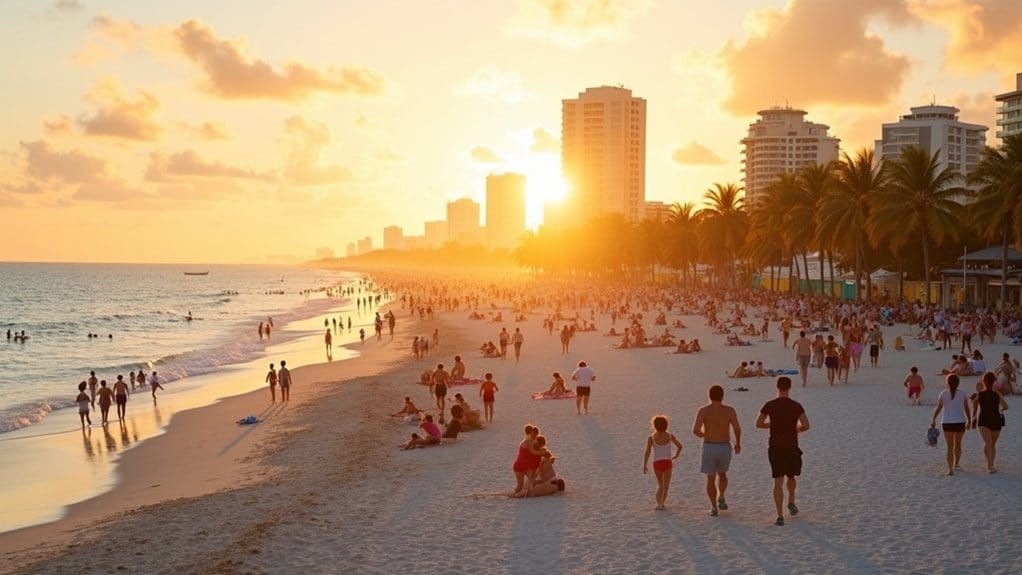
Miami Beach offers a varied safety landscape that visitors should consider before planning their trip. Generally, the beaches in Miami are safe for tourists during the day, but it’s important to be aware of increased property crime risks, especially in popular tourist areas.
If you’re asking, “Is South Beach Miami safe?” it’s worth noting that theft and pickpocketing tend to rise around hotspots like Ocean Drive and Lincoln Road, where crowds gather.
While violent crime is uncommon against visitors, it’s advisable to steer clear of neighborhoods like Liberty City and Little Haiti after dark.
Most visitors find that Miami Beach, with its strong police presence, is quite secure, especially in well-frequented areas.
To enhance your safety, consider these practical tips: secure your valuables, limit the amount of cash you carry, and use ATMs located in well-lit, populated areas.
In summary, Miami Beach attracts millions of visitors each year who enjoy their stay without incident.
Pickpocketing, Theft, and Scams: What Tourists Actually Face
In Miami Beach, pickpockets and thieves often target popular tourist areas like Ocean Drive and Lincoln Road, where it’s easy to take advantage of distracted visitors.
Property crimes tend to rise during peak travel seasons, as the crowds provide cover for theft, purse-snatching, and credit card fraud, especially near ATMs and payment terminals.
By being aware of where these incidents are more likely to occur and recognizing common scams—such as fake ticket sales and vendor overcharging—you can significantly lower your chances of falling victim.
Now, let’s explore some practical tips for staying safe and enjoying your trip without worry.
Common Tourist Crime Hotspots
Tourist Crime Hotspots in Miami Beach
When visiting Miami Beach, it’s important to be aware of areas where tourist crimes are more likely to occur. Certain high-traffic locations tend to attract opportunistic thieves who take advantage of crowded conditions and distracted visitors. Understanding these hotspots can help you stay safe while enjoying your trip.
| Hotspot Location | Primary Risk |
|---|---|
| Ocean Drive | Pickpocketing and credit card fraud occur frequently in busy areas. |
| Lincoln Road | Shoppers may fall victim to theft and fake ticket scams, especially during peak times. |
| Beachfront ATMs | Be cautious of card skimming devices and the risk of cash theft at these locations. |
| Peak Season Areas | Property crimes often rise when tourist numbers increase, making vigilance essential. |
In general, the beaches in Miami are safe, but it’s crucial to remain alert in crowded areas where criminals may operate. To enhance your safety while enjoying Miami Beach, consider the following tips:
- Use Bank-Interior ATMs: Opt for ATMs located inside banks or establishments rather than standalone machines on the street to reduce the risk of card skimming.
- Purchase Tickets from Verified Vendors: Ensure that you buy tickets for events or attractions from reputable sources to avoid scams.
- Minimize Cash: Carry only the cash you need for the day. This limits potential loss if theft does occur.
- Stay Aware in Crowded Spaces: Being mindful of your surroundings can significantly lower your risk of becoming a target.
Avoiding Fraud and Scams
Protecting Yourself from Financial Crimes While Traveling
Traveling can be an exciting experience, but it also comes with certain risks, particularly regarding financial crimes. Credit card skimming and ATM fraud are common in tourist areas, making it essential to prioritize transaction security.
To minimize the risk of fraud, always choose ATMs located inside banks or other secure locations rather than standalone machines on the street. These are typically monitored and offer better protection against skimmers.
Additionally, it’s a good practice to check your bank statements daily for any unauthorized charges. This proactive approach can help you catch potential fraud early.
When it comes to purchasing tickets for attractions, clubs, or tours, stick to official venues or verified websites. Scammers often sell counterfeit tickets, especially in busy tourist spots.
If you’re considering a service, take a moment to read online reviews and verify the business’s credentials before making a payment.
Carrying less cash can also reduce the impact of theft. Opt for credit cards that offer fraud protection instead of debit cards, which provide direct access to your bank account.
This way, if your card information is compromised, your financial exposure is limited.
Stay vigilant when making transactions. Scammers often target distracted tourists, so keep your focus while handling your payment methods.
South Beach vs. North Beach: Which Areas Are Safer?
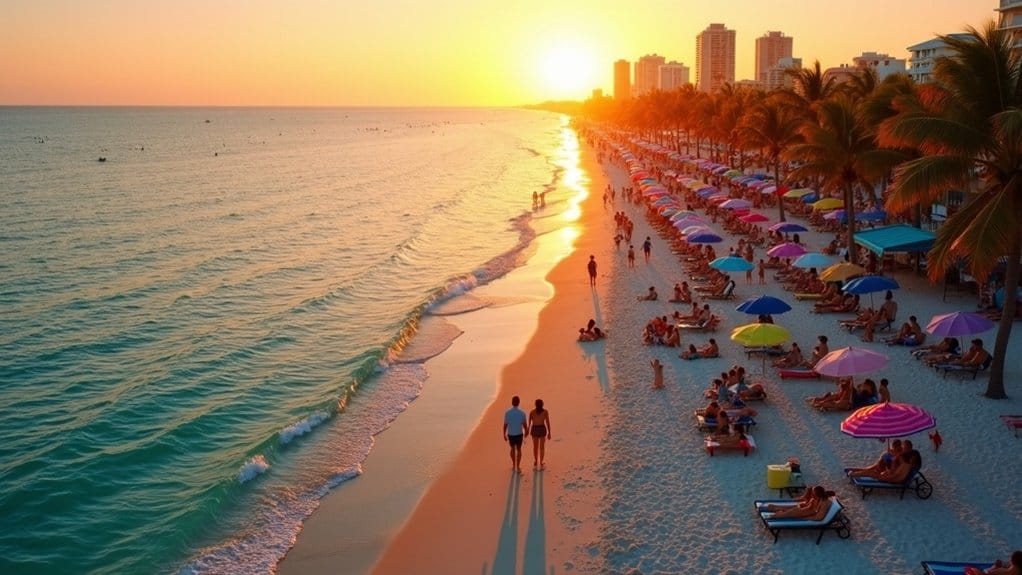
When comparing safety between South Beach and North Beach, the data indicates that North Beach generally provides a safer environment. South Beach tends to have higher crime rates, especially in popular tourist areas like Ocean Drive and Lincoln Road, where property crimes are more common.
Although there’s a strong police presence during the day, safety concerns can arise in quieter areas after dark.
In contrast, North Beach is known for its more relaxed atmosphere and lower crime statistics, making it a suitable choice for families and solo travelers who prioritize safety. While South Beach offers a vibrant nightlife, it’s important to remain aware of your surroundings, particularly at night.
Both areas experience crime spikes during peak travel seasons. If you choose to stay in South Beach, it’s advisable to stay vigilant in crowded tourist spots and avoid isolated areas after dark.
North Beach, while offering consistent safety, may have fewer entertainment options.
Ultimately, understanding the safety dynamics of South Beach and North Beach can help you make an informed decision tailored to your preferences and needs.
Staying Safe After Dark in Miami Beach
When night falls in Miami Beach, your safety comes down to three key factors: where you are, how you get around, and what you keep an eye on.
It’s clear that well-lit, busy areas are much safer than dimly lit streets, and using licensed rideshare services can help you feel more secure during late-night travels.
Plus, it’s important to stay vigilant about your belongings and drinks, as nightlife spots can be hotspots for theft and drink tampering.
As you enjoy the vibrant Miami Beach scene, keeping these safety tips in mind can help ensure a more enjoyable night out.
Well-Lit Areas Matter Most
Well-Lit Areas Matter Most in Miami Beach
When navigating Miami Beach after dark, it’s essential to prioritize well-lit areas for your safety. Here are some important tips to keep in mind:
- Stick to Ocean Drive and Collins Avenue. These streets are well-illuminated and bustling with activity. The bright storefronts and high foot traffic not only enhance your experience but also serve as natural deterrents to potential safety concerns.
- Avoid shortcuts through dark alleys or residential side streets. While these routes may seem like time-savers, they often lack adequate lighting and visibility. Choosing main roads reduces your risk and keeps you in safer environments.
- Select well-lit parking areas and ride pickup locations. Opt for spots near active businesses where lighting is ample. This not only helps you feel more secure but also makes it easier to find your vehicle or rideshare.
- Stay vigilant near Biscayne Bay and Downtown Miami. Lighting in these areas can be inconsistent, so it’s wise to remain aware of your surroundings. If you notice poorly lit sections, consider adjusting your route.
By consciously choosing routes with good street lighting, you significantly lower your risk while enjoying all that Miami Beach has to offer.
Licensed Transportation After Hours
Licensed Transportation After Hours in Miami Beach
When the nightlife in Miami Beach comes to a close, choosing the right transportation is essential for your safety. It’s important to utilize licensed rideshare services or taxis, as these options are regulated and provide a level of accountability.
Unlicensed drivers may impersonate legitimate services and pose risks to tourists, so always verify the license plate and driver information before getting into a vehicle.
To minimize wait times, especially during busy hours, consider planning your transportation in advance. While you wait for your ride, stay in well-lit, populated areas near main roads.
Avoid walking through dimly lit neighborhoods, as this can increase your risk of encountering opportunistic crime.
Pre-booking your ride is a smart strategy, especially if you’re tired or have been drinking. This way, you won’t have to search for transportation when you might be more vulnerable.
Additionally, keeping your phone charged is crucial; share your trip details with a friend or family member for added peace of mind.
Secure Belongings and Drinks
Keeping Your Belongings and Drinks Secure in Miami Beach
In Miami Beach‘s vibrant nightlife, drink tampering is a notable safety concern. To ensure a safe and enjoyable experience, it’s important to adopt proactive measures while out at bars and clubs.
Here are some essential strategies to protect your drinks and belongings:
- Order Directly from Bartenders: Always request your drinks directly from the bartender and watch them prepare your beverage. Avoid accepting drinks from strangers, as you can’t guarantee their safety.
- Secure Your Personal Items: Keep your belongings close to you. Instead of leaving bags, phones, or wallets on tables or bars, consider using a crossbody bag or keeping items in your pockets. This helps prevent theft while you enjoy your night out.
- Travel with Friends: When you go out, stick with a group. Having friends around not only enhances your experience but also allows everyone to keep an eye on each other’s drinks and belongings in bustling venues.
- Be Cautious with Bills: Always review your bill carefully when it’s time to pay. This helps you identify any potential overcharging scams and ensures you’re only paying for what you ordered.
By implementing these protective measures, you can significantly reduce your risk while enjoying the lively atmosphere of Miami Beach.
Stay aware and make informed choices to ensure a fun and safe night out.
Rip Currents, Sunburn, and Wildlife: Physical Beach Dangers
Miami Beach is a popular destination, attracting millions of visitors each year with its beautiful waters and sunny weather. However, it’s important to be aware of the physical dangers that come with enjoying the beach.
Rip Currents are a significant hazard, accounting for over 80% of lifeguard rescues. If you find yourself caught in one, the best course of action is to swim parallel to the shore until you’re free from the current’s pull.
To enhance your safety, always choose beaches that have lifeguard stations on duty.
Sunburn is another risk, as UV radiation can reflect off both water and sand, increasing your chances of getting burned—even on overcast days. To protect your skin, apply sunscreen frequently and avoid direct sunlight between 11 a.m. and 3 p.m., when UV rays are strongest.
Marine Wildlife can also pose risks while swimming or wading. Creatures like jellyfish can cause painful stings, so it’s wise to check for any posted warnings before entering the water.
Additionally, shuffling your feet as you walk in the shallow areas can help prevent accidental encounters with hidden marine life.
Hurricane Season: What to Know From June Through November

Understanding Hurricane Season in Miami Beach
Miami Beach experiences hurricane season from June 1 to November 30, with the highest likelihood of storms occurring in August, September, and October. It’s crucial to stay informed during these months by regularly checking local weather forecasts and government alerts.
Preparation is Key
Being prepared can significantly reduce your risk during severe weather. Here are some essential steps:
- Create an Emergency Kit: Your kit should include enough water, non-perishable food, flashlights, and extra batteries. This ensures you have the necessary supplies during potential power outages or disruptions in services.
- Know Your Evacuation Routes: Familiarize yourself with evacuation routes, especially if you live in flood-prone areas. This knowledge can save valuable time in an emergency.
- Stay Updated on Local Advisories: Pay attention to local advisories regarding beach closures and safety protocols. Following instructions from authorities helps ensure your safety.
- Monitor Weather Developments: Use reliable sources, such as the National Hurricane Center and Miami Beach government notifications, to stay updated on storm developments.
During severe weather, beach access may be restricted, and mandatory evacuation orders may be issued if conditions worsen. Understanding these protocols ahead of time will help you respond effectively and avoid being caught off guard.
Staying informed and prepared can make a significant difference in your safety during hurricane season. Make sure to take these steps seriously to protect yourself and your loved ones.
What to Do if Something Goes Wrong in Miami Beach
What to Do if Something Goes Wrong in Miami Beach
Even with careful planning for hurricane season, unexpected situations can occur during your visit to Miami Beach. If you experience theft or any crime, it’s important to contact the Miami Beach Police Department right away. They’ve a strong presence in tourist areas, and reporting the incident promptly can help you get assistance quickly.
To protect yourself, keep copies of your passport and ID in a secure place separate from the originals.
In the event of a medical emergency, dial 911 or head to the nearest urgent care facility. It’s also wise to consider travel insurance that covers medical expenses; this can provide peace of mind during your trip.
Before you start exploring, familiarize yourself with the locations of nearby hospitals and police stations, and note local emergency numbers.
During natural disasters, staying informed is crucial. Keep an eye on local news and adhere to evacuation routes provided by authorities. This is especially important during hurricane season, which runs from June to November.
Being prepared for these scenarios doesn’t mean you expect trouble—it simply means you’re equipped to handle any challenges that may arise.
Is Miami Beach Safe for Families, Solo Travelers, and LGBTQ+ Visitors?

Is Miami Beach Safe for Families, Solo Travelers, and LGBTQ+ Visitors?
Miami Beach is a vibrant destination that caters to a variety of travelers, including families, solo adventurers, and LGBTQ+ visitors. Understanding the safety considerations unique to each group can help you enjoy your stay with confidence.
For Families: Miami Beach is generally a safe destination, especially in popular areas like South Beach and North Beach. These neighborhoods offer a range of family-friendly amenities, including parks and restaurants.
However, it’s important to supervise children closely around water, as the ocean can be unpredictable. Additionally, it’s wise to avoid Ocean Drive late at night due to increased nightlife activity, which may not be suitable for young children.
For Solo Travelers: Safety is a priority for solo travelers in Miami Beach. To ensure a secure experience, consider these tips:
- Stay in well-lit, populated areas, particularly at night.
- Keep personal belongings secure to prevent pickpocketing.
- Avoid isolated spots after dark.
- Use rideshare services for convenient and safe transportation during late hours.
By following these precautions, solo travelers can navigate Miami Beach with greater peace of mind.
For LGBTQ+ Visitors: Miami Beach is renowned for its inclusivity and welcoming atmosphere for LGBTQ+ travelers. Areas like Ocean Drive are home to numerous LGBTQ+-friendly establishments, making it easy to find community and support.
The city also hosts significant events, such as Miami Beach Pride, which celebrate diversity and acceptance. Visitors can enjoy their time here without major safety concerns, thanks to the overall positive environment.