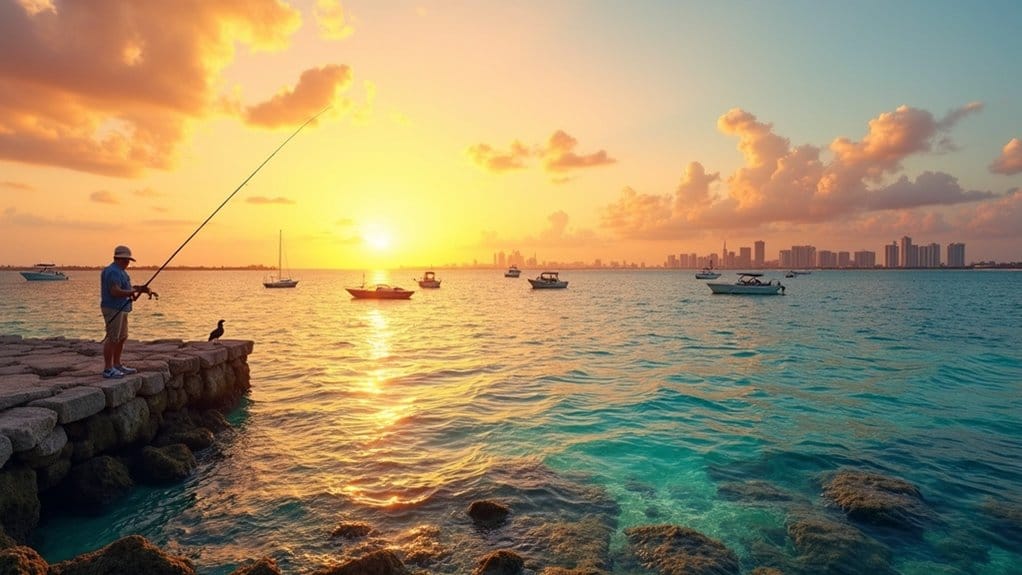
Are you wondering where to cast your line in Miami’s vibrant waters? Whether you’re a seasoned angler or just starting out, understanding the local fishing landscape can make all the difference in your experience. Miami offers diverse fishing opportunities, from freshwater canals teeming with Peacock Bass to the exciting flats of Biscayne Bay, where Snook and Tarpon thrive. And let’s not forget the offshore adventures, where Sailfish and Snapper await. Knowing where to go and what techniques work best is key to a successful day on the water. Curious about the top spots and tips from locals? Read on to discover more!
What’s Biting in Fall: Miami’s Seasonal Species and Patterns
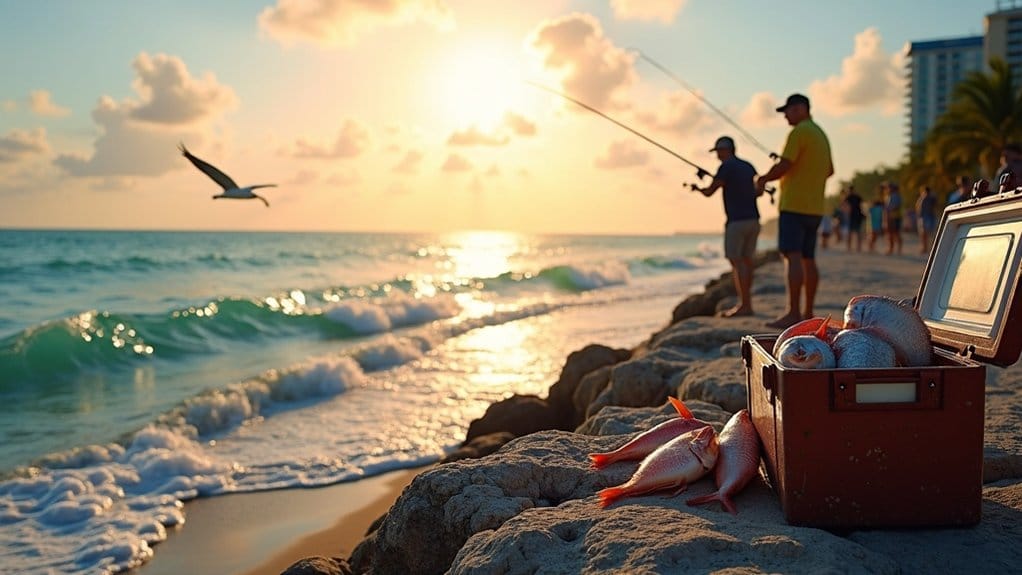
As temperatures in Miami drop below 80 degrees, the local fish populations become more active, entering one of their most productive feeding periods of the year. This seasonal change brings species such as Tarpon, Snook, and Permit to popular fishing spots like Government Cut and the Julia Tuttle Causeway, especially after dark.
These locations are favored by local anglers and are great places to target these species.
Inshore, you’ll find Snook and Tarpon actively hunting Mullet along the Intracoastal Waterway and MacArthur Causeway during dawn and dusk. These times are particularly effective for fishing, as the fish are more likely to be feeding.
If you venture offshore, the Gulf Stream draws Sailfish and Mahi Mahi to depths of 100 to 200 feet, making this a prime area for anglers looking for bigger catches.
Don’t forget about freshwater options; locations like Snapper Creek and Tamiami Canal offer great opportunities to catch Peacock Bass and Catfish, which remain active throughout the cooler months.
The combination of lower temperatures and strong tidal movements often triggers feeding frenzies among local fish species.
To maximize your fishing experience in Miami during the fall, it’s essential to plan your trips around these key patterns and times. This approach won’t only improve your chances of a successful outing but also deepen your understanding of Miami’s vibrant fishing ecosystem.
Top Shore and Pier Spots for Snapper, Jacks, and Tarpon
If you’re looking for great shore fishing in Miami, some of the best spots are at bridges with strong tidal flow and pier lights that attract baitfish.
For example, Government Cut’s deep channels are ideal for targeting tarpon and jacks, especially during outgoing tides.
Meanwhile, the clarifyd areas around Key Biscayne Bridge offer excellent ambush spots for snapper, jacks, and tarpon after dark.
If you prefer to keep things simple, Miami Beach piers and the accessible shorelines at Crandon Park are reliable choices for catching snapper without the hassle of launching a boat.
Now that you have some solid options for shore fishing, let’s dive into the best techniques for targeting these species effectively.
Prime Bridge Fishing Locations
Prime Bridge Fishing Locations
When it comes to fishing in Miami, the Julia Tuttle Causeway and MacArthur Causeway stand out for their impressive nighttime action. These bridges are particularly effective due to their lighting, which attracts a variety of baitfish. As a result, anglers often find success targeting species like tarpon and snook.
For optimal results, focus on the shadow lines created by the bridge lights. Snook tend to position themselves in these dark areas, waiting for an opportunity to strike. This technique can significantly increase your chances of a successful catch.
The Key Biscayne Bridge offers a different experience, providing excellent fishing opportunities during the day and night. While it’s a great spot for targeting snapper and jacks, it’s also a solid alternative when tarpon aren’t actively running.
Beach and Jetty Access
For a rewarding fishing experience, consider visiting the Rickenbacker Causeway after sunset. The area becomes vibrant as lights clarify the water, attracting species like tarpon and jacks that hunt in these well-lit zones. This is a prime time for anglers looking to catch these active fish.
Additionally, Biscayne National Park’s jetties offer excellent opportunities for those willing to be patient. The jetties are known for their quality snapper populations, making them a favorite spot among local fishermen.
The thriving marine life in this region is essential for successful fishing, so understanding the best times and techniques can greatly increase your chances of a good catch.
Biscayne Bay Kayak Fishing: Flats, Channels, and Structure
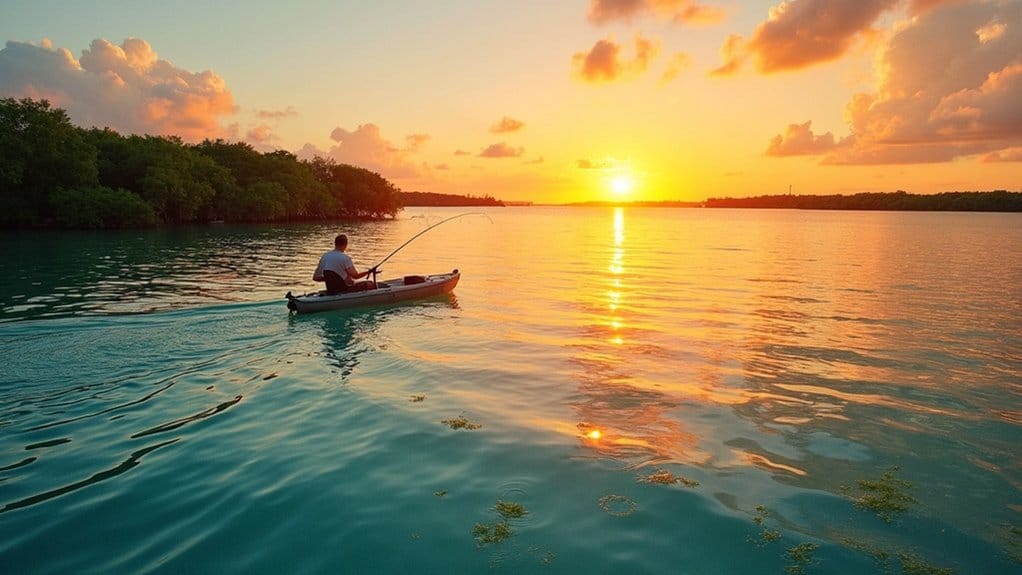
Biscayne Bay offers a unique environment for kayak fishing, combining shallow flats, deep channels, and varied structures that appeal to anglers. This area is ideal for targeting some of Miami’s most sought-after gamefish, including Snook, Tarpon, and Permit, all while avoiding the heavy boat traffic typically found in the region.
High-Percentage Fishing Areas
- Mangrove Shorelines: Focus on the roots of mangroves, particularly during moving tides. This is when ambush predators actively hunt baitfish, making it an excellent time to cast your line.
- Grass Flats: Pay attention to the transitions where turtle grass meets sandy bottoms. These shifts often attract fish that patrol the area for food.
- Channel Edges: Look for deeper cuts that connect the flats, particularly during tide changes. Fish tend to move into these areas as they seek shelter and food.
- Reef and Wreck Perimeters: These structures often hold concentrations of bait, drawing in larger fish. Circling around these areas can yield productive fishing opportunities.
For the best results, plan your fishing trips for dawn and dusk, when fish are most active.
Additionally, it’s essential to have a Florida fishing license and to adhere to species-specific regulations, as these guidelines help confirm sustainable fishing practices for future generations.
Fall Tarpon, Snook, and Permit: Best Inshore Flats
Fall brings a significant shift in Miami’s inshore flats, making it an ideal time for anglers to pursue Tarpon, Snook, and Permit. As water temperatures begin to drop, these species congregate around key areas like Government Cut and the Intracoastal Waterway.
Key Locations and Techniques:
- Government Cut: This area is known for both Tarpon and Permit. A highly effective technique here is using live mullet on the bottom. This approach mimics natural bait, increasing your chances of success.
- Julia Tuttle Causeway: Particularly after dark, this site becomes a hotspot for Snook and Tarpon. Fishing near the bridge lights can yield impressive results, as these fish are drawn to the clarifyd areas.
- Broad Causeway: This location is ideal for targeting all three species—Tarpon, Snook, and Permit—especially using fly fishing techniques. The shallow waters provide excellent conditions for this method.
To maximize your fishing experience, consider heading out early in the morning or late in the evening when fish are most actively feeding.
The grass flats of Biscayne Bay are rich with baitfish, making them attractive spots for larger predators. Using live shrimp can be particularly effective in these areas.
Reef and Wreck Fishing Sites Off Miami Beach
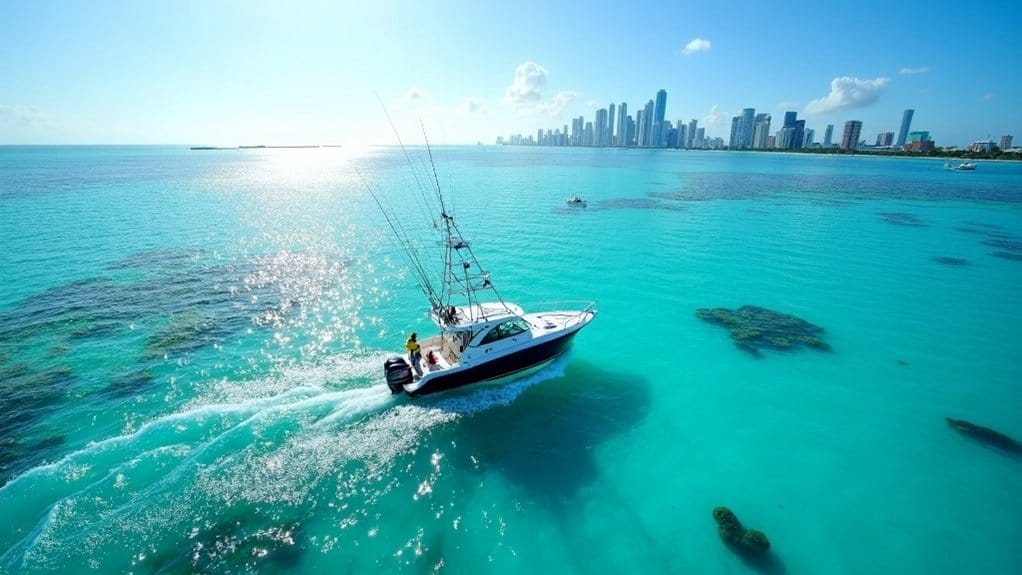
Reef and Wreck Fishing Sites Off Miami Beach
Analyzing the waters beyond Miami Beach reveals an extensive network of artificial reefs and sunken wrecks, making it one of the prime fishing destinations in South Florida. These structures are essential for attracting significant fish populations, including Grouper, Snapper, and Amberjack, particularly in depths ranging from 100 to 200 feet.
The Gulf Stream plays a crucial role here, improving fishing conditions and increasing the likelihood of a good catch.
Here are some key fishing sites that local anglers frequently target:
- O.L. Bodenhamer Wreck: This wreck is well-known for its abundance of Grouper and Snapper. Anglers often find aggressive Barracuda patrolling the area, adding excitement to the fishing experience.
- Bache Shoal Reef: This versatile location supports both bottom fishing and spearfishing. Its varied underwater landscape makes it an excellent site for exploration, allowing anglers to discover different fishing techniques and species.
- Liberty Ship: This site is particularly renowned for attracting Sailfish and Swordfish during their peak migration periods. Anglers seeking these trophy fish will often find success here, especially during the right seasons.
- Star Trek Reef: Another popular spot for billfish, Star Trek Reef consistently produces Sailfish and Swordfish catches. The seasonal patterns here make it a reliable destination for anglers looking to land these impressive species.
For anyone looking to dive into the world of reef and wreck fishing off Miami Beach, understanding these key sites is essential. Each location offers unique opportunities and challenges, making them valuable for both novice and experienced anglers.
Offshore Fishing Grounds: Sailfish and Marlin Migration Routes
From November to April, Miami offers some of the best opportunities for catching trophy fish like Sailfish and Marlin as they migrate through the Gulf Stream.
The underwater drop-offs just a few miles offshore serve as natural spots where these fish gather, often in depths of 100-200 feet, following large schools of baitfish that the current brings in.
Local charter captains are well-versed in these migration patterns and can help you get right into the action during peak feeding times, particularly when cold fronts push the baitfish closer to the temperature breaks.
As we look into the best fishing practices and techniques for targeting these species, it’s essential to consider the gear and strategies that can increase your experience on the water.
Prime Migration Season Timing
Prime Migration Season Timing for Billfish in Miami****
Miami’s offshore waters are known for their vibrant billfish populations, which migrate during specific seasons. Understanding these migration patterns is essential for anglers looking to optimize their fishing experiences.
Sailfish Season (November-April)
During the cooler months, from November to April, Sailfish move closer to shore as water temperatures decrease. Anglers should focus on depths of 100-200 feet along the edge of the Gulf Stream, where these fish are actively feeding.
This is an ideal time to target Sailfish, as their numbers increase in the region.
Marlin Season (May-September)
From May to September, Blue and White Marlin become prominent in Miami’s offshore waters. The warmer temperatures during this period attract these species, making it an excellent time for fishing.
Late spring marks a critical transition when the migration of Marlin begins. Anglers should plan their trips accordingly to take advantage of this peak season.
Structure is Key Year-Round
Regardless of the season, both Sailfish and Marlin are often found around reefs and wrecks, where baitfish congregate.
These underwater structures serve as vital feeding grounds. Anglers should concentrate their efforts in these areas to increase their chances of success.
Advanced Techniques for Success
To maximize your fishing experience during migration periods, consider using kite fishing setups or trolling live baits.
These techniques have proven to be more effective than traditional methods when targeting billfish. Using the right equipment and strategies can significantly increase your catch rate.
In summary, understanding the prime migration timings and employing effective fishing techniques can greatly improve your chances of successfully catching billfish in Miami.
Whether you’re targeting Sailfish in the winter or Marlin in the summer, being informed and prepared will lead to a more rewarding fishing experience.
Gulf Stream Highway Patterns
Gulf Stream Highway Patterns: A Guide for Anglers
About twenty miles off the coast of Miami, the Gulf Stream acts as a vital pathway for species like Sailfish and Marlin. Understanding the patterns of this current can significantly boost your fishing experience.
The most productive areas are where the water depth shifts from 100 to 200 feet. In these zones, the current’s edge gathers baitfish, creating concentrated feeding areas that attract larger game fish.
For optimal results, target these drop-offs between November and April when warmer waters encourage the heaviest migrations of fish. Sailfish tend to roam the eastern boundary of the Gulf Stream, making kite fishing an effective method for catching them. This technique allows your bait to stay at the right depth while providing an attractive presentation for the fish.
Blue and White Marlin can be found slightly deeper, also pursuing the same bait schools. To maximize your chances of success, plan your trips for dawn or dusk, as these times typically see the highest feeding activity.
While you’re out on the water, keep an eye out for temperature breaks and current seams. These areas often serve as highways for trophy fish traveling through Florida’s offshore waters.
By positioning yourself strategically in these locations, you improve your chances of intercepting both Sailfish and Marlin.
Trophy Species Target Depths
Trophy Species Target Depths in Miami’s Offshore Waters****
When fishing for trophy species like sailfish and marlin off the coast of Miami, understanding where to position your boat is crucial. These species are often found in waters that are surprisingly close to shore, which makes Miami a sought-after destination for anglers.
Optimal Depths for Trophy Fish:
1. 100-200 Feet Deep: This depth range is ideal for targeting sailfish and marlin, particularly just a few miles off Miami Beach.
These fish are often concentrated along the Gulf Stream, where currents create favorable conditions for feeding.
2. Steep Drop-offs: Blue marlin are attracted to areas with significant depth changes.
These steep drop-offs along the coastline can be hotspots for encounters with this species, as the dramatic shifts in depth often provide rich feeding opportunities.
3. Seasonal Considerations: The best time to fish for sailfish in Miami is from November through April.
During this period, anglers can expect to find the highest concentrations of sailfish as they migrate through the area.
4. Fishing Techniques: To effectively target these species, consider using kite fishing techniques.
This method takes advantage of prevailing winds to keep your bait suspended at the surface, where sailfish and marlin are actively feeding.
Miami Canal Fishing: Peacock Bass and Freshwater Hotspots
Miami’s freshwater canal system offers excellent fishing opportunities, especially for those targeting Peacock Bass. While many anglers focus on saltwater fishing, the canals in this region boast some of Florida’s most exciting gamefish. Snapper Creek and Tamiami Canal are particularly known for their Peacock Bass populations, which are renowned for their aggressive feeding behavior.
| Location | Target Species | Peak Season |
|---|---|---|
| Snapper Creek | Peacock Bass | Fall months |
| Tamiami Canal | Peacock Bass | Fall months |
| Blue Lagoon | Peacock & Largemouth Bass | Year-round |
When fishing for Peacock Bass, focus on areas with dense structure and vegetation. These environments provide cover for the fish, allowing them to ambush their prey effectively. The fall months are especially productive, as Peacock Bass become more territorial and are more likely to strike at anything that resembles a threat.
Before heading out, assure you have a valid freshwater fishing license and familiarize yourself with the current catch limits. While these fishing spots are well-known, understanding the right timing and techniques can set you apart from less experienced anglers. By applying these insights, you can improve your chances of a successful fishing trip in Miami’s canals.
Night Fishing Under Bridges and Lighted Docks
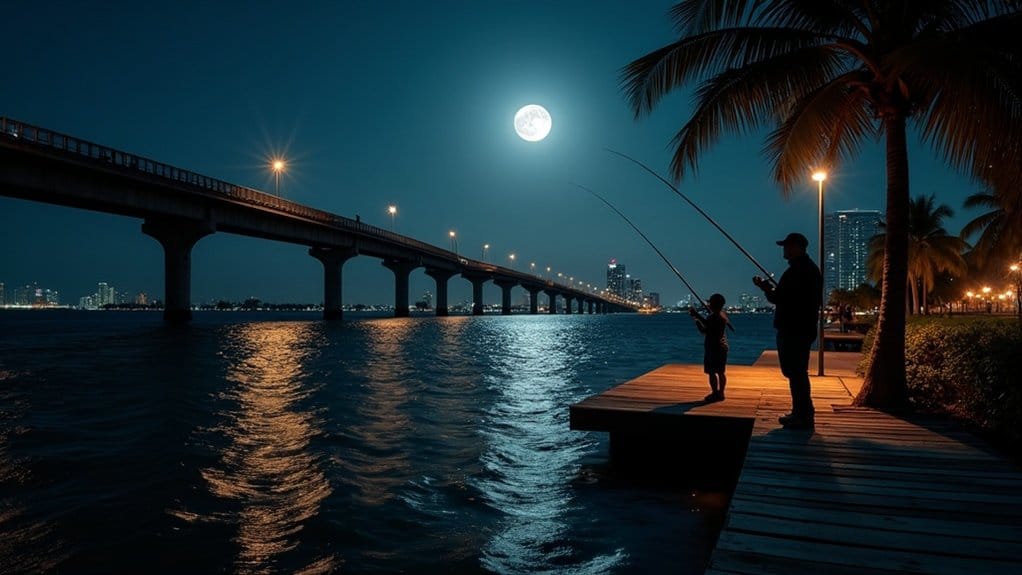
Once you’ve look intod Miami’s productive canal systems during the day, you’ll find that the city’s bridges and lighted docks become prime fishing spots at night. The artificial lights create areas of shadow where baitfish gather, drawing in larger predators that feed in these zones.
Prime Night Fishing Locations and Techniques:
- Government Cut – Focus on the deep channels during outgoing tides. This area is known for Snook and Jacks, which often position themselves along current breaks, making it an ideal spot for a successful catch.
- Bridge Shadow Lines – Targeting the areas where darkness meets light can be very effective. Tarpon and Snook are often found here, as they use the contrast to ambush baitfish that become disoriented in the transition zone.
- Lighted Dock Perimeters – Live bait is particularly effective around structures at lighted docks. Here, you can find Mangrove Snapper and Redfish actively feeding in the clarifyd areas, so make sure to cast your bait close to these spots.
- Glow Lures – When live bait isn’t available, using phosphorescent jigs and plugs can be a great alternative. These lures are designed to attract predators in low visibility, making them an excellent choice for night fishing.
Best Times to Fish Miami: Tides, Moon Phases, and Weather Windows
Timing your fishing trips in Miami around the tides can really boost your chances of catching fish. Both incoming and outgoing tides often lead to increased feeding activity, so it’s a good idea to plan your outings accordingly.
You’ll also find that moon phases affect the behavior of predators like Snook and Tarpon; for example, full moons can bring them into the shallows for some great nighttime fishing.
When you combine favorable tides with overcast skies and the early morning or late evening hours, you set yourself up for a successful day on the water.
Now that we’ve covered the best times to fish, let’s go deeper into into the specific techniques that can help you make the most of these conditions.
Tidal Patterns and Currents
Understanding Miami’s tidal movements is essential for successful fishing in South Florida. By mastering these patterns, you can significantly increase your chances of locating feeding fish.
Key Tidal Strategies for Miami:
- Target Outgoing Tides: Fish often position themselves in channels and cuts during outgoing tides. As baitfish are swept toward open water, this creates ideal opportunities for anglers.
- Focus on Tide Changes: The hour before and after slack tide is critical. Fish are particularly active during this time as they respond to the changing currents, which can lead to exciting catches.
- Study Biscayne Bay’s Flush: When the tide goes out, it concentrates baitfish in areas like Government Cut. This concentration can lead to feeding frenzies, making it a prime spot for fishing.
- Monitor Current Speed: Pay attention to current conditions. Moderate flows are generally ideal for fishing, while excessive currents can scatter baitfish and make it more challenging to catch them.
To maximize your fishing experience, check NOAA’s tide charts daily and plan your trips around these tidal movements.
Understanding these patterns won’t only improve your fishing skills but also make your time on the water more productive.
Moon Phase Influences
The moon phase plays a significant role in fishing conditions, particularly in Miami. While tides are crucial for water movement, the moon phase directly influences how actively gamefish like snook and tarpon feed.
During a full moon, the increased light increases visibility in the flats and backcountry, which can lead to heightened feeding activity among predators. For optimal fishing results, aim to be on the water during the two hours before and after the peak full moon. This period often coincides with a feeding frenzy, making it a prime time for anglers.
Conversely, new moons create darker conditions. These nights often attract snook and tarpon to dock lights and bridge pilings, where they can ambush unsuspecting baitfish. Planning your fishing trips within three days of the new moon can yield excellent results as fish are more active during this time.
To maximize your chances of success, consider aligning your fishing outings with major tidal swings. When a spring tide occurs alongside a full or new moon, you’re likely to experience some of the best fishing conditions Miami has to offer.
Additionally, calm weather can further improve your fishing experience, leading to more productive outings.
Understanding the relationship between moon phases and fish behavior can significantly improve your fishing success. By timing your trips and being mindful of these environmental factors, you can make the most of your time on the water.
Optimal Weather Conditions
Optimal Weather Conditions for Fishing in Miami
When planning a fishing trip in Miami, understanding optimal weather conditions is crucial for a successful outing. Here are key factors to consider:
1. Wind Speed: Aim for days with wind speeds under 10 mph. Gentle winds create calmer waters, which help you spot fish behaviors more easily.
This calm allows for more natural bait presentation, increasing your chances of a catch.
2. Cloud Cover: Overcast skies can boost your fishing experience. The reduced glare on the water makes fish less cautious in shallow areas.
On cloudy days, fish are more likely to venture into locations they’d typically avoid under bright sunlight.
3. Temperature Drops: Seasonal changes, particularly during fall, can significantly impact fish activity. Cooler morning temperatures lead to increased feeding behavior, as fish become more active when water temperatures drop from the highs of summer.
4. Barometric Pressure: Monitoring Barometric Pressure is essential. Aim for stable or gradually falling pressure.
Rapid drops, often preceding storms, can cause fish to shut down. In contrast, steady pressure encourages active feeding, making it an ideal time for fishing.
To maximize your fishing success, check weather forecasts the night before your trip.
Adjust your launch time based on these conditions to assure you’re out on the water during the most favorable times.
Do Miami Charters Provide Licenses? (And When You Need Your Own)
When it comes to fishing in Miami, understanding whether charters provide licenses is essential. Most fishing charters in Miami include the fishing license in the overall trip cost. This means you can board the boat and start fishing without needing to stop at a tackle shop beforehand. Your captain’s license covers all passengers, and the package typically includes bait, tackle, and professional guidance from experienced crew members.
However, if you plan to fish from the shore, launch a kayak, or check out freshwater spots on your own, you’ll need to obtain your own fishing license. You can easily purchase a license through the Florida Fish and Wildlife Conservation Commission’s website or visit a local tackle shop, which takes just a few minutes.
It’s also crucial to stay informed about catch limits and regulations for the species you intend to target. These rules can vary significantly depending on whether you’re fishing inshore, offshore, or in freshwater areas.
Being knowledgeable about these regulations not only helps you stay compliant but also supports conservation efforts.