
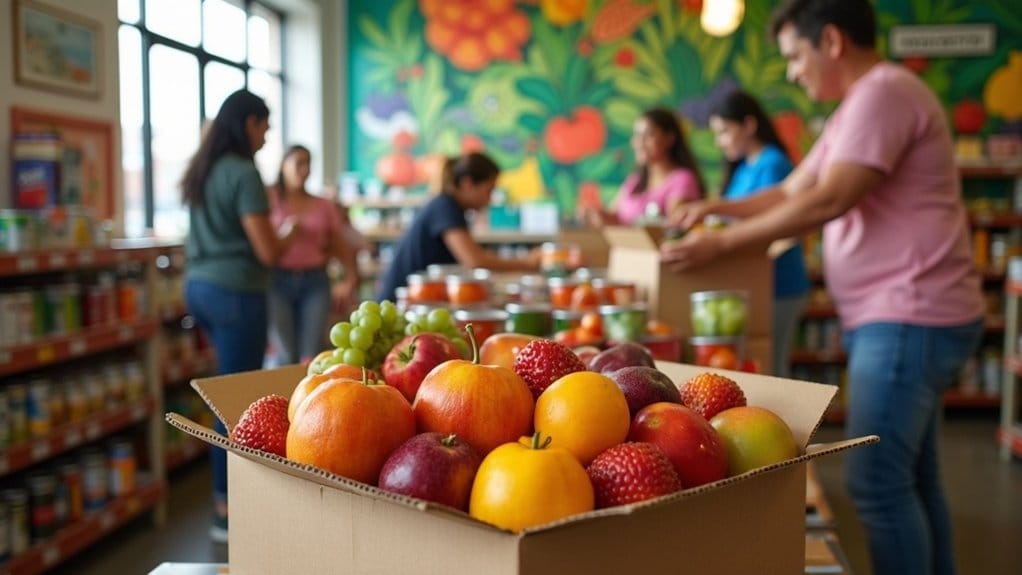
Are you looking for ways to make a positive impact in your community? Donating food is a meaningful way to help those in need, and there are several organizations in Miami that can use your support. Whether you have non-perishable items or fresh produce, your contributions can make a significant difference in the lives of individuals and families facing food insecurity.
Understanding where and how to donate can be a bit overwhelming, but it’s essential to know that there are local resources ready to accept your donations. This not only helps provide meals but also strengthens a sense of community and compassion among residents. Curious about where to start? There are a few key organizations that focus on helping those in Miami-Dade and surrounding areas. Keep reading to discover the best places to donate and how you can get involved.
Major Food Banks and Organizations Accepting Donations in Miami
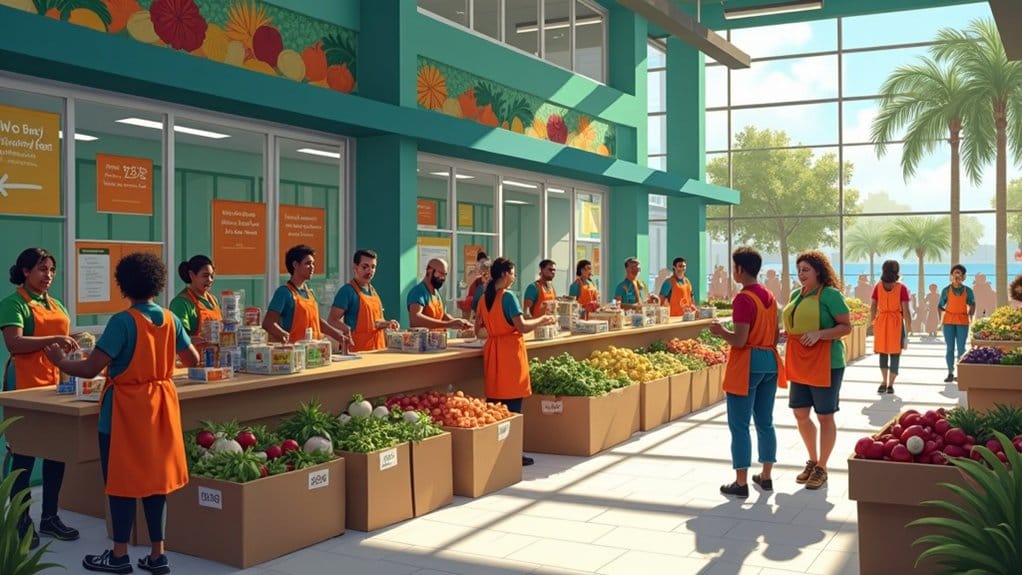
Miami has a robust network of food banks and organizations dedicated to combating hunger and supporting food-insecure populations. Each of these food banks operates in different areas and uses various distribution methods to meet the needs of their communities.
Feeding South Florida is a key player in this network, distributing food across Broward, Miami-Dade, Monroe, and Palm Beach counties. They work in partnership with local agencies to address food insecurity, particularly for the over 800,000 children in the region who lack reliable access to nutritious meals.
In North Miami, the NoMi Food Pantry serves residents facing food insecurity, which affects approximately 19.2% of the local population. This pantry collaborates with various local organizations to make certain that those in need receive essential food supplies.
For students at the University of Miami, the Canes Community Food Pantry was established in 2021 to support those experiencing food insecurity within the student body. This initiative aims to alleviate hunger among students and promote well-being on campus.
Additionally, the Harry Chapin Food Bank operates across five counties in Southwest Florida. By partnering with community organizations, they provide crucial assistance to families who require help, making sure that more individuals have access to the food they need.
These organizations play an essential role in addressing hunger in Miami and surrounding areas, demonstrating the importance of community support and collaboration in the fight against food insecurity.
Types of Food and Items Accepted by Miami Food Banks
Miami food banks play a crucial role in supporting individuals and families facing food insecurity in the community. They accept a variety of donations, with a strong focus on non-perishable items that form the backbone of their inventory. Essential staples include canned goods, dry pasta, rice, and cereal, which provide vital nourishment to those in need.
In addition to non-perishables, Miami food banks also encourage donations of fresh produce. However, it’s important to make sure that any fruits or vegetables donated are in good condition and within their expiration dates to comply with nutritional guidelines.
Some high-priority items that are always in demand include:
- Baby essentials: Donations of baby formula, baby food, and diapers are crucial for families with young children who are experiencing food insecurity.
- Personal care products: Toiletries and hygiene items contribute to overall well-being, addressing needs that go beyond just food.
- Monetary contributions: Cash donations allow food banks to purchase items in bulk, providing flexibility to meet specific community needs more effectively.
When considering a donation, it’s essential to check that all packaged items are unopened and haven’t expired. Your contributions directly benefit local families, and thoughtful donations can make a significant difference in their lives.
Engaging with Miami food banks not only helps address immediate needs but also encourages a supportive community environment.
Drop-Off Locations and Hours Across Miami-Dade County
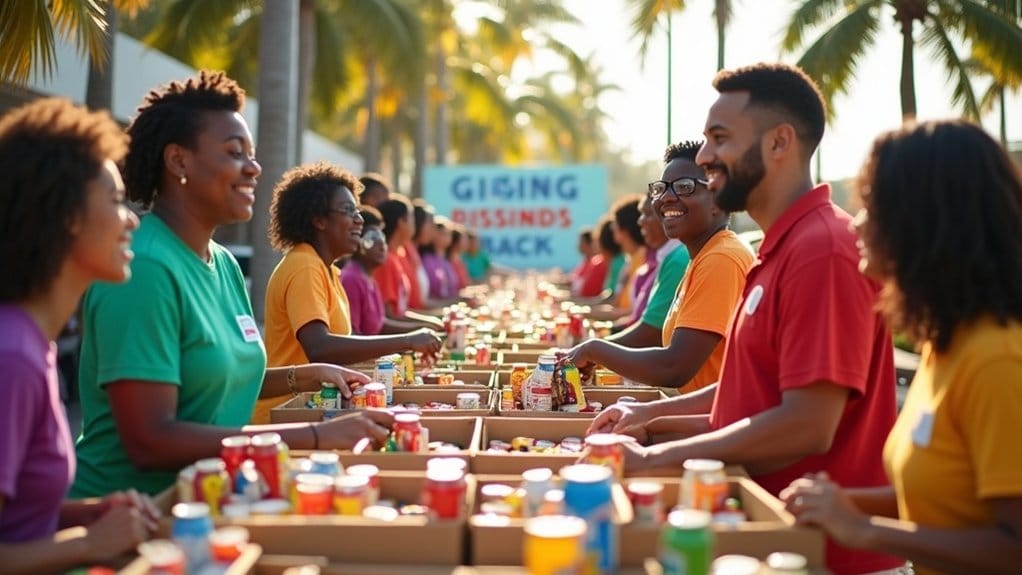
Miami-Dade County offers a variety of convenient drop-off locations for food donations, making it easier for community members to contribute to those in need.
Feeding South Florida operates several sites across Miami-Dade, as well as Broward, Monroe, and Palm Beach counties, making certain that you can find a donation point close to your home or workplace.
The NoMi Food Pantry in North Miami is another reliable option for food donations, accepting contributions during their regular operating hours. This consistency allows community members to participate in helping others without much hassle.
In addition to these permanent facilities, local churches and organizations often organize food drives, providing even more opportunities for donations.
When donating, consider bringing non-perishable items like canned goods and microwaveable meals. These types of foods are particularly helpful, as they can be prepared quickly and easily by families in need.
Before heading out to donate, it’s a good practice to check the specific hours and locations to assure your contributions reach those who need them most.
How to Organize a Food Drive in Your Community
Organizing a food drive in your community involves some thoughtful planning and collaboration to make it effective.
Start by defining your goals, selecting a convenient collection spot, and setting a timeline before reaching out to potential donors. It’s also helpful to team up with local food pantries, such as NoMi Food Pantry or Canes Community Food Pantry.
This way, you make certain that you’re gathering the right items and that the donations go directly to families who need them.
Once you have your plan in place, you can begin to spread the word and engage your community in this important cause.
Planning Your Food Drive
When planning a food drive that effectively addresses your community’s needs, the first step is to establish clear goals that align with the requirements of local food banks. It’s essential to connect with food banks in Miami to gain insight into their specific needs and capacity for receiving donations. This understanding will help you set measurable targets for the volume of food you aim to collect.
In terms of logistics for your food drive, consider the following key points:
- Strategic Collection Sites: Choose drop-off locations that are easily accessible to the public. High-traffic areas such as schools, workplaces, and community centers are ideal as they encourage more people to participate.
- Defined Collection Timeline: Establish a collection period of 2-3 weeks. It’s important to select dates that don’t coincide with major holidays or community events, as this can affect participation.
- Transportation Coordination: Make sure you have reliable transportation options in place. Organizing volunteers and vehicles to move the collected items to partner organizations is crucial for the smooth operation of your food drive.
Engaging the community is vital for the success of your food drive. Use multiple channels for promotion, such as social media, local newsletters, and in-person outreach. This multi-faceted approach will maximize participation and boost the overall impact of your efforts.
Partnering With Local Pantries
When organizing a food drive, partnering with local pantries is essential for understanding and addressing the unique needs of your community. One effective starting point is to connect with organizations like NoMi Food Pantry, which supports families in North Miami facing food insecurity.
By reaching out to representatives, such as Dr. Heather Stevens at [email protected], you can coordinate the logistics of food distribution and pinpoint the specific needs of the community.
Collaborative efforts within the community can significantly increase the impact of your food drive. Engaging schools, local businesses, and other organizations can help expand your resources and outreach.
With 19.2% of North Miami residents experiencing food insecurity, these partnerships are crucial in creating robust support systems.
To make your food drive more effective, consider creating a grocery list of practical items that recipients can easily prepare. This list may include canned goods, pasta, and microwaveable meals.
Promoting your drive through social media and community bulletin boards can raise awareness and clearly communicate how donations will help alleviate local food insecurity.
Restaurant and Business Food Donation Programs
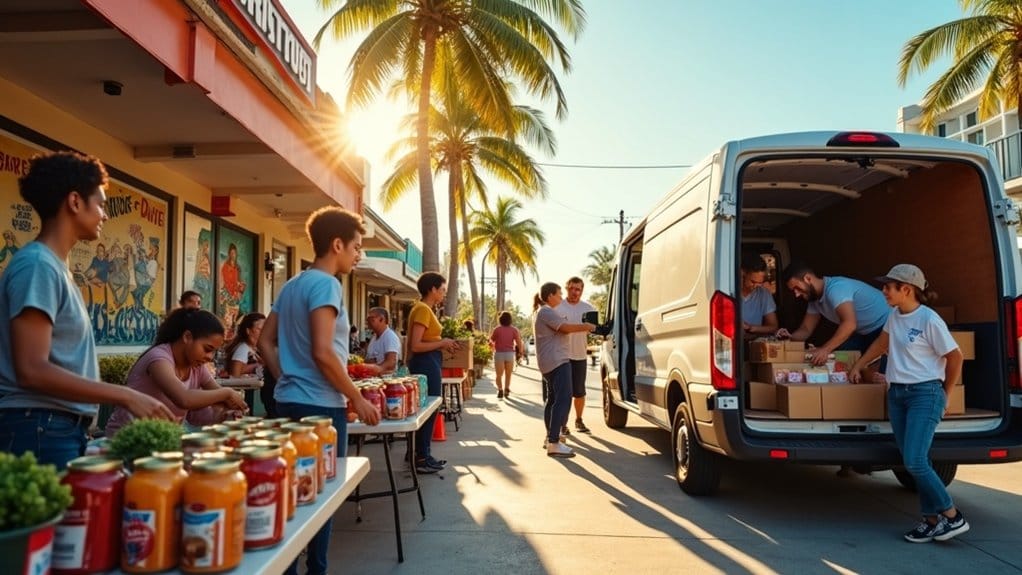
If you run a restaurant or business in Miami, there are great opportunities to support your community by donating surplus food.
By partnering with established food recovery networks, you can easily manage logistics and comply with regulations. Not only do these donation programs provide practical tax benefits, but they also help reduce waste and improve your business’s community image.
Plus, by participating, you’ll be making a positive impact on food insecurity in areas like North Miami.
Now that we’ve covered how food donation can benefit your business and the community, let’s check out some practical steps to get started with these partnerships.
Corporate Donation Partnership Opportunities
In Miami, the restaurant and business sectors produce a considerable amount of food surplus every day. Corporate donation partnerships present an effective way to redirect this surplus food to families in need, particularly those facing hunger.
Organizations such as Feeding South Florida and Harry Chapin Food Bank are actively looking for corporate partners to help address the needs of 2.9 million food-insecure Floridians, including approximately 800,000 children.
Partnering with food donation programs offers several significant benefits:
- Tax Incentives: The Good Samaritan Food Donation Act provides tax deductions for businesses that donate food, which can help reduce overall business expenses while making a meaningful impact in the community.
- Community Engagement: By participating in food donation partnerships, companies can boost their brand reputation and demonstrate genuine corporate social responsibility. Engaging with the community in this way promotes goodwill and can strengthen customer loyalty.
- Environmental Sustainability: Donating surplus food helps divert waste from landfills, contributing to environmental sustainability while simultaneously addressing hunger in the community.
These partnerships also simplify the logistics involved in food donation. Many organizations offer pickup services and manage food safety protocols, allowing businesses to focus on their core operations while making a positive difference.
By choosing to donate surplus food rather than discarding it, companies can invest in both community health and operational efficiency.
Tax Benefits for Businesses
Many businesses in Miami may not realize the significant financial benefits associated with donating surplus food to nonprofit organizations. By contributing surplus food, your business can take advantage of improved tax deductions. The IRS allows you to value donations at fair market price rather than just the cost basis. This means you can deduct the cost of the food plus an additional 15% of its fair market value, which creates a compelling incentive to donate rather than discard.
In addition to federal tax advantages, Florida provides state tax credits and deductions that can further improve your financial position. Donating surplus food not only helps you save on waste disposal costs, but it also demonstrates your commitment to the community. This can improve your business’s reputation among customers who prioritize social responsibility.
Ultimately, donating surplus food isn’t just a charitable act; it makes good business sense. You can reduce operational costs while making a positive impact in your community. By understanding and using these tax benefits, you’ll not only increase your bottom line but also encourage goodwill and strengthen your brand.
Food Recovery Programs Available
Understanding the benefits of food donation not only helps reduce waste but also supports those in need. For businesses in Miami looking to donate surplus food, the city’s food recovery infrastructure simplifies the process.
Key Programs Connecting Donors with Communities:
- Feeding South Florida: This organization facilitates safe food recovery from restaurants and businesses. They manage the logistics of transportation and distribution to various network partners, assuring that your donated food reaches those who need it most.
- Food Rescue Coalition: This program directly connects your establishment with local nonprofits that serve food-insecure residents. By bridging the gap between donors and recipients, they help simplify the donation process.
- City of Miami’s Food Waste Prevention Program: This initiative offers educational resources on proper food donation procedures and compliance with relevant regulations. They provide guidance on what foods can be donated, proper storage practices, and necessary documentation for your records.
These organizations work to make food donation straightforward and efficient. They address common concerns, such as food safety and logistics, allowing you to focus on making a positive impact in your community.
With their support, donating surplus food becomes a manageable task that benefits both your business and those in need.
Tax Deductions and Documentation for Food Donations
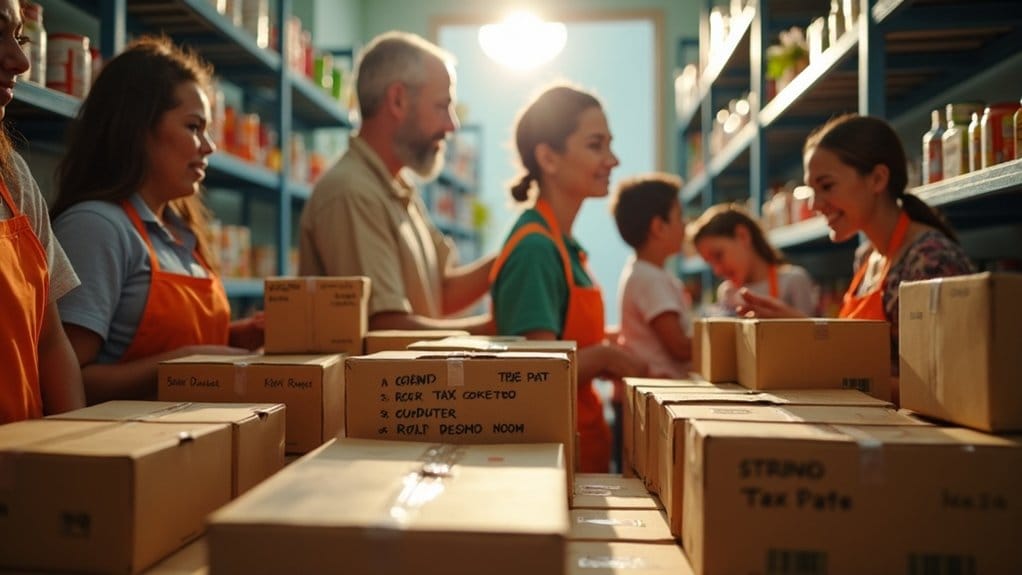
When you donate food to qualified charitable organizations in Miami, you can take advantage of valuable tax deductions that not only benefit you but also support those in need. The amount you can deduct is based on the fair market value of the food items you donate, which is essentially what someone would pay for them on the open market.
If you’re a business, there are even more incentives available. You can receive an additional 15% write-off on the costs of donated food inventory, making it a financially beneficial decision.
To assure you maximize your tax deductions for food donations, it’s important to meet certain documentation requirements. Start by obtaining a written acknowledgment from the charity that includes the date of your contribution and a description of the donated items.
Keeping detailed records and receipts will also help substantiate your claims when it comes time to file your taxes.
These tax deductions make donating food a strategic choice for both your finances and the community. By properly documenting your contributions, you can lower your taxable income while also helping to feed vulnerable populations in Miami through local food banks and pantries.
Engaging in food donation not only fulfills a critical community need but can also provide you with significant tax benefits.
Volunteer Opportunities at Miami Food Organizations
Volunteering with local food organizations is a powerful way to contribute to Miami’s efforts against hunger. Organizations such as NoMi Food Pantry, Feeding South Florida, and Canes Community Food Pantry are actively seeking volunteers to support their essential operations.
By volunteering, you can engage in community outreach and receive training that improves your ability to make a meaningful impact.
Key volunteer activities often include:
- Sorting and Packing Food: Volunteers help sort and pack food items that will be distributed to families experiencing food insecurity. This crucial task make certains that those in need receive nutritious meals.
- Supporting Food Drives: Volunteers play a vital role in organizing and collecting community donations during food drives. Your efforts help make certain that donations are managed effectively and reach those who need them most.
- Assisting with Awareness Events: Many organizations host events aimed at raising awareness about hunger and food insecurity in the community. Volunteers help facilitate these events, which educate the public and encourage community involvement.
These organizations welcome individuals and families of all ages, creating inclusive opportunities for everyone to get involved.
Through volunteering, you not only gain valuable experience but also build connections within Miami’s service community. Your active participation directly supports food distribution efforts that benefit local families in need.
If you’re considering volunteering, know that your time and effort can make a significant difference in the lives of others.
Current Urgent Needs and High-Priority Items
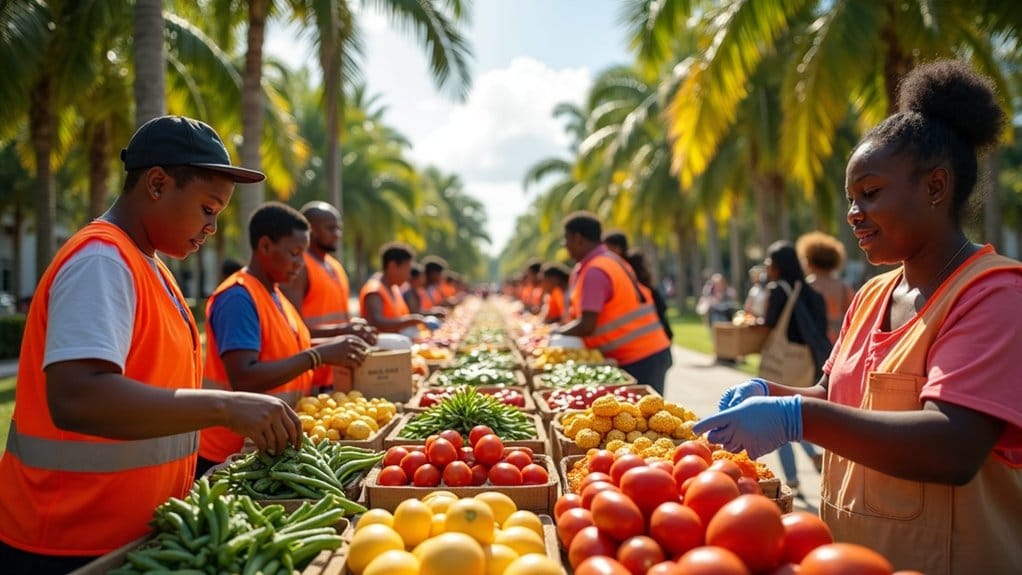
Miami’s food pantries are currently facing significant shortages that require immediate attention. With over 19% of North Miami residents grappling with food insecurity, it’s essential to understand the urgent need for non-perishable staples. Items like canned vegetables, beans, and pasta are in high demand.
When considering donations, prioritize nutritious options such as peanut butter, whole grain cereals, and low-sodium canned goods. These items not only help families maintain balanced diets but also provide them with much-needed sustenance.
Fresh produce is another critical area where food pantries are struggling. Fruits and vegetables are valuable contributions that can make a significant difference in the health and nutrition of those in need.
The demand for food assistance typically increases during holiday seasons, highlighting the importance of consistent donations throughout the year.
In addition to food, personal care items are also essential for supporting families’ overall well-being. Hygiene products and baby supplies can greatly increase the quality of life for those facing tough times.
Additional Ways to Combat Food Insecurity in Miami
While donating food is a vital part of addressing food insecurity in Miami, there are several additional strategies that can improve your impact and contribute to a more sustainable solution.
Consider Expanding Your Contribution Beyond Food Donations:
- Organize targeted food drives that focus on nutritious items. Many food recipients often find themselves purchasing cheaper, unhealthy options due to limited budgets. By providing access to healthier choices, you can help improve the overall nutrition of those in need.
- Volunteer at community education and nutrition workshops. These workshops play a crucial role in teaching families how to prepare healthy meals on a budget. By addressing the root causes of poor dietary choices, you can empower individuals with the knowledge and skills they need to make better food decisions.
- Partner with organizations like Feeding South Florida. Collaborating with established groups can amplify your efforts. You might consider organizing workplace giving campaigns or sponsoring mobile pantry distributions in neighborhoods experiencing acute food scarcity, such as the 19.2% of North Miami residents facing significant food access challenges.
By engaging in these strategic actions, you can contribute to lasting change in Miami.
These efforts not only provide immediate relief but also work towards long-term solutions for the estimated 800,000 food-insecure children in the area. Your involvement can make a real difference in the lives of those struggling with food insecurity.