
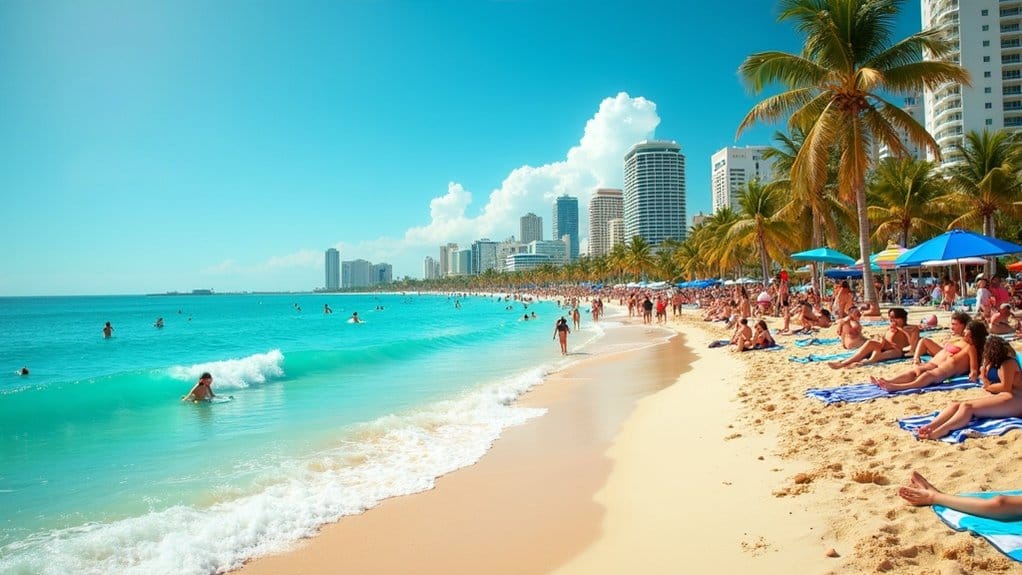
Thinking about Miami for spring break? You’re not alone! Many college students flock to this vibrant city, but timing is everything. Knowing when the crowds will be at their peak can make a huge difference in your experience.
Spring break in Miami is a lively affair, especially in hotspots like South Beach, where the energy is palpable. But if you’re looking for a more laid-back vibe, there are quieter neighborhoods that might catch your interest. Understanding the ebb and flow of visitors can help you plan the perfect getaway. Curious about when to visit? Let’s dive in!
When Is Miami Spring Break in 2026? (Schools and Colleges)
In 2026, Miami’s spring break will occur from March 23 to March 29, aligning with the schedules of many colleges and universities. This week is typically when students take a break for some relaxation and fun in the sun.
If you’re planning to visit Miami during this time, it’s important to note that many Florida schools also have their spring breaks around the same period. This results in a significant influx of visitors, particularly in popular areas like South Beach and Wynwood, where the atmosphere is lively and energetic.
For those looking to avoid the crowds, consider planning your visit for early April. After March, no Florida colleges have spring breaks, leading to a noticeable decrease in foot traffic and a more peaceful environment in the city.
Whether you’re aiming to experience the vibrant spring break festivities or prefer a quieter getaway, understanding the timing and dynamics of Miami’s spring break can help you make informed decisions for your trip.
What Parking, Curfew, and Access Rules Apply During Spring Break?
When planning your visit to Miami during spring break, it’s essential to understand the various parking, curfew, and access rules in place. These regulations are designed to manage the large influx of visitors and assure a safe and enjoyable experience for everyone.
Parking Regulations: During peak days of spring break, parking can become quite challenging. Entertainment district garages may charge flat rates ranging from $40 to $100, and street parking typically costs between $4 and $15 per hour.
It’s wise to arrive early or consider alternative transportation options to avoid high parking fees.
Access Limitations: Vehicle access to Ocean Drive is restricted, allowing entry only from the northernmost streets, with Fifth Street serving as the primary exit point. This helps control traffic flow in busy areas and improves pedestrian safety.
Security Measures: At beach entrances, security checkpoints will check for prohibited items such as coolers and glass containers. Be sure to leave these at home to avoid any issues.
Curfew Information: Contrary to some misconceptions, there’s no midnight curfew on the beaches. They remain open past 6 PM, giving you ample time to enjoy the ocean and nightlife.
Enforcement Measures: It’s important to be aware of the hefty $548 towing fee for non-resident parking violations. Additionally, DUI checkpoints will be active on March 13-14 and March 20-21, emphasizing the importance of safe driving during this busy time.
Understanding these parking, curfew, and access rules can help you have a smooth and enjoyable spring break in Miami. By planning ahead and being aware of the regulations, you can focus on making the most of your time in this vibrant city.
When and Where Do Spring Break Crowds Peak in Miami?
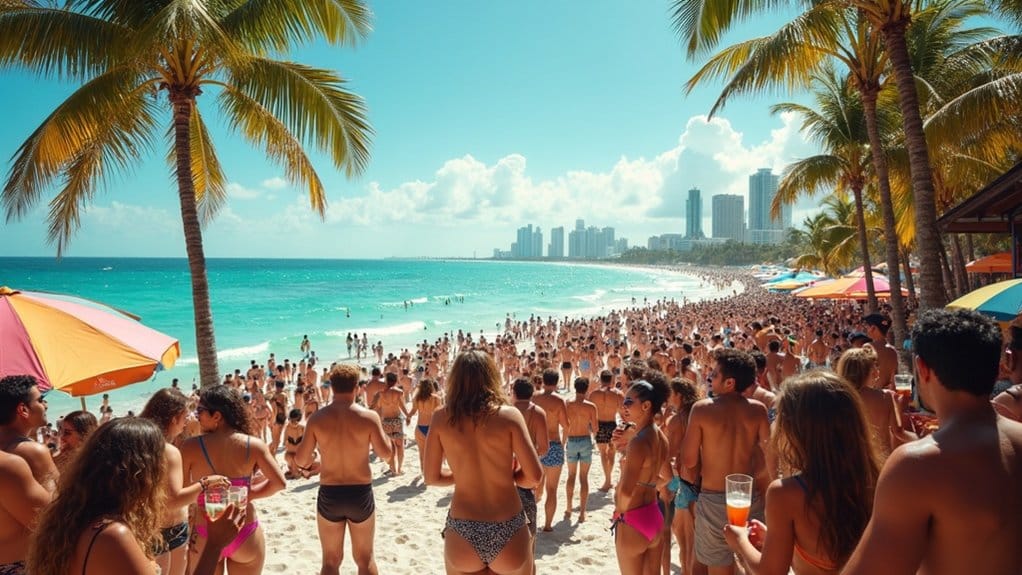
Spring break crowds in Miami typically peak in mid to late March. While you’ll start to notice an increase in visitors as early as the beginning of March, the busiest times are generally from March 12-15 and March 19-22.
During these weekends, South Beach becomes the focal point for spring break activities, with events like the Miami Open and Ultra Music Festival drawing even larger crowds.
As the number of visitors rises, you can expect heightened police presence and traffic enforcement in these popular areas to assure safety and manage the influx of people.
If you’re looking for a quieter experience during this bustling period, consider heading to nearby neighborhoods like Surfside or Key Biscayne. These areas offer more family-friendly environments and serene beaches, allowing you to enjoy your time in Miami away from the larger spring break crowds.
Understanding when and where spring break crowds peak in Miami can help you plan your visit more effectively, whether you’re looking to join in the excitement or find a more relaxed atmosphere.
Which Miami Neighborhoods Stay Quiet During Spring Break?
While South Beach is known for its vibrant spring break scene, several Miami neighborhoods offer a peaceful alternative during this busy season. If you’re looking for a quieter experience, consider Surfside and Bay Harbor Islands. These areas feature family-friendly beaches that maintain a relaxed atmosphere, making them ideal for those wishing to escape the party crowds.
Key Biscayne is another excellent option, with its nature trails and parks providing opportunities for serene outdoor exploration.
North Beach, with its authentic local vibe, also remains relatively calm, allowing visitors to enjoy the beauty of Miami without the noise and chaos commonly associated with spring break.
In Bal Harbour, the focus on luxury shopping and upscale living strengthens a naturally quieter environment, making it a great place to unwind.
Additionally, Coconut Grove offers lush greenery and a tranquil setting, allowing families to enjoy nature while staying far removed from the bustling tourist spots.
These neighborhoods demonstrate that you can enjoy Miami’s allure without immersing yourself in the typical spring break frenzy. By choosing the right location, you can experience the city’s beauty in a more peaceful way.
Early March vs. Late March: Which Week Should You Visit?
Choosing between early and late March for your Miami spring break can significantly impact your overall experience.
Early March is often the more peaceful option. During this time, you can enjoy warm, sunny days on less crowded beaches. The evenings are cooler, making it a great opportunity to check out art galleries and design districts without the hassle of large crowds.
In contrast, late March brings a bustling atmosphere, largely due to major events like the Miami Open and the Ultra Music Festival. These events create a vibrant nightlife scene, but they also lead to crowded venues and heavier traffic, which may require some patience.
Ocean Drive, for example, shifts from a calm stroll to a busy thoroughfare almost overnight.
When deciding on your travel dates, consider what you value most. If you prefer a more laid-back experience with easier logistics, early March is likely the better choice.
However, if you’re looking for high-energy events and don’t mind paying a bit more for accommodations and activities, late March can provide an unforgettable experience. Just be sure to book your accommodations well in advance and prepare for higher costs.
Ultimately, your choice between early and late March will depend on your personal preferences and priorities for your Miami spring break.