Are you curious about what gardening challenges or opportunities await you in Miami? Knowing your local climate can make all the difference when it comes to choosing the right plants for your space. Miami has unique conditions that influence which species thrive and which ones might struggle.
Take a moment to consider how the weather impacts your garden—especially those chilly winter nights. Understanding the local planting zones is key to making sure your plants not only survive but flourish. So, what exactly do these zones mean for your gardening plans? Let’s dig deeper into how climate classifications can guide your choices and help you create a vibrant outdoor space.
What Growing Zones Cover Miami?
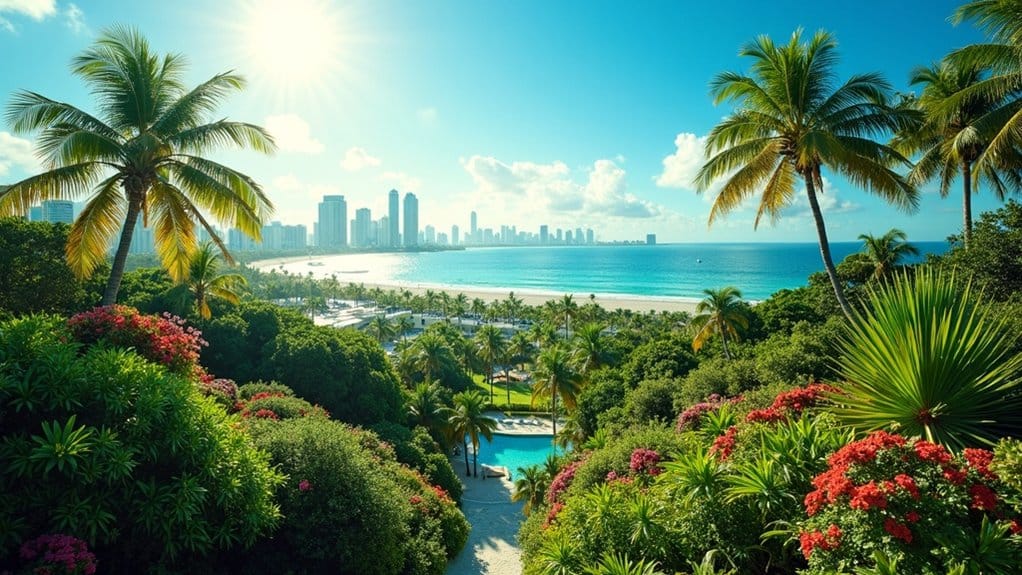
Miami’s growing zones play a vital role in determining which plants can thrive in its subtropical climate. Specifically, Miami falls under USDA Plant Hardiness Zones 10b and 11a. Zone 10b has average minimum winter temperatures ranging from 35°F to 40°F, while Zone 11a experiences slightly warmer temperatures between 40°F and 45°F.
Understanding these zones helps gardeners and landscapers select appropriate plant species based on their temperature tolerances. For instance, in Zone 10b, you can grow plants like Savannah holly and Little Gem magnolia. In contrast, Zone 11a is conducive to vibrant varieties such as bougainvillea and coontie.
Miami’s unique coastal microclimate supports both subtropical and tropical plants, making year-round cultivation of ornamental and fruit-bearing species possible.
While freezing events are rare, they can occur, so it’s important to choose plants that can withstand occasional temperature drops.
How Coastal vs. Inland Location Affects Your Zone
When considering plant hardiness zones in Miami, it’s essential to understand how coastal and inland locations influence your planting choices. The proximity to the ocean creates unique microclimates that affect which USDA zone applies to your specific area.
Miami’s coastal regions typically fall under USDA Zone 11a. In these areas, the ocean provides a moderating effect, keeping minimum winter temperatures between 45°F and 50°F. This consistent warmth allows for a wide variety of tropical plants to flourish.
In contrast, inland locations, such as those in Broward and Palm Beach counties, generally belong to Zone 10b. These areas experience slightly cooler winter temperatures, making them more susceptible to frost, especially during colder snaps. As a result, the plant selection in these regions leans towards subtropical species that can withstand lower temperatures.
Here’s a brief comparison of the two zones:
| Location Factor | Coastal Zone | Inland Zone |
|---|---|---|
| USDA Designation | 11a | 10b |
| Frost Risk | Minimal | Moderate |
| Temperature Range | 45-50°F minimum | Slightly cooler |
| Plant Selection | Tropical species thrive | Subtropical emphasis |
| Ocean Influence | Direct moderation | Reduced buffering |
Assessing your property’s specific location is crucial when selecting plants. If you are in a coastal area, you can confidently choose heat-loving tropical varieties. On the other hand, if you’re further inland, it may be more beneficial to focus on cold-tolerant subtropical plants.
Understanding these differences will help you make informed decisions for successful gardening and landscaping in Miami.
How to Find Your Exact Miami Growing Zone
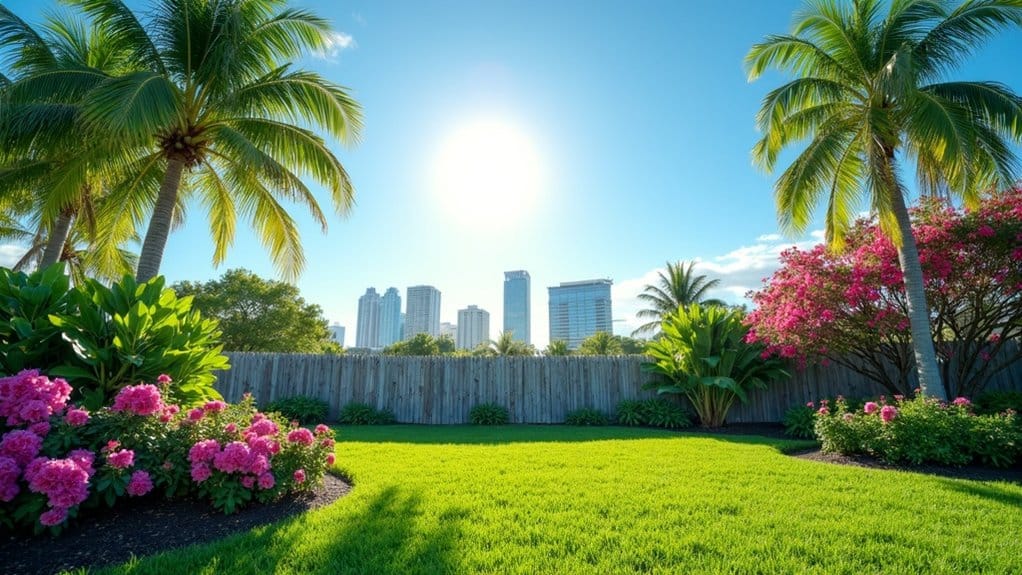
To determine your exact growing zone in Miami, start by accessing the USDA Plant Hardiness Zone Map online. This resource will help you identify whether your property is in Zone 11a (minimum temperatures of 45-50°F) or Zone 10b (minimum temperatures of 40-45°F).
Simply enter your specific address for precise information, as Miami’s growing zones can vary significantly over short distances.
It’s also beneficial to consult local nurseries, which often have insights tailored to specific neighborhoods. They can provide valuable information about microclimates in your area, which can influence temperature and, consequently, the types of plants that thrive in your garden.
Understanding Miami’s frost dates is crucial as well. The average last frost typically occurs in late February, which is relatively rare and allows for a longer growing season compared to many other regions.
This extended season gives you more options for planting.
To make certain accuracy, cross-reference multiple sources when determining your growing zone. This will help you select the right plants that are best suited for your local environment, boosting your gardening success.
Best Plants for Miami’s 10b and 11a Zones
Best Plants for Miami’s 10b and 11a Zones
Gardening in Miami’s zones 10b and 11a offers unique opportunities due to the region’s mild winter temperatures, ranging from 35°F to 50°F. This climate allows for a diverse range of plants that thrive year-round. Here’s a guide to selecting the best plant species for your landscape, organized by their functional categories.
Shrub Layer
For the shrub layer, consider Savannah holly, Gold Mound duranta, and firebush. These plants not only provide structure to your garden but also add seasonal color and interest.
Savannah holly, for instance, is evergreen and produces red berries that attract birds, while firebush blooms vibrant orange-red flowers that can attract pollinators.
Groundcover Systems
In the groundcover category, Asiatic jasmine, creeping juniper, and purslane are excellent choices. These plants help control erosion while offering an attractive, lush appearance.
Asiatic jasmine, with its dense foliage, can effectively suppress weeds, while purslane is a low-maintenance option that thrives in Miami’s heat.
Canopy Specimens
When it comes to canopy plants, Little Gem magnolia, yellow trumpet tree, and mulberry stand out. These trees not only create vertical interest in your landscape but also provide shade and help regulate temperature.
The Little Gem magnolia, for example, has fragrant flowers and glossy leaves, making it a beautiful addition to any yard.
Specialty Ornamentals
For those looking to add a splash of color, Bougainvillea and passionflower are fantastic ornamental choices. Both thrive in Miami’s humid conditions and produce stunning flowers.
Bougainvillea, with its vibrant bracts, can cover walls and fences, while passionflower offers unique blooms and edible fruit.
Climate Adaptation
All the species mentioned are well-suited to Miami’s subtropical climate, demonstrating resilience and adaptability.
When selecting plants, consider their specific needs, such as sunlight, water, and soil type, to make sure they thrive in your landscape.
How to Use Zone Numbers When Plant Shopping
How to Use Zone Numbers When Plant Shopping in Miami
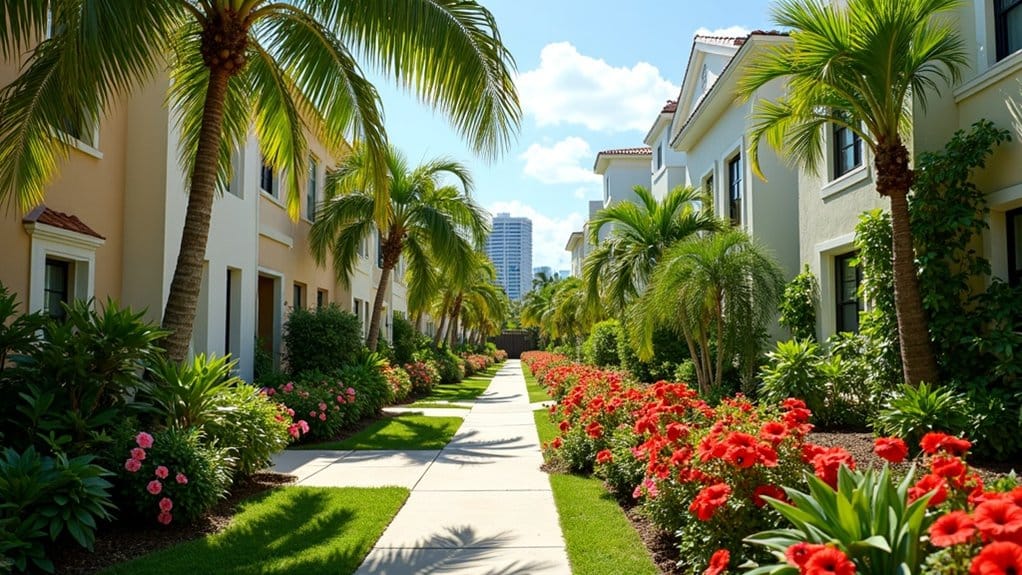
When shopping for plants in Miami, understanding the significance of zone numbers is essential for selecting the right varieties. Zone numbers, found on plant tags, indicate the climate suitability of each plant. For Miami, focus on Zone 11a, which is compatible with the area’s minimum winter temperatures of 45-50°F. Knowing this helps you avoid purchasing plants that may struggle during the rare cold snaps Miami experiences.
Here’s a quick overview of the relevant zones:
| Zone Indicator | Temperature Range | Application in Miami |
|---|---|---|
| Zone 11a | 40-45°F | Ideal for most of the region |
| Zone 10b | 35-40°F | Possible in some areas |
| Coastal vs. Inland | ±5°F variation | Important for microclimate considerations |
When you’re at the nursery, don’t hesitate to consult the staff about plants suitable for Zone 11a. Their expertise can guide you to options that thrive in Miami’s subtropical climate. Remember, coastal areas may have slightly different conditions compared to inland locations, so consider your specific microclimate when making your selections.
Using zone numbers as a guide assures you choose plants that will flourish in your environment, promoting successful gardening and cultivation.