Are you curious about the current water temperature in Miami Beach? If you’re planning a swim, surf, or simply want to enjoy the ocean, knowing the water temperature can be essential to your experience. It can also impact your comfort level and safety while enjoying water activities. Water temperatures can fluctuate daily and change with the seasons, so it’s worth keeping an eye on them. In Miami Beach, the water is generally warm enough for recreational activities most of the year. But just how warm is it right now? Let’s dive into the details!
Current Water Temperature and Real-Time Monitoring
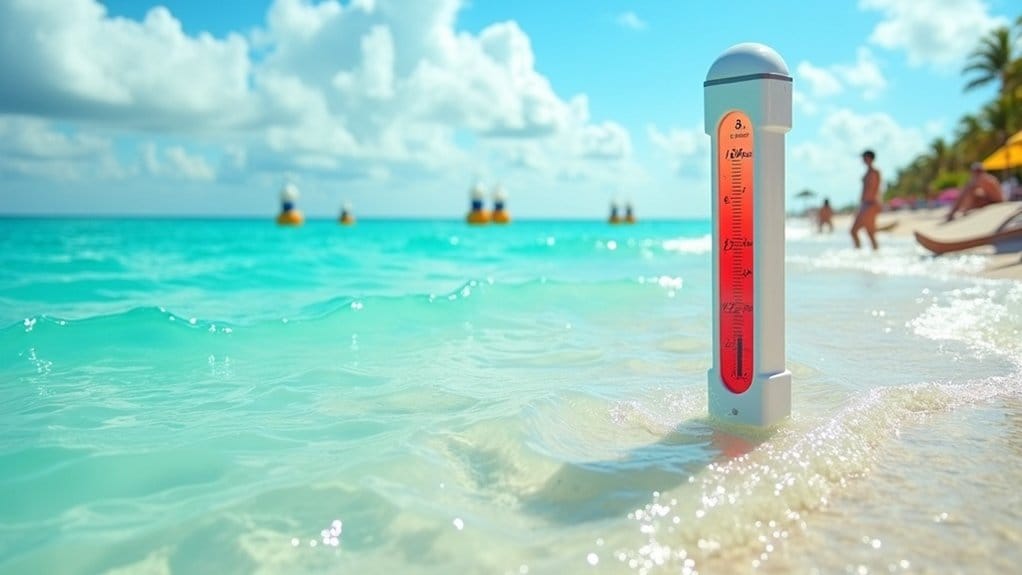
Miami Beach’s current water temperature is 79.7°F (26.5°C), which is ideal for swimming and other water activities. This temperature is slightly lower than yesterday’s reading of 80.2°F, showing a typical daily fluctuation of 0.5°F. Such variations are common and expected in ocean temperatures.
Real-time monitoring systems are in place to continuously track these changes, confirming that swimmers and marine researchers have access to accurate and timely oceanographic data.
The year-round swimming season in Miami Beach is supported by consistently warm water temperatures, which typically remain above the minimum comfortable threshold of 68°F (20°C).
Additionally, the salinity level in the water is recorded at 36.43, surpassing the global ocean average. This higher salinity contributes to the unique characteristics of the region’s waters.
With advanced sensor networks, we can closely observe these thermal dynamics and salinity levels, providing valuable insights for both recreational and scientific purposes.
Seasonal Water Temperature Patterns Throughout the Year
Miami Beach water temperatures exhibit consistent seasonal patterns throughout the year, making it an appealing destination for swimmers and beachgoers.
In winter months, specifically from December to February, water temperatures typically range from 68°F to 82°F, with February being the coldest month, averaging around 76.3°F.
As spring arrives, the water begins to warm, with April showing an average temperature of 78.8°F. This gradual increase continues into summer, where water temperatures reach their peak.
The ocean temperature in Miami can soar between 79°F and 90°F, with August often recording the highest average at 86.7°F.
As fall approaches, the water temperature starts to cool again, but November still maintains a comfortable average of about 80.6°F.
Overall, Miami Beach water temperatures remain above 68°F year-round, making certain favorable conditions for swimming and water activities.
These seasonal variations in water temperature are influenced by various factors, including the Gulf Stream currents and the amount of solar radiation received throughout the year.
Understanding these patterns can help you plan your visit, whether for swimming, surfing, or simply enjoying the beach.
Wetsuit and Swimwear Recommendations by Temperature
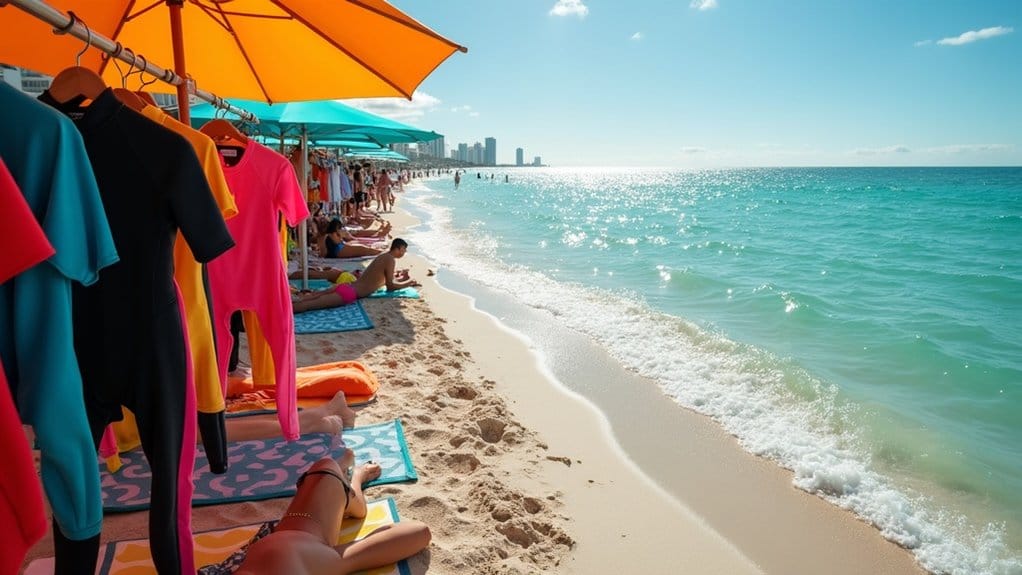
In Miami Beach, the waters are typically warm, ranging between 68°F (20°C) and 90°F (32°C) throughout the year.
For most of the time, standard swimwear like board shorts and a rash vest should keep you comfortable when the water is above 75°F (24°C).
During the cooler winter months, when temperatures dip closer to the lower end, you might want to consider adding a 2mm neoprene shorty or top for extra warmth.
Just remember, your choice of gear should be based on the actual water temperature and wind conditions, as even a slight breeze can lead to increased heat loss, making it feel cooler than it actually is.
Now, let’s check out some recommendations for different temperatures and how to stay comfortable while enjoying your time in the water.
Optimal Gear by Season
When it comes to choosing the right aquatic gear for Miami Beach, it’s essential to consider the local water temperatures throughout the year. Knowing the water temperature at Miami Beach will help you select the most appropriate equipment for your swimming or water sports activities.
During the peak summer months of June to August, water temperatures typically reach between 29-30°C (84-86°F). At this time, you can comfortably wear just a rash vest and board shorts. The warm water makes these lightweight options suitable for both casual swimming and more active water sports.
In the spring months of April and May, the water temperature ranges from 26-29°C (79-84°F). You can continue to use the same gear as in summer. However, if you plan on spending extended periods in the water, you might want to consider a thin shorty wetsuit to provide a bit of extra warmth.
As we transition into fall, from September to November, the water temperature typically drops to between 27°C and 25°C (81-77°F). During these cooler days, it’s advisable to use a light wetsuit for added comfort while swimming.
Winter in Miami Beach, which spans December to February, presents the most significant thermal challenges. Water temperatures can fall to between 20-24°C (68-75°F), making it necessary to wear a 2mm neoprene top or a shorty wetsuit to assure proper thermoregulation while enjoying your time in the water.
It’s worth noting that Miami Beach’s water temperatures rarely drop below 20°C (68°F) throughout the year, allowing for year-round swimming opportunities. By understanding the seasonal temperature changes, you can optimize your aquatic gear choices and improve your overall experience in the water.
Temperature-Based Wetsuit Guide
Choosing the right wetsuit or swimwear for Miami Beach involves understanding both seasonal patterns and specific water temperatures. This knowledge helps you select the most suitable gear for your comfort and safety.
When water temperatures drop below 70°F (21°C), it’s advisable to wear a 2mm neoprene top or a shorty wetsuit. These options provide essential thermal protection against the chill.
As the temperature rises to between 70°F (21°C) and 78°F (26°C), a thin shorty wetsuit can help retain body heat during longer swims or water activities.
For water temperatures above 78°F (26°C), standard swimwear such as rash vests and board shorts typically suffice, offering necessary coverage without added insulation.
However, when temperatures exceed 80°F (27°C), you can often get away with minimal coverage, like bathing suits or board shorts, which keep you comfortable during extended activities.
It’s important to remember that local conditions can impact your experience. For instance, strong winds might increase heat loss, meaning you may need additional neoprene coverage even in warmer waters.
Similarly, river outflows can create cooler pockets of water that differ from the general temperature reading. Always check current conditions to confirm you’re adequately prepared.
How Water Temperature Affects Swimming and Water Activities
Water temperature has a significant impact on your body’s response during swimming and other water activities. For recreational swimming, the ideal water temperature typically falls between 78°F and 84°F (25.6°C to 28.9°C). This range is comfortable for most people and helps to reduce the stress on your body’s thermoregulation system, allowing you to perform better.
For instance, Miami Beach currently has a water temperature of 79.7°F (26.5°C), which is well within this comfortable range. At temperatures above 68°F (20°C), you’ll notice that muscle tension decreases, and your cardiovascular function improves, making your swimming experience more enjoyable and efficient.
However, it’s important to be mindful of higher temperatures as well. During the summer months, when water temperatures can reach up to 90°F (32°C), you can safely stay in the water for longer periods. Yet, be cautious during high-intensity activities, as your core body temperature may rise more quickly.
In contrast, when water temperatures drop to around 68°F (20°C) during the winter, heat loss can accelerate. This is where neoprene wetsuits become essential if you plan to swim for extended periods in cooler waters to help maintain your body temperature.
Additionally, various environmental factors can affect local water temperatures. For example, offshore winds and rainfall can influence thermal conditions, leading to changes in water temperature due to advection (the movement of water) and dilution (mixing with rain).
These shifts can impact your swimming experience, so it’s wise to take them into account when planning your aquatic activities. By understanding how water temperature affects your swimming and water activities, you can make informed decisions that improve your experience in the water, assuring safety and enjoyment.
Factors That Influence Miami Beach Water Temperature
Miami Beach’s water temperature is influenced by a variety of oceanographic and meteorological factors throughout the year. The primary driver of these temperature changes is seasonal solar radiation, which leads to peak water temperatures of 29-30°C (84-86°F) in early August and lower temperatures ranging from 22-24°C (72-75°F) in early February.
Offshore wind patterns also play a significant role, as they can create temporary cooling effects by displacing warm surface waters and bringing in cooler subsurface currents. Additionally, freshwater influx from rainfall and river discharge can introduce cooler, less saline water, further lowering local sea surface temperatures.
The Gulf Stream‘s proximity is another critical factor, helping to maintain an average water temperature of approximately 27°C (81°F) year-round. This consistent warmth supports a variety of aquatic activities, making Miami Beach a popular destination for swimming and other water sports.
Understanding these factors can help you better plan your aquatic activities and enjoy the best conditions Miami Beach has to offer, regardless of the season.
Best Times for Specific Water Sports and Marine Activities
To get the most out of your water sports in Miami Beach, it’s helpful to know the best times for each activity based on local temperatures.
For surfing, the sweet spot is when temperatures hit between 79-90°F (26-32°C) during the summer months. If snorkeling is your thing, you’re in luck because the water stays warm year-round, averaging around 81°F (27°C).
Fishing is also consistent here, as the warmer waters keep the fish active throughout the seasons. By understanding these temperature ranges, you can plan your outings for longer sessions without needing thermal protection, especially since January tends to be cooler, with a minimum of about 68°F (20°C).
Speaking of planning, let’s take a look at some popular water sports and when they shine the most in Miami Beach.
Optimal Surfing Conditions
When planning your surf sessions in Miami Beach, it’s important to understand the optimal surfing conditions. The best thermal window for comfortable surfing typically falls between 79°F and 90°F (26°C to 32°C).
For peak conditions, the months from April to December are ideal, as water temperatures during this period consistently exceed the 68°F (20°C) comfort threshold. Historical data shows that the warmest water temperatures reach around 29-30°C (84-86°F) in August, which is perfect for extended time in the water without needing thermal protection.
While surfing is possible year-round, January and February present slightly cooler conditions around 68°F (20°C), so you might want to consider wearing a wetsuit for added warmth during those months.
The warm water conditions in Miami Beach contribute to a vibrant surf culture, with local breaks performing best during times of favorable swell patterns and the warmest temperatures. This consistent warmth allows surfers to enjoy longer sessions throughout the extended warm season.
Peak Snorkeling Seasons
Miami Beach is known for its excellent snorkeling conditions, particularly from May to October. During this period, sea surface temperatures are consistently warm, ranging between 81°F and 86°F (27°C to 30°C). The peak months, July and August, can even see temperatures nearing 90°F (32°C), making it an ideal time for underwater exploration.
The snorkeling season in Miami Beach offers several advantages:
- Consistent Thermal Conditions: The water temperature remains above 75°F (24°C) from June through September, allowing for comfortable snorkeling experiences.
- Improved Water Clarity: Summer months typically feature clearer water due to lower rainfall, boosting visibility for snorkelers.
- Year-Round Accessibility: While the prime snorkeling conditions are from April to November, many operators offer services throughout the year, assuring access for all.
- Active Marine Life: Warmer waters generally lead to increased activity among marine species, making for a more vibrant snorkeling experience.
For the best snorkeling, aim for mid-summer when warm temperatures and clear visibility converge. This combination creates optimal conditions for observing the diverse marine life that Miami Beach has to offer.
Whether you’re a novice or an experienced snorkeler, understanding these seasonal patterns can help you plan your underwater adventures effectively.
Fishing Temperature Windows
Understanding fishing temperature windows is crucial for successful outings in Miami Beach waters. Fish are more active and willing to bite when water temperatures range from 70°F to 85°F, with peak activity typically occurring between 75°F and 80°F.
Different species have specific temperature preferences: for example, tarpon and snook are most active when temperatures hit the 80°F to 90°F range during the warmer months.
During colder months, particularly when temperatures drop below 68°F, fish exhibit lower metabolic rates, resulting in decreased feeding activity. This means that your chances of catching fish are significantly lower in winter.
The best time to target fish is from spring through early fall, as this period aligns with warmer water temperatures and increased fish activity.
For the best fishing results, consider scheduling your trips during early morning or late afternoon. These times often offer more stable temperatures, leading to more active feeding behavior.