
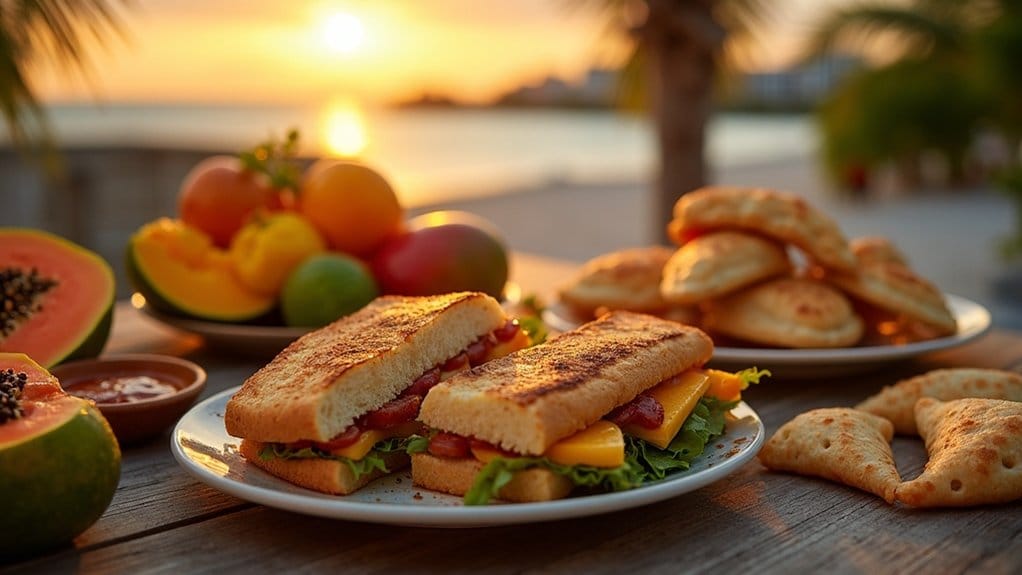
Are you curious about what makes Miami’s culinary scene so unique? With its vibrant mix of cultures, this city offers a delicious array of flavors that reflect its rich history and diverse communities. From savory sandwiches to fresh seafood, the food here tells a story of migration and tradition. But what exactly are the must-try dishes that locals rave about? As you analyze the neighborhoods, you’ll discover iconic eats that capture the essence of Miami’s food culture. Let’s dive into the flavors that define this city.
Cuban Sandwich, Croquetas, and Ropa Vieja: Must-Try Cuban Dishes in Miami
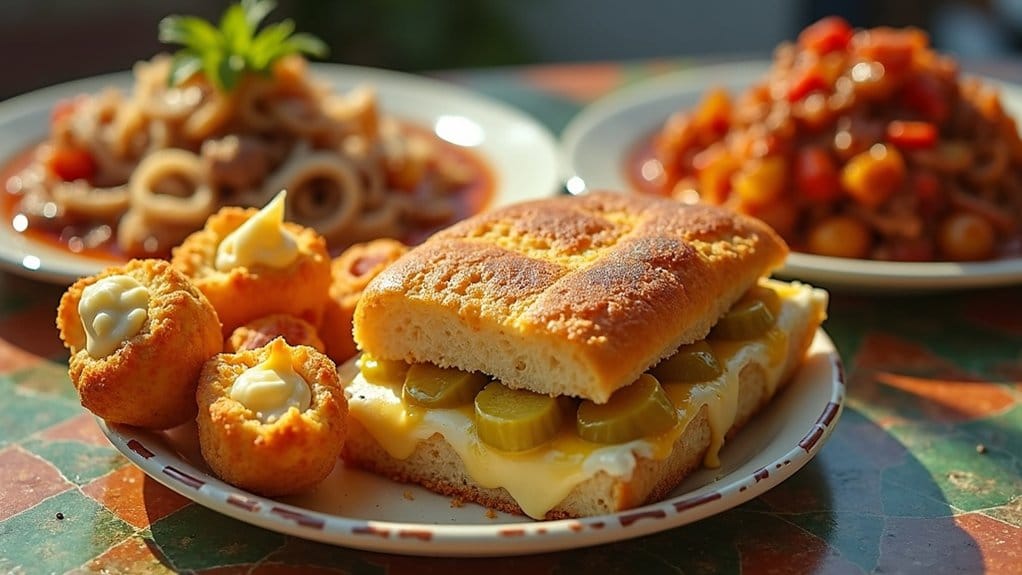
Miami’s Cuban cuisine stands out from other regional American food scenes due to its deep roots in authentic cultural heritage. Rather than being adaptations, the dishes here offer a genuine taste of Cuba.
Three must-try items exemplify this culinary tradition:
- Cuban Sandwich: This iconic sandwich features layers of roast pork, ham, Swiss cheese, pickles, and mustard, all pressed between Cuban bread until it reaches a perfect crispness. It’s a staple that’s both satisfying and delicious.
- Croquetas: These bite-sized treats are made from a béchamel-based filling, which is then encased in a breaded exterior and fried until golden brown. Croquetas are a beloved street food in Miami, showcasing the skill and care that go into their preparation.
- Ropa Vieja: This dish, which translates to “old clothes,” consists of tender, shredded beef stewed with a mix of vegetables. It’s traditionally served with rice and black beans, making it a hearty and flavorful choice that many locals enjoy.
In neighborhoods like Little Havana, restaurants such as Versailles and La Carreta are celebrated for their commitment to traditional recipes.
These establishments provide an authentic experience, allowing you to savor dishes that truly reflect Miami’s rich Cuban heritage. By choosing these iconic dishes, you can appreciate the cultural significance and culinary expertise that define Miami’s Cuban cuisine.
Stone Crab, Fried Snapper, and Fresh Ceviche: Miami’s Signature Seafood
Miami’s coastal location offers a trio of seafood experiences that truly capture its maritime character. First up, we’ve stone crabs, which are in season from October to May and are best enjoyed with a tangy mustard sauce.
Then there’s the crispy fried snapper, often paired with tropical toppings like mango salsa that brighten the dish.
And let’s not forget about fresh ceviche, where citrus-marinated fish brings a taste of the city’s vibrant Latin American influences.
Each of these dishes showcases a different cooking method—whether it’s chilled and cracked, fried to a perfect crisp, or acid-cured—highlighting the diverse bounty of South Florida’s waters.
Knowing when to enjoy seasonal stone crabs, how Miami’s frying style stands out, and which citrus fruits better local ceviche can make your seafood experience much more rewarding.
With that in mind, let’s analyze the broader culinary landscape of Miami.
Stone Crab Season Essentials
Stone Crab Season Essentials
Miami is renowned for its seafood, particularly during the stone crab season, which runs from October 15 to May 1. This period is significant not only for seafood lovers but also for those interested in sustainable fishing practices. Stone crabs are harvested using a method that allows for sustainability: only one claw is removed from each crab, enabling the creature to regenerate its lost appendage. This practice make sures a steady supply of sweet, succulent stone crab meat for years to come.
One of the best places to enjoy this delicacy is at Joe’s Stone Crab, where the crabs are served chilled alongside their famous mustard sauce. This combination has become a classic representation of Miami’s culinary scene.
| Season Dates | October 15 – May 1 |
|---|---|
| Serving Style | Chilled with mustard sauce |
| Sustainability | Single-claw harvest method |
In addition to stone crabs, Miami offers a diverse range of seafood dishes that highlight the city’s culinary expertise. For example, the fried snapper showcases the skill involved in achieving a crispy exterior while keeping the fish tender and flavorful. This dish is often increased with toppings like mango salsa or citrus aioli, adding layers of flavor that reflect Miami’s vibrant food culture.
Another popular dish is fresh ceviche, which embodies the city’s Latin influences. The ceviche features seafood marinated in citrus juices and combined with onions and cilantro, creating a refreshing dish that is both light and packed with flavor.
Miami’s access to fresh seafood make sures that its culinary offerings genuinely represent the region’s maritime heritage. By understanding these key dishes and their preparations, you can fully appreciate what Miami has to offer during stone crab season and beyond.
Miami Style Fried Snapper
Fried snapper is a standout dish in Miami, showcasing the city’s expertise in seafood preparation. Known for its golden-brown exterior and moist, flaky interior, this dish highlights the importance of technique and quality in cooking seafood. The frying method not only achieves a satisfying crispness but also respects the delicate nature of the snapper.
What truly sets Miami-style fried snapper apart are its vibrant accompaniments. A mango salsa adds a sweet contrast to the savory crust of the fish, while a citrus aioli provides a tangy brightness that improves the overall flavor profile. These pairings reflect Miami’s rich Latin American and Caribbean influences, where diverse flavors work together to improve fresh seafood.
Miami’s location gives chefs immediate access to fresh, high-quality seafood, allowing simple dishes like fried snapper to shine. This accessibility transforms everyday meals into memorable experiences, embodying the essence of the city’s culinary scene.
Whether you’re enjoying it at a local restaurant or making it at home, fried snapper is more than just a meal; it’s a taste of Miami’s vibrant culture and culinary heritage.
Fresh Citrus Ceviche Variations
Ceviche is a celebrated seafood dish in Miami, known for its refreshing qualities and vibrant flavors. At its core, ceviche involves marinating raw fish in citrus juices, primarily lime, which initiates a chemical reaction that “cooks” the fish. This process firms the flesh while maintaining its delicate texture.
Typically, local seafood is used, showcasing the region’s rich marine resources. Diced onions and fresh cilantro are common additions, increasing the dish’s aromatic complexity. Many variations of ceviche reflect Miami’s diverse culinary influences. For instance, you might find mango or avocado added for sweetness, or jalapeño for a touch of heat, each ingredient contributing to the dish’s overall balance.
Different restaurants in Miami have unique interpretations of ceviche. Some prioritize a sharper acidity, while others may focus on a harmonious blend of sweet and spicy elements. This variety assures that there’s a ceviche to suit every palate.
Ceviche is particularly well-suited to Miami’s warm climate, making it a popular choice for both appetizers and light entrees. Its preparation not only highlights the use of citrus juice as a flavor increaser but also as a natural preservative, allowing the dish to be enjoyed fresh and safely.
Understanding the nuances of ceviche can deepen your appreciation for this dish. Whether you’re dining out or trying it at home, recognizing its key components and local influences can boost your culinary experience.
Frita, Chicharron, and Pub Subs: Street Eats Locals Actually Crave
Miami’s street food scene is a vibrant reflection of its diverse culinary heritage, with three key staples that stand out: the frita, chicharron, and Publix’s renowned pub subs.
The frita is a unique Cuban-American creation, combining ground beef and chorizo, often topped with crispy shoestring potatoes. Popular spots like El Rey De Las Fritas serve this dish, which has become Miami’s local take on the classic burger. It’s a flavorful option that showcases the city’s cultural fusion.
Chicharron, or crispy pork rinds, adds a satisfying crunch to the mix. These are typically seasoned and served with lime or hot sauce, increasing their flavor. They’re a popular snack in Miami, appealing to both locals and visitors who appreciate their texture and taste.
Publix’s pub subs provide a different yet equally enjoyable experience. These sandwiches are made with fresh-baked bread and filled with high-quality deli meats. They’re practical and satisfying, making them a go-to choice for many Miamians.
These food items are more than just quick bites; they play a significant role in the social fabric of Miami. They reflect the city’s Latin American influences and strengthen community connections.
Whether enjoyed at a local eatery or picked up for a casual gathering, they transform everyday meals into shared experiences that highlight Miami’s unique identity.
Jerk Chicken, Mofongo, and Haitian Griot: Caribbean Dishes That Define Miami
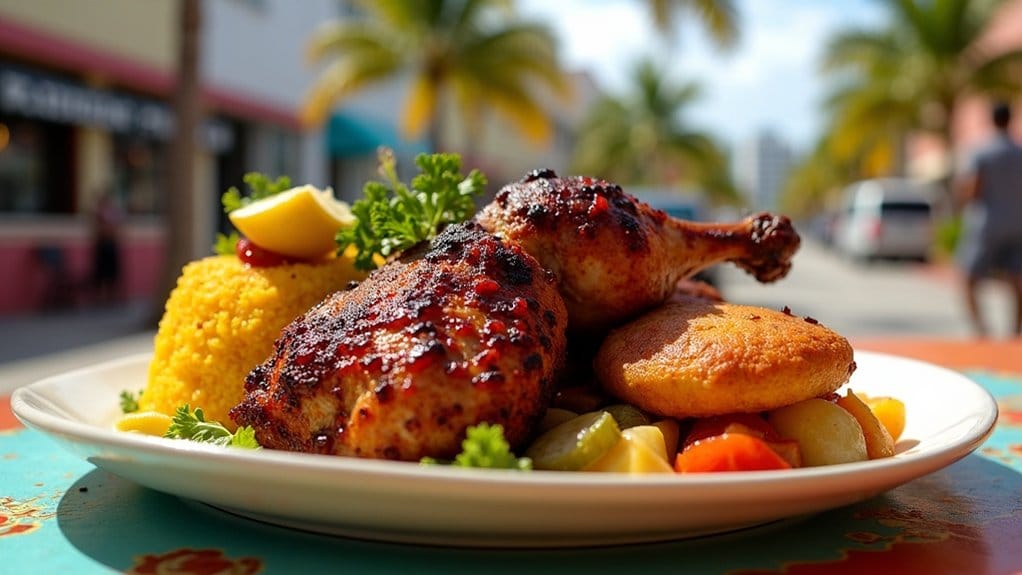
Miami’s Caribbean food scene has its own distinct vibe compared to the city’s Cuban offerings. Dishes like jerk chicken, mofongo, and griot require longer marination times, richer spice blends, and cooking methods that have been passed down through generations.
In neighborhoods where Haitian, Jamaican, and Puerto Rican communities thrive, these foods are staples—not just festival fare. Second-generation immigrants enjoy them daily, keeping the flavors authentic and reminiscent of home cooking.
What truly sets these dishes apart from the more tourist-focused versions are the little details: the right balance of allspice and Scotch bonnet in jerk seasoning, the perfect texture of twice-fried plantains in mofongo, and the precise marinating time needed for griot to achieve that ideal crispy crust.
Speaking of flavors, let’s dive into the history and preparation of these beloved dishes.
Authentic Caribbean Flavor Profiles
Caribbean culinary traditions have significantly shaped Miami’s food scene, particularly through three standout dishes: jerk chicken, mofongo, and Haitian griot. These dishes not only showcase the region’s bold flavors but also highlight key characteristics of Caribbean cuisine that resonate in the city.
Jerk chicken is known for its smoky heat, achieved through a marinade of allspice and scotch bonnet peppers, followed by charcoal grilling. This cooking method increases the dish’s depth, making it a beloved staple.
Mofongo, originating from Puerto Rico, features fried plantains infused with garlic and often includes crispy chicharrón. This combination offers a savory richness that complements various proteins, making it a versatile choice.
Haitian griot stands out for its tangy flavor, derived from citrus-marinated pork shoulder. The marination process not only tenderizes the meat but also infuses it with a bright, zesty profile that increases the dish.
A common thread among these dishes is their use of plantains and a focus on protein-forward preparations, which reflect the resourcefulness of Caribbean cooking.
Miami’s closeness to Caribbean islands, along with its vibrant immigrant communities, assures that these dishes are prepared authentically.
Generational knowledge plays a crucial role in maintaining traditional cooking methods, including bold seasoning, frying techniques, and the use of tropical ingredients. This commitment to authenticity is what makes Miami a key player in America’s Caribbean culinary landscape.
Where Locals Eat Daily
Where Locals Eat Daily
In Miami, local restaurants are vital for preserving Caribbean culinary traditions. These establishments serve as community hubs where families gather and enjoy dishes that reflect their heritage.
Chef Creole in North Miami is known for its Haitian griot, a dish featuring pork shoulder cooked to perfection. The key to a great griot lies in achieving a crispy exterior while keeping the meat tender on the inside.
For those craving Jamaican flavors, Clive’s Cafe is a must-visit. Their jerk chicken is a prime example, showcasing the distinct heat of scotch bonnet peppers and the deep, smoky flavor from pimento wood.
Another popular dish in Miami’s Caribbean food scene is mofongo, a Puerto Rican classic. Mofongo can be prepared in various styles, from garlic-rich versions to those incorporating chicharrón, highlighting the traditional techniques of Puerto Rican cooking.
These local restaurants do more than just serve food; they connect Miami residents to their cultural roots. Many people frequent these spots for the same meals their families have enjoyed for years, illustrating how Caribbean cuisine has transitioned from comfort food for immigrants to beloved staples in the wider community.
Traditional Preparation Methods
Miami’s Caribbean culinary identity is distinctly shaped by three signature dishes, each showcasing unique preparation methods that highlight their authenticity.
Jerk chicken is a prime example, requiring overnight marination in a blend of allspice and Scotch bonnet peppers. This thorough marination is essential for developing the rich flavors that define the dish.
The final step involves wood-fire grilling, which adds a characteristic smoky char that increases the taste.
Mofongo, a beloved dish, calls for careful timing. To prepare it, green plantains are fried until golden and then mashed while still hot with garlic and chicharrón in a traditional pilón.
This method not only confirms a rustic texture but also incorporates the flavors smoothly, making it a comfort food staple.
Haitian griot involves a two-step cooking process. First, pork shoulder is marinated in a citrus-spice blend, which infuses the meat with flavor.
Next, the pork is double-cooked: boiled to tenderness and then fried for a crisp finish. This technique results in a delightful contrast between the crunchy exterior and the tender interior.
These traditional preparation methods are crucial for maintaining the authenticity of these dishes:
- Wood-smoking with pimento wood improves jerk chicken’s aromatic profile, creating a depth of flavor that’s hard to replicate.
- Hand-mashing in traditional mortars is key for mofongo, preserving its original texture and allowing for a more authentic taste.
- Double-frying griot not only achieves the desired crispiness but also assures that the meat remains juicy and flavorful.
- Generational recipes passed down through families play a vital role in maintaining cultural integrity, with precise seasoning ratios that define the authentic taste of these dishes.
Understanding these preparation methods helps appreciate the rich culinary traditions of Miami’s Caribbean cuisine and the expertise involved in creating these beloved dishes.
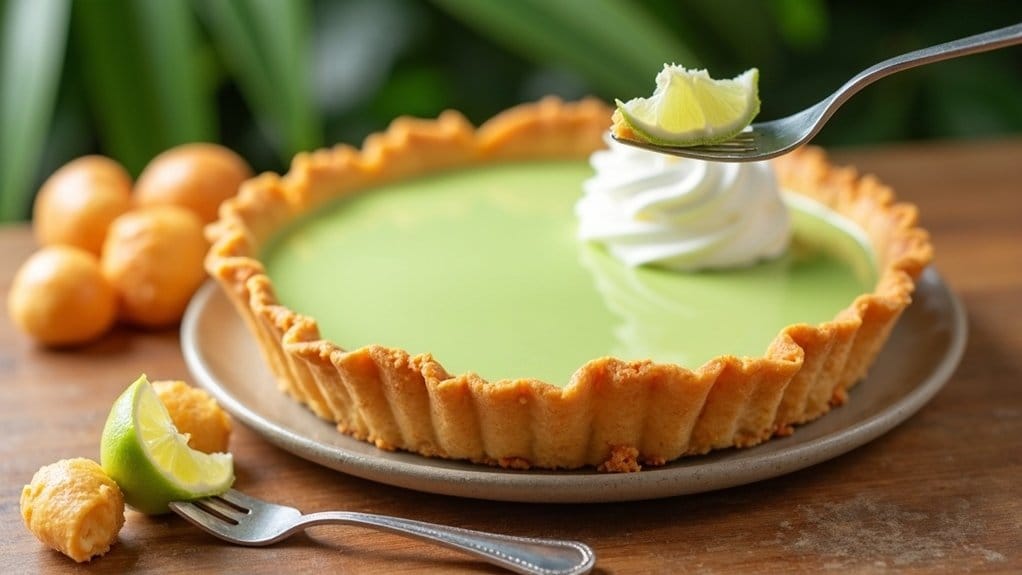
Key Lime Pie and Pastelitos: The Sweet Side of Miami’s Food Scene
| Aspect | Key Lime Pie | Pastelitos |
|---|---|---|
| Cultural Origin | Key Lime Pie has its roots in Florida, particularly in the Florida Keys, where fresh key limes are abundant. | Pastelitos are a staple of Cuban cuisine, reflecting the island’s rich culinary traditions. |
| Flavor Profile | Key Lime Pie is known for its distinctive tartness balanced with a creamy sweetness, often enhanced by a graham cracker crust. | Pastelitos offer a delightful range of flavors; they can be sweet, filled with fruits or custards, or savory, with meats or cheeses, making them versatile for different tastes. |
| Consumption Pattern | Key Lime Pie is primarily enjoyed as a dessert, often served at the end of meals or during special occasions. | Pastelitos are commonly consumed during breakfast or as a snack throughout the day, making them a popular choice for casual dining. |
Both Key Lime Pie and Pastelitos highlight Miami’s diverse food scene, showcasing the city’s cultural blend. Key Lime Pie represents Florida’s unique citrus heritage, while Pastelitos embody the island flavors of Cuba. Together, they contribute to a dessert culture that is both deeply rooted in local traditions and influenced by a variety of global culinary practices.
Understanding the origins and characteristics of these two confections can improve your appreciation for Miami’s vibrant food landscape. Whether you’re indulging in a slice of Key Lime Pie or savoring a freshly baked Pastelito, you’re experiencing a piece of Miami’s rich culinary tapestry.
Where to Eat Miami’s Most Iconic Dishes by Neighborhood
Miami’s culinary landscape is rich and diverse, with each neighborhood offering a unique array of savory dishes that reflect the city’s vibrant culture. Understanding where to find these iconic dishes can boost your dining experience, especially when paired with Miami’s renowned desserts.
Here’s a guide to some essential food districts in Miami:
1. Little Havana: For an authentic Cuban experience, head to Versailles, known for its classic Ropa Vieja. This dish, featuring shredded beef in a rich tomato sauce, is a staple of Cuban cuisine.
Another must-try is the traditional Cuban sandwich at Sanguich, which perfectly balances flavors and textures.
2. Wynwood: This neighborhood is famous for its creative culinary scene. At Foozo, you can find artisan pizzas that blend traditional techniques with modern toppings.
Meanwhile, Coyo Taco offers gourmet tacos that highlight fresh, local ingredients, making each bite a unique experience.
3. Design District: For a more upscale dining experience, Stubborn Seed by Chef Jeremy Ford features a seasonal tasting menu that showcases innovative dishes.
Each plate reflects the chef’s commitment to quality and creativity, making it a great choice for food enthusiasts.
4. North Miami: Dive into Caribbean flavors at Chef Creole, where you can savor Haitian griot. This dish, made from marinated and fried pork, is a beloved representation of Haitian culinary traditions.
If you find yourself in South Beach, La Sandwicherie is a go-to spot for late-night cravings. Their fresh sandwiches are substantial and satisfying, perfect for a quick bite after a night out.