If you’re wondering whether February is a good time to hit the water in Miami, you’re not alone. Many people dream of escaping the winter chill for a refreshing swim in the ocean. Understanding the conditions in Miami during this month can make your trip even more enjoyable.
The ocean temperature, the crowds, and the overall beach experience play a big role in planning your visit. Whether you’re a seasoned swimmer or just looking to dip your toes in, knowing what to expect can help you make the most of your beach day. Curious about the water? Let’s dive into what February has in store for you.
What’s the Actual Water Temperature in Miami in February?
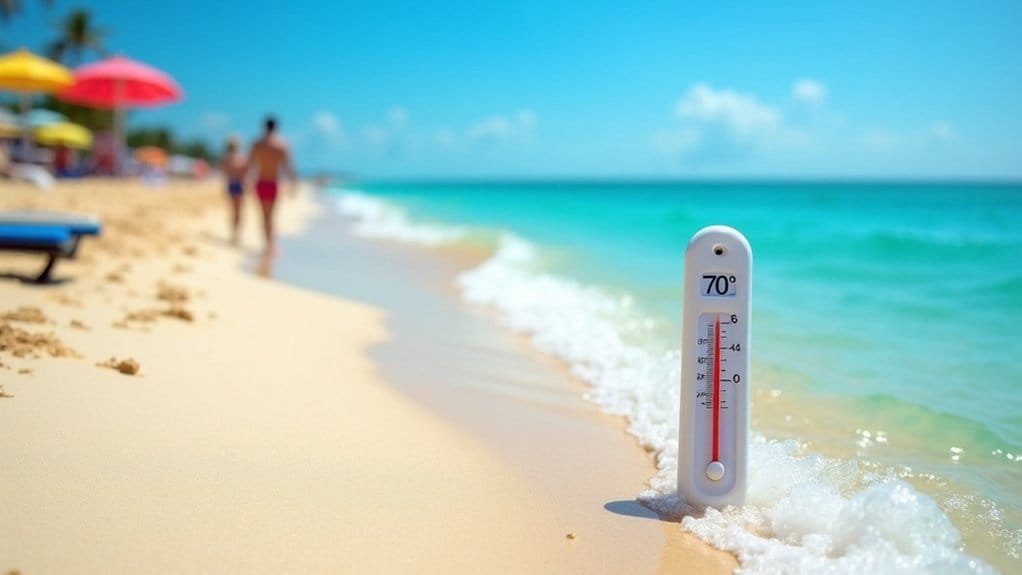
When considering a beach getaway to Miami in February, it’s important to know about the water temperature. During this month, you can expect the water to be between 71-73°F (21-23°C). This range is refreshing when you first enter but quickly becomes comfortable for swimming.
On particularly warm days, water temperatures can reach 75-76°F, while cooler fronts may bring it down to around 70°F.
For most visitors, especially those coming from colder regions, these temperatures are quite pleasant and suitable for various water activities, such as paddleboarding and snorkeling. The average water temperature in Miami during February is about 74°F, with typical fluctuations between 72-75°F.
While locals might opt for wetsuits for longer periods in the water, many find the temperature inviting for swimming.
It’s essential to prioritize safety at the beach; always check for any flags or warnings before entering the water, regardless of how appealing the turquoise ocean may appear. This knowledge will improve your experience and make sure a safe and enjoyable visit.
Can You Swim Comfortably Without a Wetsuit?
Can You Swim Comfortably Without a Wetsuit?
Swimming in Miami’s waters in February can be quite pleasant without a wetsuit. With temperatures around 74°F, many swimmers find the experience enjoyable.
While you may feel a brief chill upon entering the water, your body typically adjusts quickly, particularly during afternoon swims when the sun adds warmth.
For those visiting from colder climates, the water may feel refreshingly warm. On the other hand, local Floridians might take a moment to acclimate, but they usually adapt within minutes.
Engaging in active swimming rather than remaining still can help generate body heat, making the experience more comfortable.
The average water temperature of 73°F is ideal for various water activities, including long-distance swims and water sports. It strikes a balance—warm enough for comfort yet cool enough to prevent overheating during more vigorous exercise.
Which Miami Beaches Have the Warmest Water in February?

South Beach usually has the warmest water in February, thanks to its east-facing coastline that gets plenty of sunlight throughout the day. You can expect temperatures to reach around 73-75°F.
Key Biscayne also offers comfortable water temperatures, but its sheltered bay side tends to warm up more quickly in the afternoon sun compared to the Atlantic side.
I’ve found that the calm waters of Biscayne Bay near Matheson Hammock often feel warmer than the open ocean beaches, even if the thermometer readings are similar. The bay’s shallow, wind-protected waters hold onto heat better.
Speaking of water temperatures, let’s look into some great activities you can enjoy at these beaches during your visit.
South Beach Temperature Patterns
South Beach Temperature Patterns in February
When checking out Miami’s coastline in February, South Beach stands out as an excellent destination for warm-water swimming. During this month, water temperatures typically range from 71-73°F (21-23°C). You’ll notice that temperatures can vary throughout the day; for instance, during peak sunshine hours, the water can warm up to a comfortable 75-76°F.
This pleasant climate is largely influenced by ocean currents from the Gulf Stream, which help stabilize the weather patterns, making South Beach more consistently inviting than some of Florida’s northern beaches.
For optimal swimming experiences, it’s advisable to plan your swims between noon and 3 PM, when the water tends to feel warmest. Many visitors find this timing ideal, especially those seeking a break from colder winter climates.
A practical tip for swimmers is to test the water near lifeguard stations. These areas are strategically located where currents often bring in the warmest water, boosting your swimming experience.
Key Biscayne Water Conditions
Key Biscayne Water Conditions
Key Biscayne is an excellent choice for swimmers in February, thanks to its consistently warm water temperatures. The ocean typically ranges from 71-73°F (21-23°C), making it comfortable for most people. On particularly warm days, temperatures can rise to about 75-76°F (24°C), providing an inviting swimming experience without the shock of cold water.
In addition to favorable water temperatures, Key Biscayne offers several advantages for beachgoers. The area is equipped with lifeguard services and well-maintained facilities, making certain a safe and enjoyable visit. Activities like paddleboarding and snorkeling are popular, and the clear waters provide opportunities to observe local wildlife, including colorful fish and sometimes even sea turtles.
Compared to other nearby beaches, such as North Beach and Virginia Key, Key Biscayne tends to maintain more consistent temperatures throughout February. This reliability makes it a preferred destination for those looking to enjoy extended swims.
Whether you’re a local or a visitor, Key Biscayne’s water conditions create an ideal environment for a refreshing day at the beach.
Comparing Atlantic vs Bay
Miami’s geography offers two distinct swimming environments: the Atlantic Ocean and Biscayne Bay. Understanding these differences can help you choose the best spot for a swim in February.
The Atlantic Ocean typically has warmer temperatures, ranging from 71-75°F. These oceanfront beaches, like those in Miami Beach, retain their warmth well, making them reliable for swimming.
On sunny days, you might even find temperatures peaking at 76°F, providing a comfortable swimming experience.
In contrast, Biscayne Bay features calmer waters, especially in areas like Key Biscayne, where temperatures usually hover around 72-74°F.
Although the water here is slightly cooler, this is often due to reduced sun exposure and gentler currents.
For the warmest swimming experience in February, the Atlantic-facing beaches are your best option.
The extra degrees in temperature can significantly improve your comfort while swimming.
Understanding these nuances will help you make an informed choice for your Miami swimming adventure.
What Should You Wear Swimming in Miami in February?
When swimming in Miami in February, it’s essential to consider the water temperatures, which typically range from 71-73°F. This makes standard swimwear, such as a basic swimsuit or board shorts, an ideal choice for comfortable movement in the water.
A light rash guard is also a smart addition to your swimwear. It provides protection from Miami’s strong sunlight, which averages about 9.9 hours of daily exposure. Using a rash guard can help prevent sunburn, especially if you plan to spend extended periods outdoors.
Alongside your swimwear, be sure to apply a high-SPF sunscreen to shield your skin from UV rays.
Foot protection is another important consideration. Water shoes are beneficial for safeguarding your feet from hot sand and any sharp objects like shells or rocks that may be present on the beach. They boost your comfort while walking along the shoreline.
Additionally, a light cover-up is useful for transitioning between the water and the beach. It offers added sun protection and makes changing in and out of your swim gear more convenient.
Why Does February Wind Make the Water Feel Colder?
Why February Winds Make Ocean Water Feel Colder
When you step out of Miami’s ocean waters in February, the winds can create a noticeable cooling effect on your skin. At speeds of around 22 km/h, these winds accelerate the evaporation process from your body. This increased evaporation draws heat away from your skin more quickly than when conditions are calm, resulting in a chill that can be surprising.
The ocean’s temperature during this time typically ranges from 71°F to 73°F. However, when combined with the persistent February winds, this temperature can feel significantly colder.
After enjoying some time in the sun, your body warms up, and the contrast when you emerge from the water can be quite striking. The wind rushing over your wet skin increases the cooling effect, making the water feel even chillier.
For visitors coming from northern states, these conditions may feel refreshing. However, locals and those from warmer regions often find the water temperature to be quite brisk due to this wind chill phenomenon.
Understanding how wind affects our perception of temperature can help you better prepare for a dip in the ocean during these cooler months.
Are Miami’s Ocean Conditions Safe for Swimming in February?
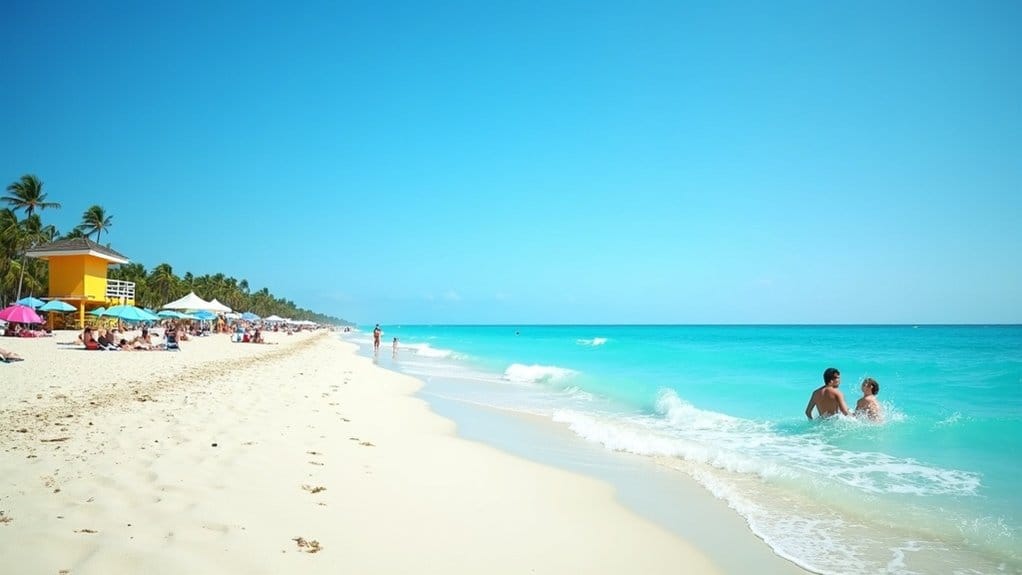
Are Miami’s Ocean Conditions Safe for Swimming in February?
When considering whether Miami’s ocean conditions are safe for swimming in February, it’s important to look at several key factors. Miami Beach prioritizes beach safety throughout the year, and February is no exception. Lifeguards are present along the shore, making certain that swimmers have access to professional oversight.
In February, the water tends to be relatively calm, making it a good time for swimming. However, it’s crucial to check the flag system before entering the water, as ocean currents can become stronger, particularly in the afternoon. Staying within designated swimming areas is advisable for safety.
Water temperatures typically range from 71°F to 73°F during this month, which many find comfortable for swimming. Additionally, the presence of trained lifeguards means that emergency services are close at hand, providing an extra layer of security.
In summary, Miami’s ocean conditions in February are generally safe for swimming, thanks to attentive lifeguards, manageable water temperatures, and well-marked swimming zones.
As always, being aware of current conditions and following safety guidelines will boost your beach experience.
Is February Better for Swimming Than January or March?
When planning your swim trip to Miami, February is a great choice. The ocean temperatures are warmer than January, which averages around 73.9°F, and you can avoid the busy crowds that come in March for spring break.
In February, you can expect the water to warm up to about 77°F on the nicer days. It’s a nice time for morning swims when the water feels refreshing but not too cold.
Plus, you can usually find a good spot on the beach without having to fight through a lot of tourists. Speaking of which, let’s look at some tips for making the most of your beach experience during this time.
January Water Temperature Comparison
If you’re considering a beach vacation in Miami, understanding the water temperature in February compared to January can help you make an informed choice about swimming conditions. In January, the water temperature typically ranges from 70-72°F, which may feel a bit cooler, especially during longer swims.
In contrast, February sees a slight increase, with temperatures rising to a more comfortable range of 71-73°F.
Here are some important points to consider about the water temperature in February:
- Maximum Temperatures: In February, water temperatures can peak at 75-76°F, compared to January’s maximum of 72°F. This increase can increase your overall swimming experience.
- Comfort After Sunbathing: The warmer water in February provides a more pleasant environment for swimming after sunbathing, allowing you to enjoy your time in the ocean without feeling chilled.
- Average Temperatures: The average water temperature in February is about 23.4°C. This warmth supports longer periods of water activities, making it easier to enjoy the beach.
Overall, February offers a sweet spot for swimming in Miami, striking a balance between the cooler January temperatures and the warmer waters of March, which range from 73-75°F.
If swimming and water activities are a priority for your trip, February is an excellent choice for a more comfortable experience.
March Warming Trend Benefits
March typically brings warmer water temperatures of 73-75°F to Miami’s beaches, making it a popular choice for swimming. However, February presents some unique advantages that may make it the ideal month for swimming.
In February, you’ll find significantly fewer tourists. This means you can enjoy prime beach spots without the large crowds that often arrive in March. The water during this month tends to feel refreshing rather than overly warm, which is preferred by many serious swimmers.
On particularly warm days, water temperatures can reach 75-76°F, which is quite comparable to peak summer conditions at northern beaches, yet you won’t have to contend with the influx of spring breakers.
Additionally, the temperature difference between the air and water in February creates a comfortable balance for longer swimming sessions. While the initial coolness of the water may take a moment to adjust to, many swimmers find that they acclimate quickly, allowing for extended swims.
In contrast, March’s warmer water can lead to crowded beaches, which may detract from the overall experience.
February Crowd Level Advantages
February offers a unique advantage for beachgoers in Miami, striking a balance between the quieter January and the bustling spring break in March. During this month, the beaches are notably less crowded, which allows visitors to enjoy a more relaxed experience.
With water temperatures hovering around 71-73°F, swimming is comfortable, yet fewer tourists are drawn to the area compared to peak seasons.
Key advantages of visiting Miami beaches in February include:
- Parking: You’ll find more available parking spots at popular locations like Miami Beach, making it easier to access the shoreline without the hassle of long searches for a space.
- Dining: Expect shorter wait times at beachfront restaurants and rental facilities. This means you can enjoy your meals or rent equipment without lengthy delays, increasing your overall experience.
- Activities: With fewer people on the beach, there are better opportunities to engage in various beach activities. Whether it’s paddleboarding, beach volleyball, or simply relaxing in the sun, you’ll have more space to do so.
In addition to the beach experience, February presents a chance to look into local events without the distraction of large crowds.
The decrease in tourist numbers allows you to appreciate the natural sounds of the waves and immerse yourself in authentic beach life. Overall, February is an ideal time for a Miami swimming adventure, combining pleasant weather with a more serene environment.
When During the Day Is February Water Warmest for Swimming?
In February, the warmest ocean water for swimming in Miami occurs between 2 PM and 5 PM. During these hours, water temperatures typically peak at around 75-76°F, thanks to several hours of sun exposure.
In contrast, morning temperatures are cooler, generally ranging from 71-73°F, which might feel brisk if you’re not accustomed to it.
To make the most of your beach day, consider planning your swims for the afternoon when conditions are most favorable. Morning hours can be spent enjoying Miami’s various attractions, and heading to the beach in the afternoon allows you to take advantage of warmer water temperatures.
You’ll likely find the experience much more enjoyable as the water feels inviting rather than jarring after some time in the sun.
Additionally, the ambient air temperature typically rises to about 77°F by mid-afternoon, improving your swimming experience.
This combination of warm water and pleasant air creates ideal conditions for enjoying the ocean in February. By timing your swims properly, you can make sure a refreshing and comfortable experience in the water.