Are you thinking about a road trip from Miami to Key West? It’s a popular choice for many, and for good reason! The journey offers breathtaking views and unique experiences along the way. But before you hit the road, it’s important to consider a few key factors that can make or break your trip.
The route is famous for its stunning scenery, especially the iconic bridges that connect the islands. Understanding what to expect—like traffic patterns on weekends or the need for gas stops—can enhance your adventure. Plus, knowing when to check the weather is crucial, especially during hurricane season.
Curious about what makes this drive so special? Stay tuned to discover everything you need to know for a memorable trip.
How Long Does It Take to Drive From Miami to Key West?
Driving from Miami to Key West: Duration and Tips
If you’re planning a trip to Key West, it’s important to know that the distance from Miami to Key West is approximately 165 miles via U.S. Route 1. The drive typically takes around four hours without any stops.
However, it’s essential to consider that traffic conditions, especially during weekends and holidays, can extend this time to four and a half hours or more.
For a smoother journey, consider traveling on a weekday. Midweek trips usually experience significantly less traffic compared to weekends, making for a more enjoyable drive.
It’s advisable to avoid peak travel times, such as Presidents Week in mid-February, when congestion can be particularly heavy.
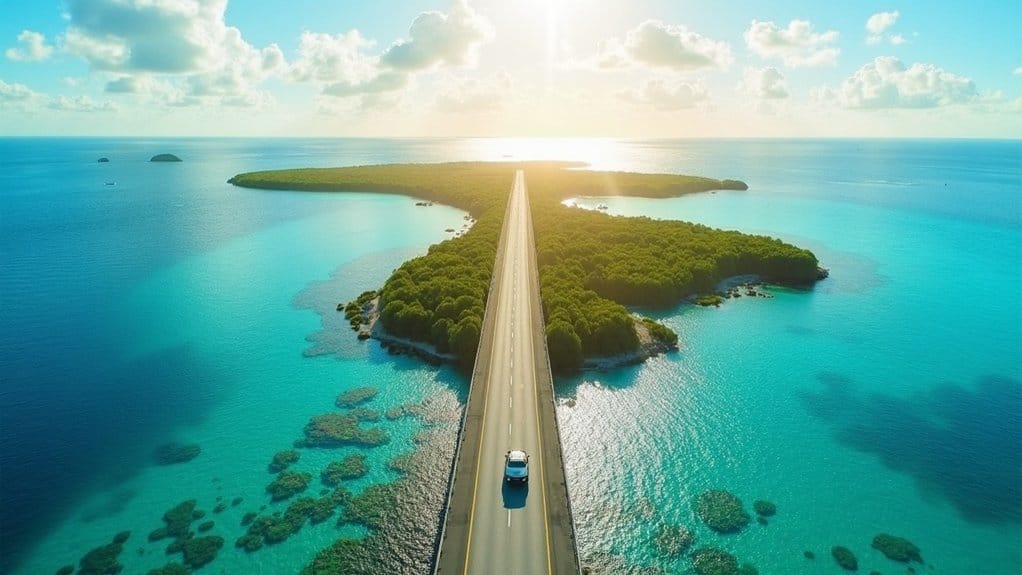
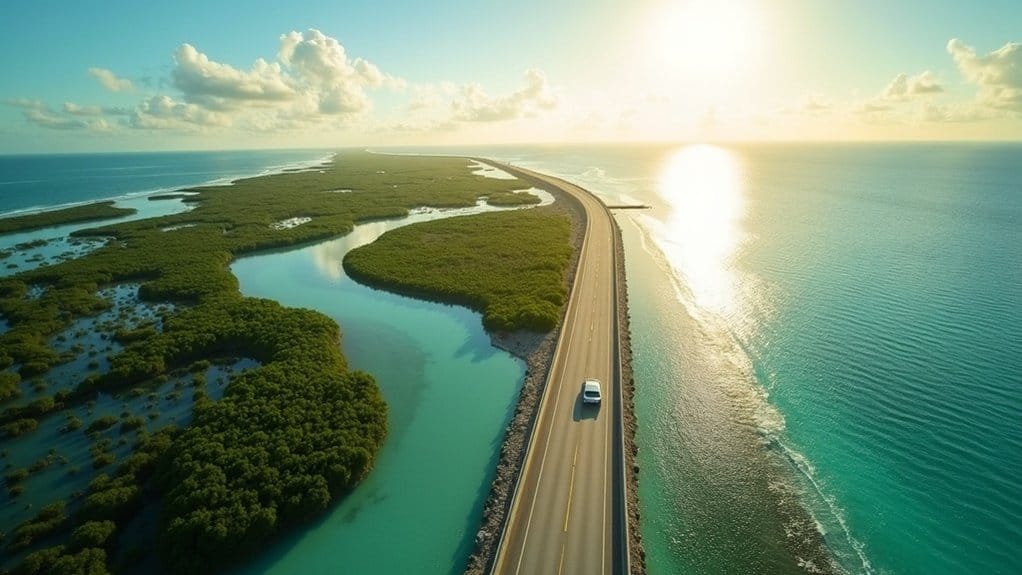
During your drive, you’ll experience approximately 113 miles of scenic views and cross 42 bridges that connect the Florida Keys. These sections of the route offer beautiful vistas, with turquoise waters on either side, enhancing the overall experience of the trip.
What Route Do You Take From Miami to Key West?
When traveling from Miami to Key West, you’ll want to take U.S. Route 1, commonly known as the Overseas Highway. This 165-mile route is the only direct road connecting the Florida mainland to the Florida Keys, making it essential for your journey.
The drive includes crossing 42 bridges, with 113 miles of the roadway situated over water, offering stunning views along the way. Here are some key locations and landmarks to look for as you travel:
| Mile Marker | Location | Notable Feature |
|---|---|---|
| 106 | Key Largo | John Pennekamp Coral Reef State Park, perfect for snorkeling and diving. |
| 82 | Islamorada | Known for its excellent dining options and local attractions. |
| 47 | Marathon | Home to the famous 7 Mile Bridge, a highlight of the drive. |
As you approach Key West, you’ll notice the mile markers counting down to zero. These markers serve as a useful guide to track your progress. The vibrant turquoise waters lining the highway provide a picturesque backdrop for your trip. However, be mindful that traffic can slow significantly on weekends, especially during peak tourist seasons.
Planning your trip accordingly can enhance your experience, allowing you to enjoy all that this scenic route has to offer. Safe travels!
What Will You See on the Overseas Highway and 7 Mile Bridge?
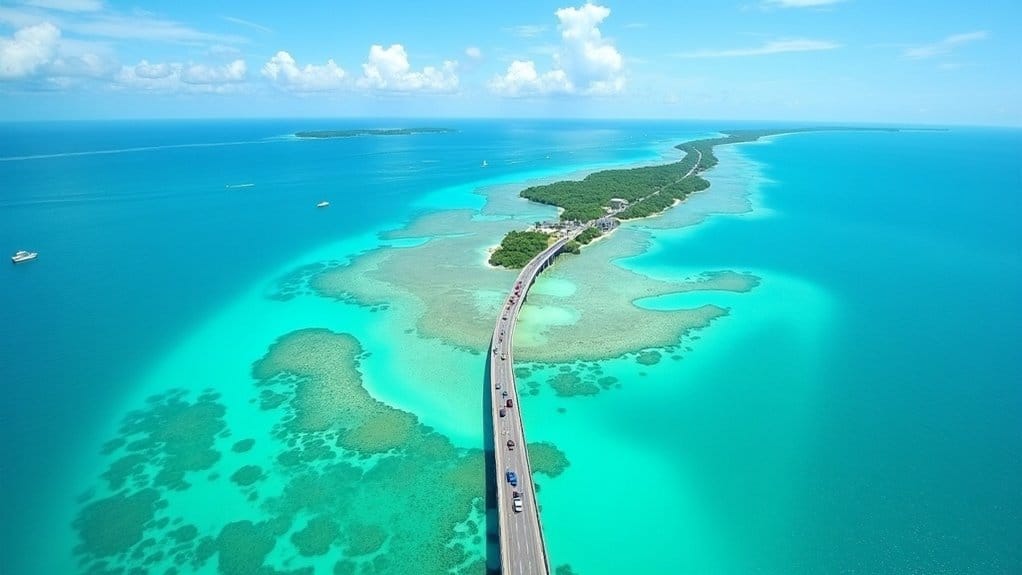
As you travel along the Overseas Highway, you’re experiencing one of the most remarkable coastal routes in the United States. This 113-mile highway connects the islands of the Florida Keys and features 42 bridges, each providing breathtaking views of the ocean.
Among these, the 7 Mile Bridge stands out—not quite seven miles long, but 6.79 miles of stunning scenery where turquoise waters stretch out on either side.
It’s advisable to stop at the designated scenic overlooks to capture some impressive photographs. These spots often provide opportunities to see dolphins frolicking in the water and seabirds hunting for fish.
The 7 Mile Bridge has a rich history, originally constructed as a railroad bridge in the early 1900s. Today, it serves as a vital link in your journey through this tropical paradise.
For the best experience, consider driving during the golden hour, when the light enhances the natural beauty of the surroundings.
This road trip isn’t just about reaching your destination; it’s about enjoying the unique landscapes and wildlife that make the Overseas Highway and 7 Mile Bridge a must-see.
Which Stops Should You Make Between Miami and Key West?
When planning your journey from Miami to Key West, consider stopping at Bahia Honda State Park. This park charges an $8 fee per vehicle and is known for its beautiful beaches, which are ideal for a refreshing swim or a leisurely stroll.
The park also offers opportunities for snorkeling and birdwatching, making it a great spot to take a break and enjoy nature.
After your time at Bahia Honda, a visit to No Name Pub on Big Pine Key is highly recommended. This local establishment has a unique atmosphere and is well-known for its hearty pub fare.
It’s a perfect place to unwind and refuel before continuing on your adventure to Key West.
These stops not only enhance your travel experience but also allow you to appreciate the natural beauty and local culture of the Florida Keys.
When Should You Drive to Key West (and When Should You Avoid It)?
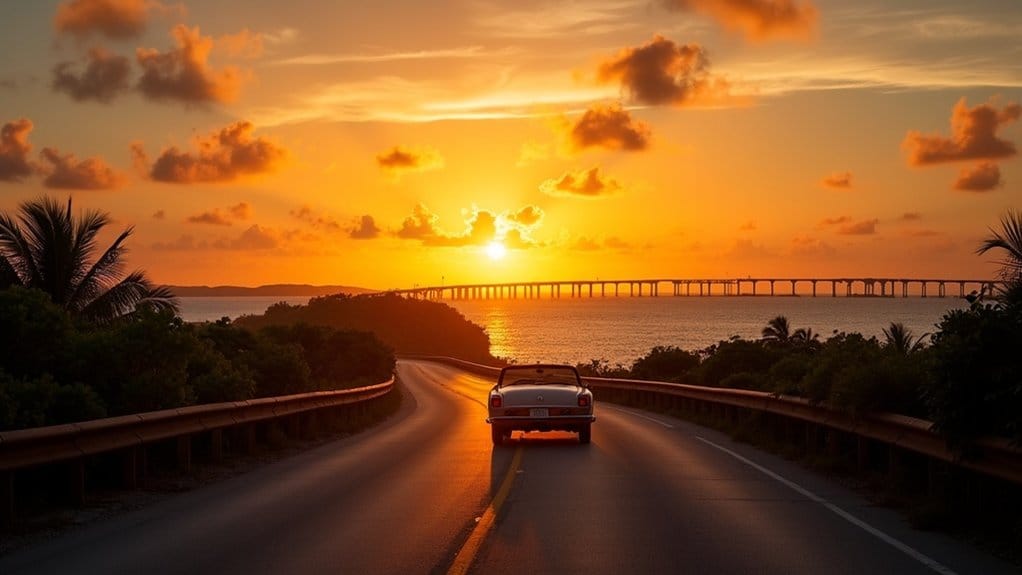
When to Drive to Key West and When to Avoid It
Planning a trip to Key West? Understanding when to drive can make a significant difference in your travel experience. Here’s a breakdown of traffic levels throughout the year, along with recommendations to help you navigate your journey smoothly.
| Time Period | Traffic Level | Recommendation |
|---|---|---|
| Weekdays (Tue-Thu) | Light to Moderate | This is generally the best time to drive, as traffic is manageable. |
| Weekends | Heavy | If possible, try to avoid driving on weekends when traffic tends to be congested. |
| Presidents Week (mid-Feb) | Extremely Heavy | This week is known for exceptionally high traffic, so it’s advisable to plan alternative dates for your trip. |
| Hurricane Season (Jun-Oct) | Variable | During this period, traffic can be unpredictable. Always check weather forecasts before heading out. |
To ensure a smoother drive, consider starting your journey around 7 a.m. This timing helps you bypass Miami’s morning rush hour, allowing for a more pleasant trip. Additionally, it’s wise to avoid Presidents Week altogether, as it consistently ranks as the busiest traffic period of the year.
Are There Tolls on the Miami to Key West Drive?
Good news: the drive from Miami to Key West along U.S. Route 1 is toll-free. You won’t have to worry about cash or setting up a SunPass account.
Unlike other highways in Florida that have toll booths, you can enjoy this scenic route without any stops for fees. Just keep your wallet handy for gas and snacks—that’s really all you’ll need for this beautiful coastal drive.
Speaking of which, let’s explore some great places to stop along the way.
Toll Roads Overview
Toll Roads Overview: Driving from Miami to Key West
When planning your drive from Miami to Key West, one of the notable features is the absence of tolls along U.S. Route 1. This 165-mile journey allows you to enjoy the beautiful scenery without worrying about toll fees, making it an appealing option for travelers.
While there are no tolls, it’s important to note that some costs may arise during your trip. For example, state parks like Bahia Honda do charge entrance fees.
Additionally, stopping at local eateries for specialties like conch fritters or key lime pie can enhance your experience, so consider bringing some cash or cards for these expenses.
Traffic can be a factor, especially on weekends or during peak tourist seasons, which may extend your travel time beyond the typical four hours.
Planning for potential delays will help ensure a smoother journey. Ultimately, the money saved by avoiding tolls can be used to explore the unique attractions and hidden gems throughout the Florida Keys.
Expected Toll Costs
When planning your trip from Miami to Key West, it’s important to note that U.S. Route 1 is toll-free. This means you can allocate your budget towards experiences like trying local conch fritters or enjoying a sunset catamaran cruise, rather than worrying about toll fees.
While the absence of tolls makes this road trip more affordable, it’s essential to consider fuel costs. Gas stations are available along the overseas highway, but prices can vary. To make the most of your budget, it’s wise to refuel when you see lower prices.
Another key factor to keep in mind is traffic. During weekends and holidays, the drive can slow significantly, particularly in the narrow two-lane areas. To avoid frustration, plan your journey during off-peak hours when possible.
By understanding these considerations—toll-free travel, fuel expenses, and potential traffic—you can better prepare for a smooth and enjoyable trip on U.S. Route 1.
This highway offers stunning views of turquoise waters and iconic bridges, making it a memorable part of your journey.
Payment Methods Accepted
Payment Methods Accepted on Your Journey from Miami to Key West
Traveling from Miami to Key West offers a beautiful route with no tolls, which is great news for budget-conscious travelers. However, it’s important to prepare your payment methods for various expenses you might encounter along the way.
Here are the key payment methods you should consider:
- Major Credit Cards: Most gas stations and restaurants throughout the Keys accept major credit cards. This is a convenient option for meals and fuel.
- Cash for State Parks: Some state parks, such as Bahia Honda, charge entrance fees. While many accept cards, it’s wise to have cash on hand just in case. Always check in advance to confirm payment options.
- Small Bills: When visiting local vendors and roadside food stands, having small bills can be very helpful. Many of these charming spots may prefer cash, especially for quick purchases.
- Backup Payment Option: Be aware that some remote locations in the Keys may experience issues with card readers. Having a backup payment method, such as cash, can ensure you don’t miss out on unique local experiences.
From personal experience, I can attest that arriving at a cash-only fruit stand without cash can mean missing out on delicious local treats.
Where Can You Find Gas Stations and Restrooms Along Route 1?
You’ll find gas stations about every 20-30 miles along Route 1, with good clusters in Key Largo, Islamorada, and Marathon.
Look for familiar brands like Chevron and Shell, which also offer snacks. Restrooms are typically available at these stations, and you can also find them at popular spots like John Pennekamp Coral Reef State Park, Bahia Honda State Park, and Robbie’s Marina.
It’s a good idea to fill up your tank before heading into the more remote stretches between towns, as those long, sunny miles can feel even longer if your fuel gauge starts to dip and the next station isn’t in sight.
Speaking of the journey, let’s talk about some of the scenic views and attractions you can enjoy along the way.
Major Keys Gas Stops
Major Gas Stops Along the Overseas Highway
When traveling the Overseas Highway, it’s essential to plan for fuel stops to ensure a smooth journey. The scenic route can be beautiful, but running low on gas without a station nearby can quickly turn the experience frustrating.
Thankfully, there are reliable gas stations approximately every 20-30 miles, which makes it easier to keep your vehicle fueled and your trip enjoyable. Here’s a guide to the major gas stops you should consider:
- Key Largo (Mile Marker 102): The Shell station here is a great first stop. It offers clean restrooms and a well-stocked convenience store, making it a convenient place to refuel both your vehicle and yourself.
- Islamorada: This area features multiple gas stations, providing various options for fuel as well as quick-service food. This makes it an ideal place to take a break and recharge before continuing your journey.
- Marathon (Mile Marker 50): The Mobil station in Marathon is well-equipped with restrooms and supplies. It’s a strategic stop that ensures you’re set for the next leg of your trip.
- Additional Marina Stops: Scattered throughout the route, these marinas offer basic facilities for fuel and rest. While they may not have extensive amenities, they can be a lifesaver in more remote areas.
Practical Tip: It’s a good practice to fill up your tank whenever you have the chance, especially before heading into stretches where gas stations are less frequent.
These stops also provide an excellent opportunity to grab snacks and stretch your legs, making your travel experience more enjoyable.
Public Restroom Locations
When planning a trip along Route 1, it’s essential to consider not just your fuel needs but also restroom availability. Public restroom locations are conveniently spaced every 20-30 miles, typically found at gas stations and popular attractions, making it easier to manage your travel breaks.
Here are a few key locations where you can find reliable restroom facilities:
| Location | Facility Type | Notable Features |
|---|---|---|
| Key Largo | John Pennekamp State Park | Well-maintained restrooms, picnic areas for a comfortable stop |
| Marathon | Shell/Mobil Stations | Open 24 hours, with attached convenience stores for snacks and refreshments |
| Big Pine Key | Bahia Honda State Park | Restrooms available alongside beautiful beach access |
Gas stations like Shell, Mobil, and Chevron are known for their consistently clean facilities throughout the Florida Keys. Additionally, Robbie’s Marina in Islamorada is a great stop where you can use the restrooms while enjoying the unique experience of feeding tarpon.
It’s important to note that state parks, such as John Pennekamp and Bahia Honda, often require an entrance fee. However, they offer well-equipped restrooms and picnic areas, making them worthwhile rest stops during your scenic journey.
Service Station Planning Tips
Service Station Planning for Your Miami to Key West Journey
When planning your trip from Miami to Key West, strategic service station planning is essential. This 165-mile journey can be enjoyable, but ensuring you have enough fuel and facilities along the way can make all the difference.
Key Service Station Tips:
- Refuel Early: Start your journey by filling up in Key Largo or Islamorada. These locations are well-equipped with gas stations before you venture into more remote areas, where options become limited.
- Schedule Bathroom Breaks: During your 4 to 4.5-hour drive, it’s wise to plan bathroom breaks every 1.5 to 2 hours. This will help you stay comfortable and refreshed throughout the trip.
- Choose Major Brands: Opt for well-known gas station brands like Shell and Mobil. These stations not only offer reliable fuel but also typically provide clean restroom facilities, enhancing your travel experience.
- Take Advantage of the 7 Mile Bridge Rest Area: This rest area offers stunning views and is a great place to take a break. It’s equipped with necessary facilities, making it a perfect stop along the way.
Towns like Marathon serve as reliable pit stops, so you won’t find yourself stranded.
It’s important to refuel before your tank runs low, as fuel prices tend to rise as you head south. Early fill-ups can save you money and ensure a smoother journey.
Where Should You Park in Key West and What Does It Cost?
Parking in Key West can be challenging, especially during busy times like spring break or Fantasy Fest. To make your experience smoother, consider parking at the Grinnell and Caroline Streets lot. This location provides easy access to popular attractions and dining options.
Here’s a concise breakdown of your parking options in Key West:
| Parking Option | Cost | Best For |
|---|---|---|
| On-street metered | $4/hour | Quick stops and dining |
| Daily permit | $20 | All-day exploration |
| Hotel parking | Varies/Included | Overnight guests |
| Public lots | $3-5/hour | Extended visits |
| Free street parking | Free | Early arrivals only |
To maximize your chances of finding a spot, aim to arrive before 9 AM, as parking can fill up quickly. If you prefer not to deal with parking altogether, consider walking or biking around Key West. The area is compact and pedestrian-friendly, making it easier to explore without the hassle of feeding parking meters.
What Could Go Wrong? Weather and Road Closures to Watch For
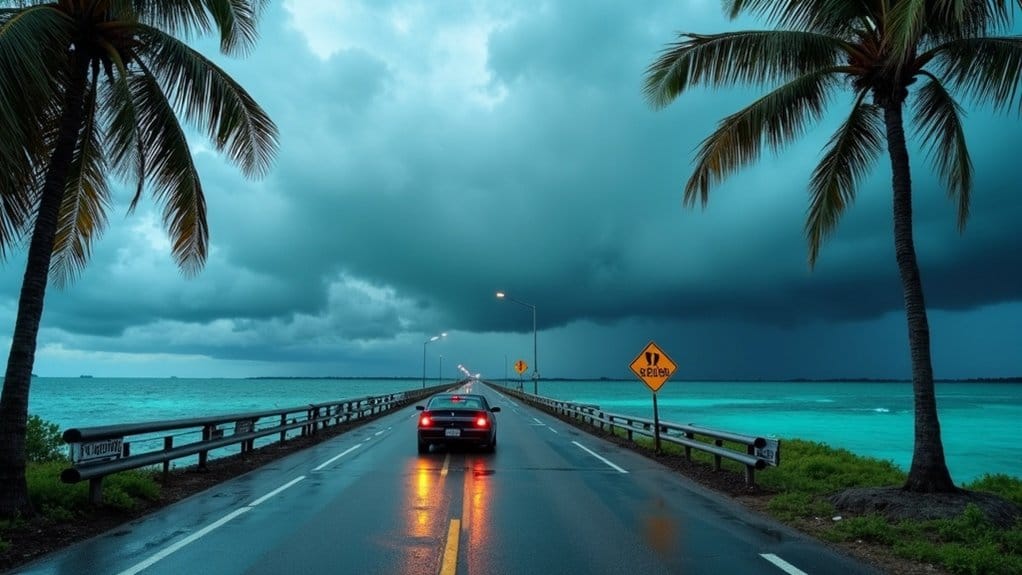
Weather and Road Closures to Watch For
Securing a great parking spot is just the beginning; understanding how weather can impact your travel plans is crucial. From June to November, hurricane season poses unique challenges, with sudden closures and hazardous conditions. Here are some key factors to keep in mind:
1. Flash Flooding on Route 1****: After heavy rain, low-lying areas along Route 1 can quickly become impassable. This can lead to significant detours through congested alternate routes.
It’s essential to check local weather updates and road conditions before you set out.
2. Seven Mile Bridge Closures: This iconic route may close unexpectedly due to high winds or tropical storms.
Being stranded mid-journey can be frustrating, so it’s wise to monitor weather forecasts and have alternative plans ready.
3. Weekend Traffic Issues: Holidays often bring heavy traffic along popular routes.
Bumper-to-bumper conditions can be exacerbated by accidents and ongoing construction. Planning your travel times and routes carefully can help you avoid these delays.
4. Speed Traps in Big Pine Key****: Local law enforcement is vigilant about speeding in this area.
Familiarizing yourself with the speed limits can save you from costly fines and ensure a smooth journey.
To ensure a safe and enjoyable trip, keep a close eye on weather forecasts and road conditions before you leave.
Being informed can help you navigate potential challenges and make the most of your travel experience.
Is the Drive From Miami to Key West Worth It?
As you drive from Miami to Key West, you’ll find yourself reaching for your camera often. The ocean shifts from murky coastal waters to stunning turquoise shades that the Keys are famous for.
This four-hour journey is more than just getting from point A to point B; it’s filled with experiences like underwater state parks, the scenic Seven Mile Bridge, and roadside conch fritters that are even better with the salty breeze on your face.
While it’s a half-day commitment, the memories you make along the way will definitely make your friends wish they’d joined you.
Speaking of experiences, let’s dive into what else you can do in Key West once you arrive.
Scenic Beauty and Views
The 165-mile journey along U.S. Route 1 showcases some of Florida’s most captivating coastal scenery. This route features 42 bridges, including the notable Seven Mile Bridge, which provides stunning views of turquoise waters merging with the sky.
Key Scenic Highlights:
1. Seven Mile Bridge: This iconic bridge offers expansive ocean views, allowing travelers to appreciate the beauty of both the Atlantic Ocean and the Gulf of Mexico.
It’s an excellent spot for photography and enjoying the fresh sea breeze.
2. John Pennekamp Coral Reef State Park: Known for its crystal-clear waters, this park is ideal for snorkeling and diving.
Visitors can explore vibrant coral formations and diverse marine life, making it a must-visit for nature enthusiasts.
3. Bahia Honda State Park: Famous for its pristine beaches, Bahia Honda offers a unique experience with striking variations in water color.
The calm waters here are perfect for swimming, kayaking, and picnicking.
4. Lower Keys: This area features some of the most dramatic scenery along the route, where land is often just a narrow strip separating two oceans.
It’s a great place to explore nature trails and enjoy the tranquil environment.
As you travel south on U.S. Route 1, the scenery evolves.
Each bridge crossing reveals distinct water hues, from jade green to deep cobalt, creating a picturesque backdrop that enhances the journey.
The changing landscapes not only highlight Florida’s natural beauty but also provide a serene escape for travelers seeking to appreciate the state’s coastal charm.
Unique Attractions Along Route
Unique Attractions Along Route: A Guide to Key West and Its Surroundings
The drive along this iconic highway offers more than just stunning ocean views. It features a variety of unique attractions that enhance the journey and provide memorable experiences.
| Location | Attraction | Experience |
|---|---|---|
| Key Largo | John Pennekamp State Park | Snorkel coral reefs |
| Islamorada | Robbie’s Marina | Hand-feed massive tarpon |
| Marathon | Turtle Hospital | Tour rehabilitation facilities |
| Big Pine Key | Bahia Honda State Park | Swim at pristine beaches |
| Key West | Hemingway Home | Visit with six-toed cats |
In Islamorada, often referred to as the “Sportfishing Capital of the World,” you can observe impressive tarpon leaping for baitfish at Robbie’s Marina. This location not only underscores the region’s fishing heritage but also allows visitors to engage with these remarkable fish firsthand.
The Turtle Hospital in Marathon provides an educational experience where you can learn about sea turtle rehabilitation. Here, you can see firsthand how the facility cares for injured turtles and the efforts being made to protect this endangered species.
Bahia Honda State Park is known for its beautiful, sugar-sand beaches, making it an ideal spot for swimming and relaxation. The park offers a chance to experience Florida’s natural beauty while enjoying the warm, clear waters.
Finally, in Key West, you can visit the Hemingway Home and Museum. This historic site is not only a tribute to the famous writer but also home to his six-toed cats, descendants of the original feline companions. The gardens surrounding the estate are a peaceful place to reflect on Hemingway’s life and legacy.
These unique attractions along the route offer both educational and recreational opportunities, making your journey through the Florida Keys a well-rounded experience.
Time Investment Considerations
Time Investment Considerations for Your Journey Along U.S. Route 1
When planning your trip along U.S. Route 1, it’s important to evaluate whether dedicating an entire day makes sense for your vacation. Here are some key factors to consider:
- Driving Time: Expect to spend about 4 to 4.5 hours driving, covering approximately 150 miles. This gives you a clear idea of how much time you’ll need to allocate for this segment of your trip.
- Scenic Views: The route features 42 bridges and 113 miles of stunning turquoise water views. These picturesque landscapes are a significant part of why many choose to take this drive, offering numerous photo opportunities and moments to enjoy the natural beauty.
- Traffic Conditions: Be aware that weekends and peak seasons, such as Spring Break, can lead to traffic delays. Planning your trip during midweek can help you avoid the congestion often experienced during busier times.
- Break Opportunities: Take advantage of strategic stops at places like John Pennekamp Coral Reef State Park and Bahia Honda State Park. These locations not only provide a chance to stretch your legs but also offer unique experiences such as snorkeling, hiking, and enjoying local wildlife.
While the initial stretches of the drive may seem less engaging, the latter portions reveal breathtaking scenery that enhances the overall experience.
Ultimately, the journey along U.S. Route 1 transforms into a memorable part of your vacation, making it worthwhile to invest the time for such a remarkable adventure.