Are you curious about the influence of legendary hip-hop groups in Miami’s music scene? A Tribe Called Quest is a name that often comes up in conversations about impactful artists. Their most memorable Miami appearance was at Rock the Bells 2008 in Bayfront Park, where they electrified a crowd of 10,000 fans despite the intense heat. This performance was not just a concert; it was a celebration of their iconic tracks from the early ’90s and a testament to their lasting impact on hip-hop culture.
Their unique blend of jazz-infused beats and socially conscious lyrics still resonates with both tribute acts and emerging artists in Miami’s vibrant hip-hop landscape. The legacy of A Tribe Called Quest continues to shape local performances and cultural events, making their story an essential part of the city’s musical narrative. So, what makes their influence so significant in today’s hip-hop scene? Let’s dive deeper into their journey and impact on Miami’s rich musical tapestry.
A Tribe Called Quest’s Performance History in Miami
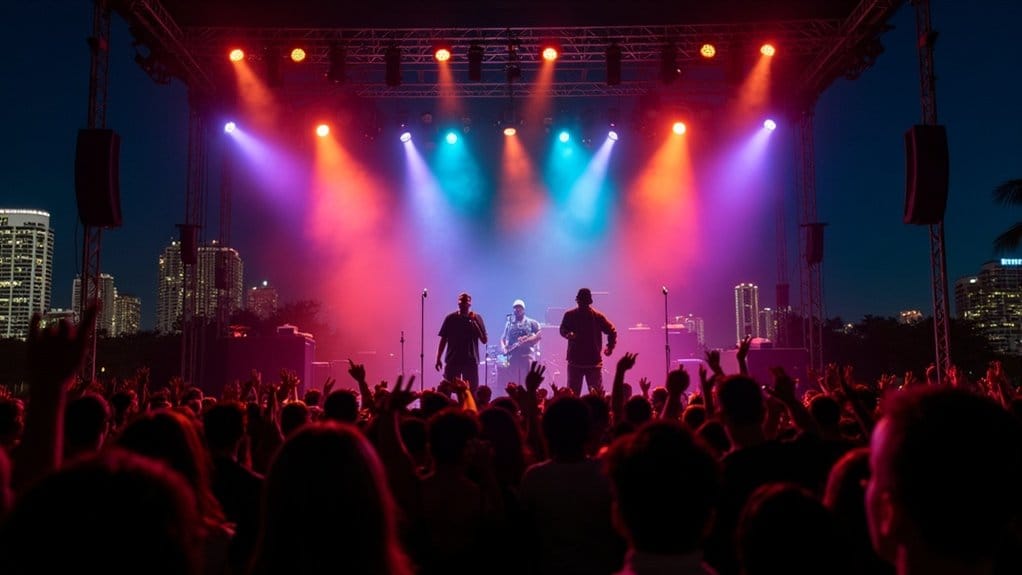
A Tribe Called Quest’s performance at Rock the Bells 2008 in Bayfront Park is a significant event in Miami’s hip-hop history. This performance drew around 10,000 attendees to Downtown Miami, demonstrating the group’s lasting appeal and the importance of their early 90s music. Even in the sweltering heat, which reached over 100 degrees, fans were eager to experience their iconic tracks.
The setlist featured many of their classic songs, which resonated with both longtime fans and younger listeners who may have been discovering their influence for the first time. The festival included other notable artists such as Nas, De La Soul, and Method Man & Redman, emphasizing the cultural relevance of this event as part of the revival of hip-hop’s golden era.
A Tribe Called Quest’s connection to Miami’s hip-hop scene is noteworthy. Their music has helped shape the genre, and their performance served as a reminder of their impact.
The atmosphere created by their classic hits strengthened a sense of nostalgia and community among the audience. This performance marked an important opportunity for the group to reconnect with their Southern fanbase, reinforcing their position as influential figures in the hip-hop landscape.
Iconic Miami Venues That Hosted A Tribe Called Quest
Bayfront Park is a notable venue that has hosted A Tribe Called Quest‘s performances in Miami, most prominently during their appearance at Rock the Bells in 2008. This Downtown Miami location attracted around 10,000 hip-hop enthusiasts who gathered to see the group reunite with fellow artists De La Soul and Nas.
The park’s waterfront setting complements Miami’s dynamic cultural landscape, which has played a significant role in shaping A Tribe Called Quest’s music and artistic direction.
The group’s connection to Miami extends beyond traditional music venues. Their collaboration with the Miami Heat illustrates how their influence reaches into the city’s sports and entertainment sectors.
A Tribe Called Quest’s performances often blend timeless tracks with modern relevance, acknowledging the diverse demographic of Miami. This strategy highlights the group’s awareness of the city’s unique place within hip-hop culture and its multicultural audience.
Rock the Bells 2008: A Legendary Miami Hip-Hop Festival
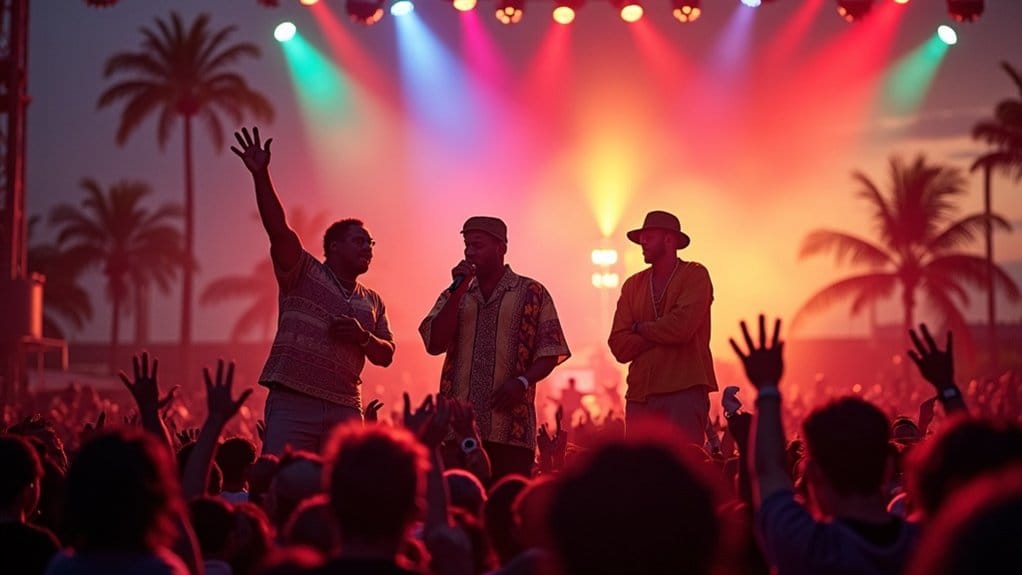
Rock the Bells 2008 turned Miami’s Bayfront Park into a hub for hip-hop enthusiasts, with 10,000 fans braving the sweltering 100-degree heat for a full day of music.
The lineup featured iconic acts like A Tribe Called Quest, Nas, De La Soul, Mos Def, and Method Man & Redman, showcasing the genre’s golden era while still appealing to younger fans.
While the conditions were tough—long entry lines and $4 bottled water—attendees felt a strong connection to hip-hop culture, as the event blended great performances with meaningful conversations and a genuine vibe from the crowd.
Speaking of music festivals, they continue to evolve and draw diverse audiences, reflecting the changing landscape of the music scene.
Historic Lineup and Performances
In 2008, Miami experienced a landmark event in its hip-hop scene when Rock the Bells took place at Bayfront Park. With temperatures soaring above 100 degrees, about 10,000 fans gathered to celebrate the genre’s rich history. This festival stands out as a significant moment for hip-hop in the city.
Rock the Bells featured a lineup that highlighted the trend of showcasing golden-age hip-hop artists. Notable headliners included Nas, De La Soul, and A Tribe Called Quest, all of whom have played crucial roles in shaping hip-hop culture. The festival attracted attendees from all over, evidenced by the sight of fans wearing vintage A Tribe Called Quest shirts, despite gas prices reaching $4.08 per gallon at the time.
The event’s grueling 10-hour schedule tested the endurance of attendees, who guided long entrance lines and the intense summer heat. A Tribe Called Quest’s performance was a highlight, as they delivered iconic hits from the early 90s. Their set not only entertained but also evoked a strong sense of nostalgia among fans, underscoring the cultural importance of their music and the festival itself.
Extreme Heat and Conditions
In 2008, the Rock the Bells festival in Miami faced extreme heat, with temperatures exceeding 100 degrees. This event highlighted the physical challenges associated with outdoor festivals, especially in hot climates. Both performers and attendees had to adapt to the demanding conditions over a 10-hour duration, making effective heat management crucial for their well-being.
Hydration strategies became particularly important, as bottled water was priced at $4. This cost raised accessibility concerns, emphasizing that staying hydrated wasn’t just a preference but a necessity for health and safety. The situation was compounded by the high price of alcoholic beverages, with Heinekens selling for $10, making it difficult for many to enjoy responsibly.
Despite the scorching heat, the festival maintained a lively atmosphere. Fans donned vintage A Tribe Called Quest shirts, demonstrating their commitment to hip-hop culture even in challenging circumstances.
Ultimately, the extreme weather conditions shaped the experience of the day, turning it into a testament to the dedication of those who attended.
This event serves as a reminder of the importance of planning for extreme heat at outdoor festivals. Organizers and participants alike must prioritize hydration and develop strategies to cope with high temperatures to make certain everyone can enjoy the festivities safely.
Cultural Impact and Legacy
The 2008 Rock the Bells festival in Miami marked an important chapter in hip-hop’s cultural history. At this event, A Tribe Called Quest delivered a memorable closing performance that highlighted their lasting impact on the genre. Fans of all ages came together to appreciate classic tracks from the early 90s, which have shaped lyrical storytelling in hip-hop.
This festival was more than just a concert; it served as a platform for civic engagement and political awareness. Nas, a key figure in hip-hop, used his performance to encourage attendees to become more active in social issues, demonstrating how hip-hop can contribute to meaningful discussions in society.
The lineup, which included influential groups like De La Soul and Method Man & Redman, showcased the collaborative spirit and interconnected history of hip-hop.
With around 10,000 attendees at Bayfront Park, the festival underscored the cultural significance of these artists and their ability to bridge generational gaps within the hip-hop community.
Events like Rock the Bells not only celebrate music but also encourage a sense of community and shared values among fans, reinforcing hip-hop’s role as a powerful medium for cultural expression and social change.
The Group’s Influence on Miami and Florida Hip-Hop Culture
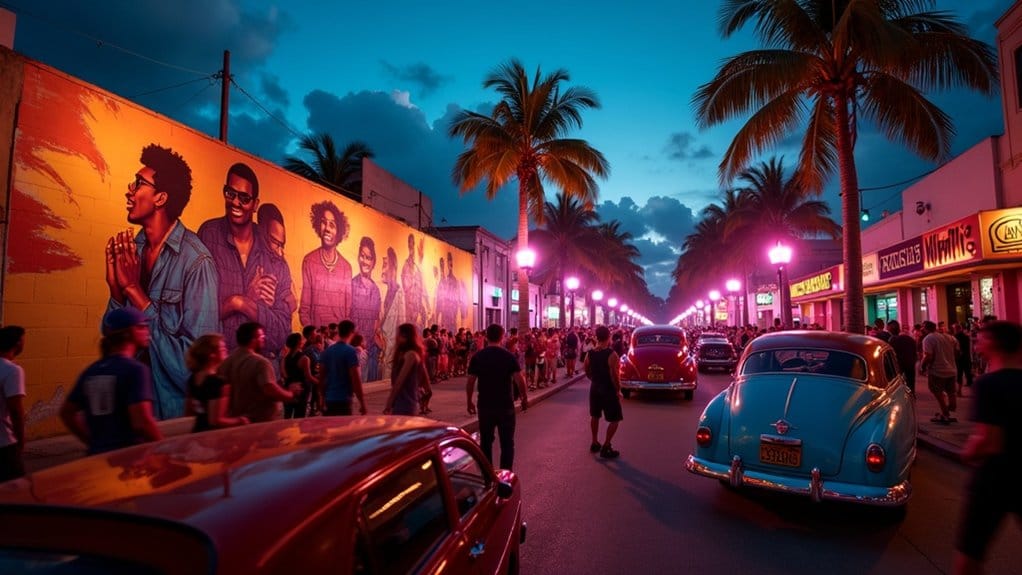
A Tribe Called Quest significantly influenced Florida’s hip-hop culture, particularly in Miami, through their innovative jazz rap style. Their use of jazz elements encouraged local artists to analyze unconventional samples and instrumentation, moving away from traditional Southern hip-hop production methods.
This shift in approach not only diversified the sound of Miami’s hip-hop but also encouraged deeper lyrical content. The group’s socially conscious themes resonated with Miami’s diverse population, motivating many artists to engage with political issues and cultural identity in their music.
As part of the Native Tongues collective, A Tribe Called Quest played a crucial role in establishing the conscious hip-hop movement, which remains relevant for Florida’s emerging talent today. Their collaborations with Southern artists helped to create vital connections within Miami’s music scene, strengthening a sense of community among different regional styles.
Furthermore, their performance at the 2008 Rock the Bells festival brought together various generations of hip-hop fans, solidifying their impact and influence in the region. Overall, A Tribe Called Quest’s contributions continue to shape the sound and message of hip-hop in Florida, encouraging a culture of creativity and social awareness among artists.
Tribute Shows and Related Acts Keeping the Legacy Alive
A Tribe Called Quest’s influence can be seen in festivals like Rock the Bells, which have turned the group’s music into more than just a nostalgic trip down memory lane; it’s now part of the hip-hop curriculum for newer generations.
Occasionally, Native Tongues reunion performances bring together surviving members and collaborators like De La Soul and Black Sheep, showing that the collective’s philosophy still has a place in today’s rap scene.
Nowadays, many tribute acts and hip-hop artists draw on ATCQ’s jazz-infused production and socially conscious lyrics, keeping their style alive and relevant.
This ongoing connection to their work naturally leads us to consider how other influential groups have shaped the landscape of hip-hop and the ways their legacies continue to thrive today.
Rock the Bells Legacy
When Rock the Bells launched as a touring festival, it quickly established itself as a crucial platform for celebrating hip-hop’s golden era. Notably, A Tribe Called Quest‘s performances at the festival highlighted their lasting cultural impact. The turnout of 10,000 fans demonstrated the group’s broad appeal, as attendees showcased their enthusiasm through vintage merchandise and intergenerational connections.
The festival has significantly contributed to A Tribe Called Quest’s legacy in several ways:
- Reunion performances have allowed the group to reconnect classic hits with both longtime fans and new audiences, effectively bridging the evolution of hip-hop over the decades.
- The festival has emphasized jazz rap innovation, showcasing A Tribe’s unique sound through live instrumentation, which continues to influence artists today.
- A platform for social commentary, the festival has enabled artists like Nas to address current societal issues, maintaining the tradition of political engagement that A Tribe Called Quest is known for.
- The festival has encourageed community building among diverse fans, highlighting hip-hop’s cultural significance beyond mere entertainment.
These elements illustrate that A Tribe Called Quest’s influence goes beyond nostalgia; they remain a vital part of contemporary hip-hop discourse. Their performances continue to resonate with audiences, making certain that their music and messages are relevant in today’s cultural landscape.
Native Tongues Reunion Performances
The Native Tongues collective, which emerged in the late 1980s, has played a significant role in shaping hip-hop culture, particularly through its reunion performances. These events not only celebrate the innovative sound of that era but also serve as a vital means of preserving its history. For instance, groups like A Tribe Called Quest often perform alongside De La Soul and Mos Def at festivals such as Rock the Bells. These collaborations showcase the lasting influence of Native Tongues on the hip-hop landscape.
Reunion performances attract diverse audiences, spanning multiple generations who appreciate the jazz rap style that marked a transformative period in hip-hop. The spirit of collaboration is a hallmark of these shows, as artists come together to honor their shared history by performing classic hits that resonate with fans.
Additionally, they often integrate innovative social messages into their music, reflecting the collective’s commitment to impactful storytelling. Festivals like Rock the Bells serve as cultural institutions, making sure the legacy of Native Tongues continues to thrive.
The environment at these events encourages nostalgia, reinforcing the relevance of these influential acts even decades after their initial rise to prominence. Overall, Native Tongues reunion performances aren’t just celebrations of past achievements; they’re vital cultural touchstones that connect hip-hop’s rich history with its present and future.
Modern Hip-Hop Tribute Acts
Modern hip-hop tribute acts play a crucial role in celebrating the legacy of influential groups like A Tribe Called Quest (ATCQ). These performances often incorporate live jazz instrumentation, reflecting ATCQ’s innovative blend of hip-hop and jazz. This musical fusion not only honors the original sound but also introduces new audiences to the artistry behind it.
Community engagement is another significant aspect of these tribute acts. They frequently participate in festivals and cultural events, where they educate attendees about the evolution of hip-hop. Through workshops and discussions, these acts help demystify the genre, highlighting its historical context and cultural importance.
Additionally, many tribute performances feature guest appearances from original members of ATCQ and other artists from the Native Tongues collective. This involvement confirms that the performances maintain an authentic representation of the music and its roots, enriching the experience for fans.
Recognition from institutions like the Rock and Roll Hall of Fame further underscores the cultural significance of these tribute acts. Such accolades validate their contributions to music and popular culture, bridging generational divides and keeping the transformative impact of ATCQ alive.
Where to Find Recordings and Footage of Miami Performances
For fans looking to relive A Tribe Called Quest‘s memorable performances in Miami, there are several resources available that offer a wealth of recordings and footage. YouTube is an excellent starting point, featuring a large collection of live concert clips and full sets, especially from notable events like Rock the Bells 2008, where A Tribe Called Quest headlined.
These recordings provide a glimpse into the group’s lively stage presence and allow fans to enjoy their classic hits in a raw and authentic format.
In addition to YouTube, social media platforms such as Instagram and Twitter can be valuable for discovering fan-generated content. Many concertgoers share their experiences and memories from Miami shows, often including photos and videos that capture the atmosphere of the event.
Furthermore, if you’re interested in officially released material, be sure to check out live albums that may include tracks recorded during performances in Miami.
For those seeking a deeper understanding of the group’s impact, local radio station archives and hip-hop podcasts often feature interviews and discussions that contextualize their performances within the broader cultural landscape of Miami.
These resources not only allow fans to enjoy the music but also offer insights into the significance of these performances in hip-hop history.
Current Hip-Hop Concerts and Festivals in Miami
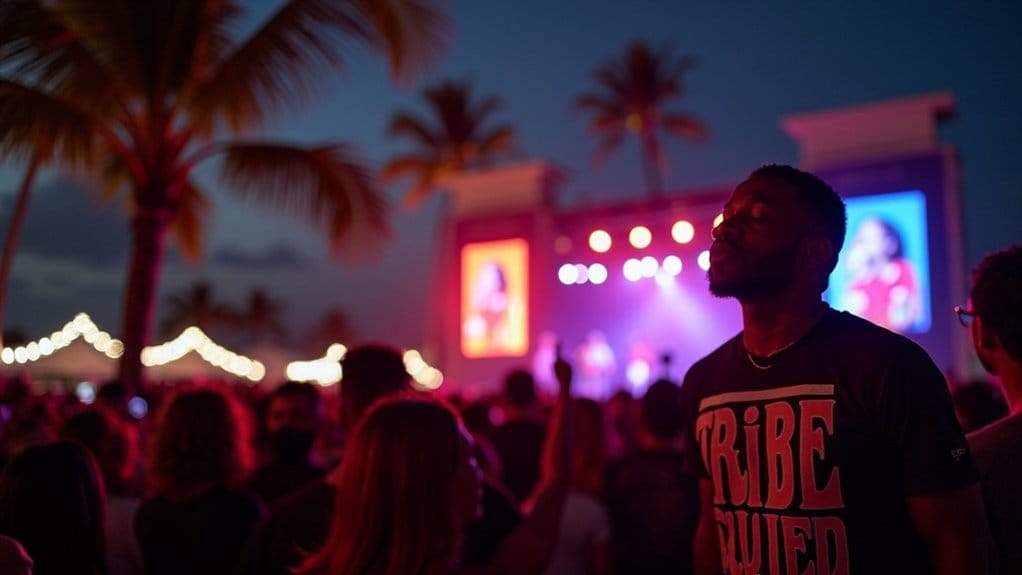
Miami’s hip-hop scene is vibrant and dynamic, showcasing a variety of events throughout the year that highlight the genre’s significance in the city. Among the notable festivals, Rolling Loud is perhaps the most recognized, drawing large crowds and featuring top-tier artists.
Additionally, Miami’s Hip Hop Day Festival pays homage to the genre’s roots, celebrating its cultural foundations.
These festivals are thoughtfully designed to reflect Miami’s unique character. Attendees can enjoy not just music, but also curated food vendors, local art installations, and community-centric programming that enriches the overall experience beyond the performances themselves.
Miami’s venues cater to a wide range of audiences and event sizes:
- Bayfront Park is ideal for large outdoor concerts, offering picturesque waterfront views that increase the experience.
- American Airlines Arena provides a climate-controlled environment for high-production shows, making sure comfort for concert-goers.
- Smaller venues play a crucial role in showcasing local talent, giving emerging artists the platform they need to grow and connect with their audience.
- Pop-up events scattered throughout various neighborhoods offer intimate experiences that are often culturally specific, promoteing a deeper connection with the local community.
This robust infrastructure not only supports established hip-hop icons but also nurtures new voices in the industry.
The continuous evolution of hip-hop in Miami reflects the city’s diverse and multicultural landscape, making it a key player in the genre’s future.
Essential Vinyl and Merchandise Shops for ATCQ Fans in Miami
For fans of A Tribe Called Quest (ATCQ) in Miami, the city boasts a variety of independent record stores and specialty shops that cater specifically to those interested in the group’s influential music and related merchandise.
Vinyl enthusiasts will find a wealth of options at Sweat Records and The Sound Factory. These record stores not only stock ATCQ’s complete discography but also feature rare underground hip-hop pressings. They serve as cultural hubs where fans can connect over a shared love for the Native Tongues movement and hip-hop in general, strengthening a sense of community among collectors.
| Venue Type | ATCQ Offerings |
|---|---|
| Record Stores | Full discography, rare pressings |
| Official Online Store | Exclusive apparel, collectibles |
| Hip-Hop Festivals | Limited merchandise booths |
| Flea Markets | Vintage clothing, memorabilia |
The pursuit of merchandise extends beyond brick-and-mortar shops. Events like Rock the Bells feature vendor booths with exclusive ATCQ items, making them must-visit occasions for dedicated fans. Additionally, local flea markets and pop-up shops often present unique opportunities for discovering vintage clothing and memorabilia, turning the hunt into an engaging experience.
Experiencing Hip-Hop Culture in Miami Today
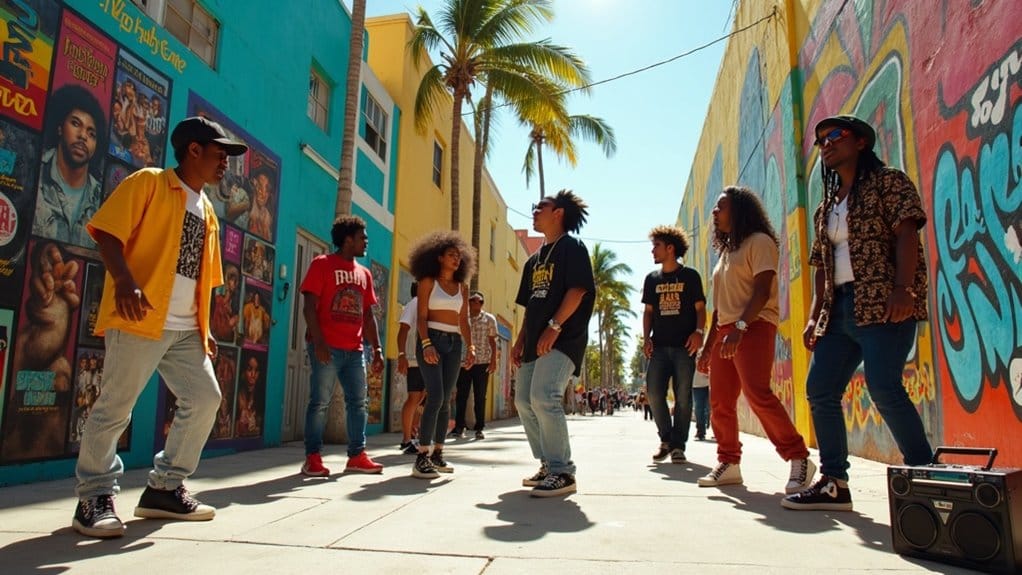
Hip-hop culture has become a significant part of American society, and in Miami, this influence is particularly evident. The city’s hip-hop scene is vibrant and diverse, showcasing a blend of musical innovation and cultural expression. Large events like Rock the Bells attract over 10,000 attendees, celebrating legendary artists such as A Tribe Called Quest, Nas, and De La Soul. These gatherings highlight hip-hop’s lasting influence on both music and social consciousness.
Fashion plays a vital role in hip-hop culture, with many fans wearing vintage merchandise from iconic groups like A Tribe Called Quest. This connection to the genre’s history emphasizes the importance of style in expressing identity within the hip-hop community.
Lyrical content also remains crucial; many performances address pressing social and political issues, reflecting hip-hop’s roots in activism. This aspect of the genre allows artists to engage with their audience on deeper levels, strengthening a sense of unity and awareness.
Miami’s unique cultural landscape further enriches its hip-hop scene. Local artists often incorporate Caribbean and Latin rhythms into their music, creating a distinctive sound that sets Miami apart from other hip-hop hubs.
However, hosting outdoor festivals like Rock the Bells comes with its challenges. The intense Miami heat and high concession prices can impact the overall concert experience. Despite these hurdles, the authenticity of enjoying hip-hop in such a lively environment resonates with attendees, making it a memorable experience.