
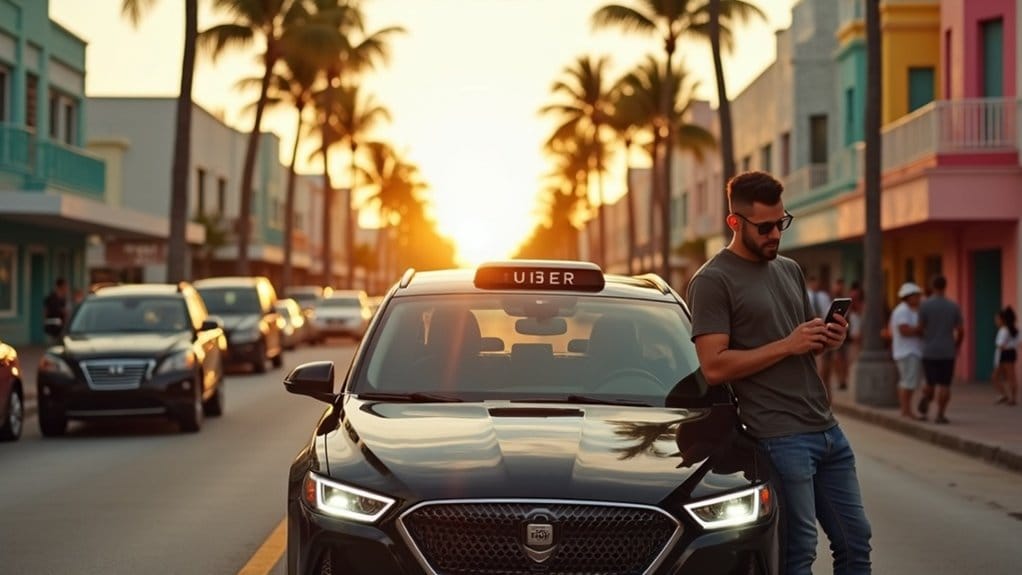
Are you considering becoming an Uber driver in Miami and wondering what you might earn? It’s a common question, especially with the city’s vibrant nightlife and bustling tourist spots. Understanding the potential income can help you decide if this gig is right for you.
In Miami, earnings can vary significantly based on factors like timing and location. While some drivers share stories of making good money during peak hours, others find that expenses can eat into their take-home pay. Fuel and maintenance can add up quickly, impacting your overall income.
If you’re curious about how to maximize your earnings, strategic driving in popular areas could make a big difference. Keep reading to uncover the details that could help you direct your journey as an Uber driver in this dynamic city.
What Uber Drivers in Miami Make Per Hour and Per Week
Understanding Uber Driver Earnings in Miami
Uber drivers in Miami typically earn between $15 and $25 per hour after expenses. This translates to weekly earnings ranging from $600 to over $1,000, depending on various factors.
When analyzing how much Uber drivers make in Miami, it’s important to recognize that earnings are closely linked to strategic operational choices. For instance, drivers who work during peak demand times in busy areas like South Beach and Brickell often achieve higher hourly rates.
In contrast, those who choose to drive during off-peak hours generally earn closer to the baseline rates. The difference of up to $10 per hour highlights a significant 67% variance in potential earnings.
Most drivers work between 40 to 50 hours a week, but actual earnings can fluctuate based on several elements, including surge pricing, trip lengths, and the areas where drivers choose to operate.
To maximize earnings, it’s crucial for drivers to position themselves strategically during high-demand times. By doing so, they can significantly increase their chances of reaching the higher end of the earnings spectrum.
Understanding these dynamics can help drivers make informed decisions about when and where to drive, ultimately increasing their overall income potential.
What It Costs to Drive Uber in Miami: Gas, Tolls, and Maintenance
Operating an Uber in Miami involves several important costs that can significantly affect your earnings. On average, you can expect to spend around $624 on fuel each month. This amount can fluctuate based on how often you drive and current gas prices.
In addition to fuel, maintenance expenses are another critical factor. Routine checks and necessary repairs typically cost about $608 monthly. When assessing your potential earnings as an Uber driver in Miami, it’s essential to account for these maintenance costs, as well as insurance premiums and vehicle depreciation, which can further diminish your gross income.
Another aspect to consider is Miami’s toll roads, especially if you frequently drive to the airport. The tolls can add up quickly, impacting your overall profitability.
As an independent contractor, keeping a detailed record of your expenses is vital. This practice not only helps clarify your actual earnings but also maximizes your tax deductions.
Overall, these combined costs can consume 40-50% of your gross revenue. Therefore, monitoring your expenses closely is crucial for understanding your true net income as an Uber driver in Miami.
When Surge Pricing Hits in Miami: Events, Zones, and Best Hours to Drive
Understanding Surge Pricing in Miami: Key Times and Areas for Uber Drivers
Surge pricing in Miami occurs when the demand for rides exceeds the number of available drivers. This pricing model is particularly active during specific times and locations. To maximize earnings, it’s crucial for Uber drivers to be aware of these peak periods and high-demand zones.
Peak Timeframes for Surge Pricing:
- Weekend Evenings: Surge pricing is most common on Friday and Saturday nights, typically from 10 PM to 3 AM.
- Major Cultural Events: Events like Art Basel can trigger significant increases in ride demand.
- High-Profile Sporting Events: Popular games at venues such as Hard Rock Stadium and FTX Arena often lead to surge pricing.
High-Surge Zones:
To optimize earnings, drivers should focus on specific areas known for higher surge multipliers:
| Zone | Surge Multiplier Range |
|---|---|
| South Beach | 2.0x – 3.5x |
| Brickell/Downtown | 1.8x – 2.8x |
| Wynwood/Design District | 1.5x – 2.3x |
Positioning yourself within these high-surge zones during peak demand times can significantly increase your earnings. For instance, drivers who actively monitor event calendars and adjust their driving schedules accordingly often see fare increases of 100-200% during major events.