
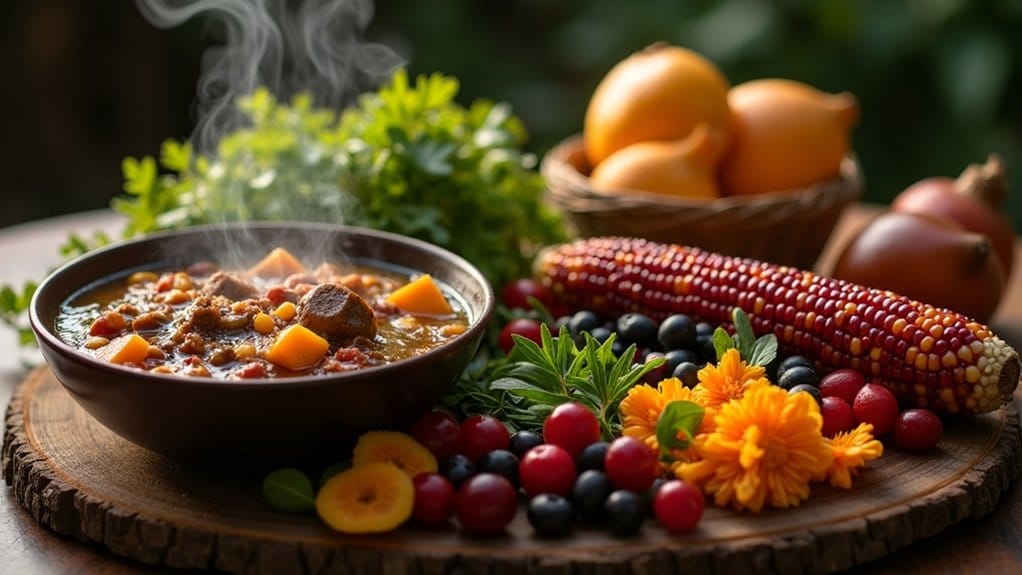
Are you curious about what the Miami tribe ate and how their diet shaped their way of life? Understanding the food practices of this vibrant community can reveal much about their culture, sustainability, and resource management. The Miami tribe was known for their innovative agricultural techniques, particularly their cultivation of the Three Sisters—corn, beans, and squash. These crops not only provided a significant portion of their calories but also fostered a deep connection to the land.
In addition to farming, they engaged in hunting and foraging, gathering seasonal foods that added diversity to their meals. Their methods of preparation, using fire pits and clay pots, reflect a rich culinary tradition that adapted to the changing seasons. Curious to learn more about the specific foods and practices that defined their diet? Let’s explore further!
The Three Sisters: Corn, Beans, and Squash in the Miami Diet
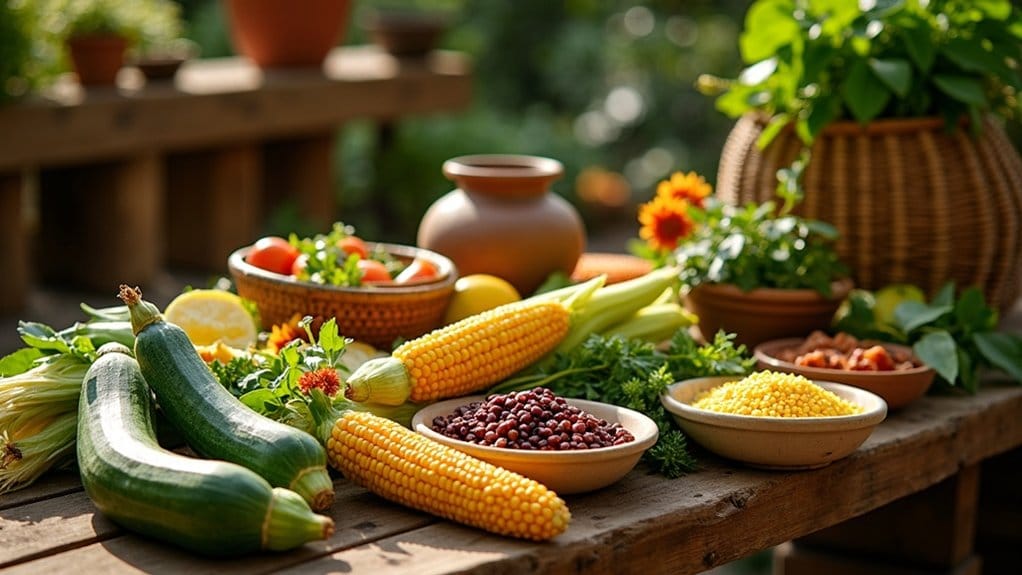
The Miami Tribe’s agricultural system was built around the Three Sisters: corn, beans, and squash. This intercropping method not only sustained their communities for centuries but also exemplified their deep understanding of ecological relationships. By 1000 AD, corn made up about 50% of the Miami diet, serving as the primary staple food.
In this system, corn is planted first. Once it establishes itself, beans are sown among the corn. The bean plants climb the corn stalks for support and, in turn, enrich the soil with nitrogen, which benefits both the corn and the overall ecosystem.
Squash is planted at the base of the mound, where it helps retain moisture in the soil and suppresses weeds, allowing the crops to thrive together.
This agricultural practice not only provided nutritional diversity but also ensured food security for the Miami Tribe throughout the seasons. While hunting and foraging supplemented their diet, the Three Sisters formed the backbone of their agricultural approach.
This method fostered community stability, as the shared harvests encouraged collaboration and sustainable land management practices.
Understanding the role of the Three Sisters in the Miami Tribe’s diet highlights the importance of traditional agricultural practices and their relevance to sustainable food systems today.
Buffalo and Deer: Hunting Across the Great Lakes Prairies
Buffalo and Deer: Hunting Across the Great Lakes Prairies
In the Great Lakes region, Miami hunters have developed effective strategies for hunting buffalo and deer, shaped by generations of knowledge and practice. These hunters utilized techniques such as controlled fire drives, which helped guide herds into specific areas for efficient hunting. This method required a deep understanding of animal behavior, including migration patterns and seasonal timing, to optimize hunting success.
Buffalo hunting was particularly vital for the Miami people. Buffalo provided not only a crucial source of meat for sustenance but also hides that were essential for making clothing and constructing shelters. This highlighted the buffalo’s importance in both daily life and cultural practices, making it a cornerstone of Miami survival.
The transmission of hunting skills was an important aspect of Miami culture. Experienced hunters mentored younger generations, ensuring that knowledge and techniques were passed down effectively. This apprenticeship system helped maintain a high level of hunting proficiency within the community.
Moreover, the tribe’s seasonal migrations were closely tied to the availability of game. By following animal movements and adapting to environmental changes, the Miami people demonstrated a sophisticated approach to resource management. This adaptability not only supported their survival but also reflected a deep connection to their environment.
Through these practices, the Miami tribe has maintained a rich tradition of hunting that showcases their expertise and understanding of the Great Lakes ecosystem.
Cooking Methods: Fire Pits, Clay Pots, and Earth Ovens
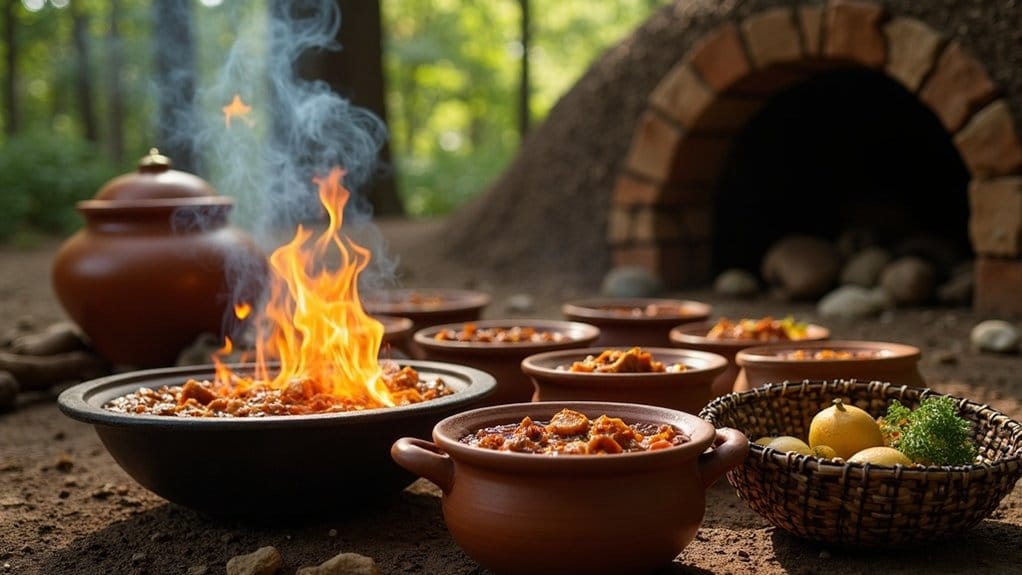
After successful hunts across the prairies, Miami cooks skillfully transformed raw game and harvested crops into nourishing meals using three primary cooking methods: fire pits, clay pots, and earth ovens.
These cooking methods highlight the Miami tribe’s resourcefulness and culinary adaptability:
- Fire pits are essential for providing direct heat, allowing cooks to roast meats and vegetables. This method forms the basis of daily meal preparation, making it straightforward and effective.
- Clay pots are instrumental in slow-stewing fresh vegetables with game meats. This technique creates flavorful, nutrient-rich combinations that maximize the use of available ingredients. The slow cooking process helps meld flavors and enhance the overall dish.
- Earth ovens involve using hot stone-lined pits to cook larger cuts of meat or whole vegetables. This method intensifies flavors through extended, low-temperature cooking, making it ideal for bigger meals.
These cooking methods vary with the seasons, reflecting the Miami people’s deep understanding of ingredient availability and effective cooking techniques throughout the year.
Seasonal Miami Foods: Maple Sugar, Wild Rice, and Berries
The Miami people have a deep-rooted connection to their environment, which is evident in their seasonal food gathering practices. They skillfully synchronized their harvesting with nature’s cycles, focusing on three essential resources: maple sugar, wild rice, and berries.
In spring, the Miami families tapped maple trees to collect sap. This sap was transformed into syrup, not only serving as a sweetener but also as a valuable trade item. The process of making maple sugar highlights the community’s understanding of local resources and the importance of sustainable practices.
Summer was a time for berry picking, where families gathered strawberries, blackberries, and blueberries. These berries weren’t just delicious; they provided vital vitamins and added flavor to meals. This seasonal activity reflects how the Miami people utilized their natural surroundings to enhance their diet.
Wild rice harvesting occurred in lakes and rivers, yielding a nutritious grain that complemented staples like beans, corn, and squash. Wild rice is an important part of the Miami diet, known for its health benefits and versatility in cooking.
To ensure a steady supply throughout the winter, the Miami employed preservation techniques for berries and wild rice. By drying and storing these foods, they demonstrated effective resource management that allowed them to thrive even in colder months.
Miami Tribe Foods in Oklahoma: What Survived Relocation
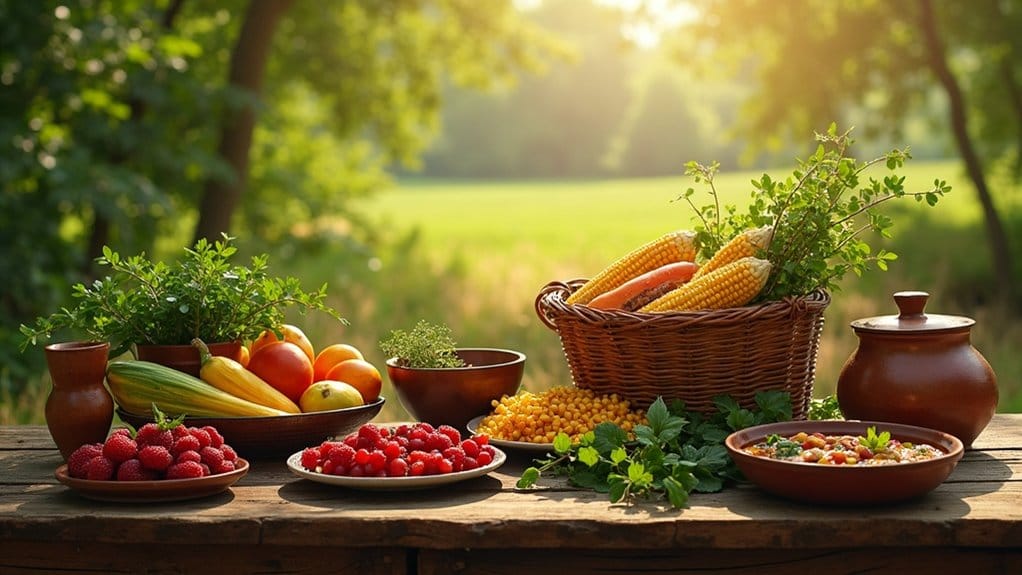
The forced relocation of the Miami people to Oklahoma in the 1840s significantly impacted their community, but it also sparked a strong commitment to preserving their culinary heritage. The Miami Tribe carried essential elements of their culture, including seeds, agricultural knowledge, and cooking traditions that have played a crucial role in their survival and identity.
One of the key agricultural practices that survived this displacement is the Three Sisters cultivation method, which involves growing corn, beans, and squash together. This traditional approach not only maximizes crop yield but also enhances soil fertility and provides a balanced diet.
Another vital aspect of Miami culinary tradition is the use of maize-based preparations. Corn remains a staple in their diet, with cornbread serving as a central dish. Over the years, Miami cooks have adapted recipes by incorporating locally available ingredients, ensuring that these meals reflect both tradition and contemporary tastes.
In addition to agriculture, the Miami community has maintained seasonal hunting practices. Techniques such as deer hunting and controlled burns have been essential for sourcing protein and managing the local ecosystem. These practices highlight the tribe’s deep connection to the land and their understanding of sustainable resource management.
Today, modern Miami communities actively engage in educational gatherings that focus on culinary heritage. These events not only celebrate traditional foodways but also foster a sense of identity and continuity. By blending historical recipes with current ingredients, the Miami Tribe ensures that their culinary traditions remain relevant and vibrant, honoring their ancestors while adapting to today’s world.