
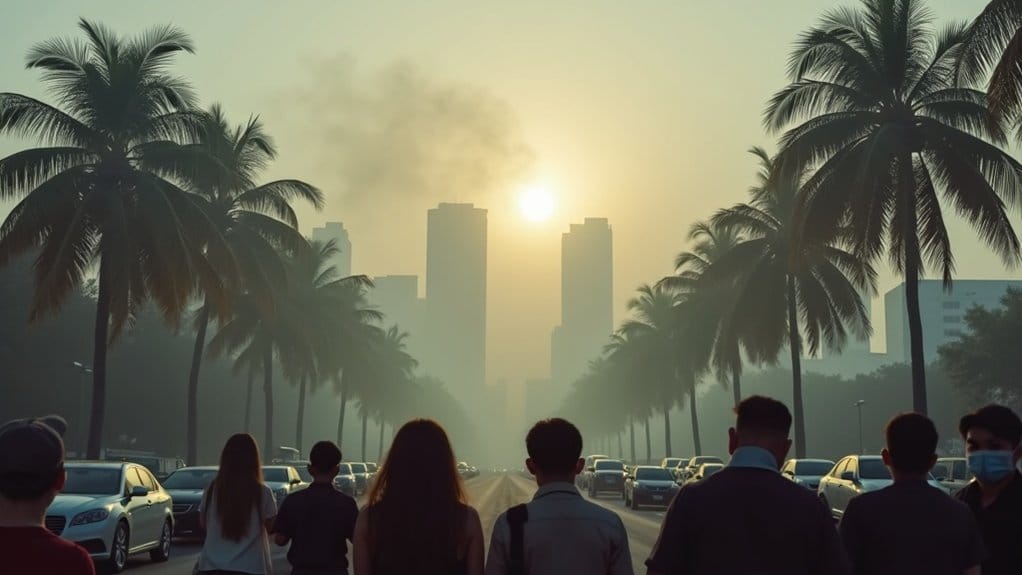
Are you wondering why the air quality in Miami seems so poor today? Many residents are feeling the effects, and understanding what’s happening can help you stay safe.
Today, stagnant air and weak winds are causing pollutants to linger close to the ground. This isn’t just a minor issue; it’s affecting everyone, especially those who are more sensitive to air quality changes. Betterd levels of ground-level ozone and carbon monoxide are making it tougher to breathe, and the city is even ranking lower on the pollution scale compared to other areas in Florida.
With rising temperatures and little rain to clear the air, it’s important to know how these factors might impact your daily activities. Stay tuned to learn more about what you can do to protect yourself and your loved ones.
Miami’s AQI Right Now: Current Reading and What It Means for You
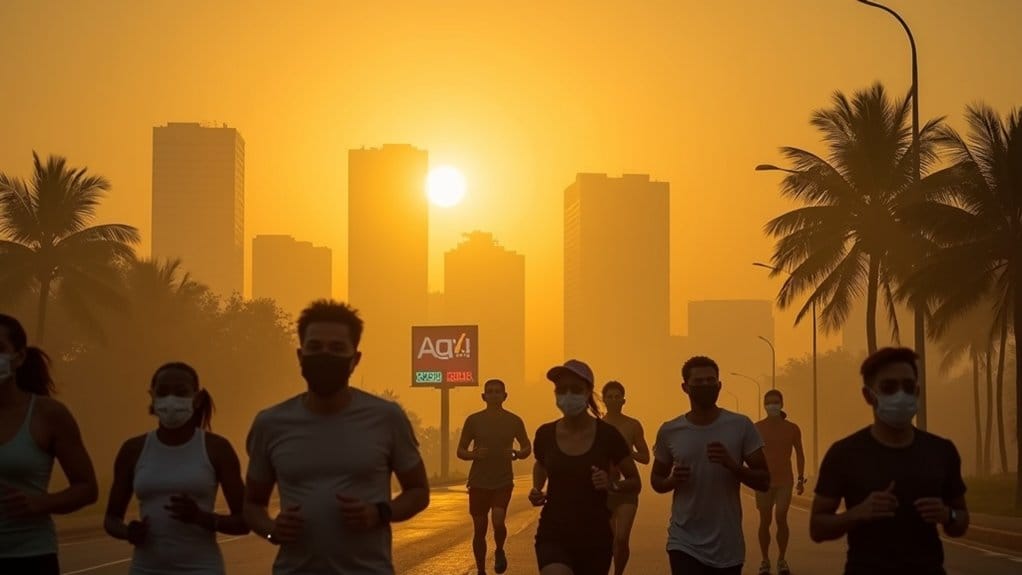
Understanding Miami’s Air Quality Index (AQI)
As of now, Miami’s air quality is a concern, with ground-level ozone measured at 68 µg/m³ and carbon monoxide at 123 µg/m³. These pollutants can lead to respiratory issues and headaches, making it important for residents to stay informed about their levels.
The current air quality forecast indicates “Poor” conditions in the coming days, which means vulnerable populations, such as those with asthma or other respiratory conditions, should take precautions. This includes limiting outdoor activities, especially during peak pollution hours.
Despite meeting federal standards for PM2.5 and ozone since 2009, Miami ranks 28th among Florida cities for pollution. This highlights ongoing challenges with air quality that residents should be aware of.
It’s crucial to monitor these pollution metrics regularly, as they can fluctuate due to various factors like weather conditions and traffic patterns.
Keeping an eye on local air quality reports can help you make informed decisions about your daily activities and health.
Which Pollutants Are Causing Today’s Poor Air Quality in Miami?
Understanding Poor Air Quality in Miami
Miami is currently experiencing poor air quality primarily due to betterd levels of several pollutants. Ground-level ozone (O3) is a significant concern, measuring 68 µg/m³. This pollutant can exacerbate respiratory issues and lead to discomfort such as headaches, particularly for vulnerable individuals.
Another pollutant affecting the air quality is carbon monoxide (CO), with concentrations reaching 123 µg/m³. Exposure to carbon monoxide can cause symptoms like headaches and nausea, posing risks especially for those with pre-existing health conditions.
Particulate matter also plays a role in Miami’s air quality challenges. PM10 levels are at 29 µg/m³, which can lead to throat irritation and other respiratory complications.
Fine particulate matter (PM2.5) is present at 8 µg/m³ and poses a greater risk as it can penetrate deep into the lungs, affecting cardiovascular health, especially in sensitive populations such as the elderly or those with heart conditions.
Lastly, nitrogen dioxide (NO2) is measured at 15 µg/m³. This pollutant is linked to respiratory infections and can further compromise lung health.
The combination of these pollutants contributes to Miami’s “Poor” Air Quality Index (AQI) classification.
It’s essential for residents to take precautions during outdoor activities, especially if they’ve respiratory issues or other health concerns. By understanding these pollutants and their effects, you can better protect your health and make informed decisions about outdoor exposure.
Why Today’s Weather Patterns Are Trapping Pollution Over Miami?

Why Today’s Weather Patterns Are Trapping Pollution Over Miami
Today’s weather patterns in Miami are contributing to poor air quality by trapping pollutants close to the ground. Several atmospheric conditions are at play here, and understanding them can help residents guide the challenges posed by air quality issues.
When air masses stagnate over the region, they prevent vertical mixing, which is crucial for dispersing pollutants. This means that harmful substances remain concentrated at ground level. In Miami’s tropical climate, limited air circulation exacerbates this problem, as pollutants struggle to disperse.
High temperatures, particularly those exceeding 85°F, further complicate the situation. Warm weather accelerates the formation of ozone at ground level through photochemical reactions involving nitrogen oxides (NOx) and volatile organic compounds (VOCs). This process leads to heightened ground-level ozone concentrations, which can pose health risks.
Additionally, limited rainfall in the area fails to wash away accumulated particulate matter (PM2.5). For instance, current PM2.5 levels are around 8 μg/m³, which can accumulate without sufficient rainfall to clear them.
Weak wind patterns also play a role by reducing the horizontal transport and dilution of pollutants, allowing them to linger in the air.
As a result of these combined meteorological factors, the current ground-level ozone concentration is approximately 68 μg/m³. This situation results in an atmospheric lid that traps industrial emissions and pollutants from sources like cruise ships, exacerbating the air quality concerns for Miami residents.
Understanding these weather patterns helps us recognize the importance of monitoring air quality and taking precautions during episodes of poor air conditions. By being informed, we can better protect our health and well-being.
Who Should Avoid Outdoor Activity and How to Protect Yourself?
Who Should Avoid Outdoor Activity and How to Protect Yourself
Understanding how weather patterns affect air quality is crucial for recognizing those at higher risk from polluted conditions. Sensitive groups, such as individuals with respiratory issues, children, and the elderly, should avoid outdoor activities when the Air Quality Index (AQI) reaches 51.
At this level, pollutants like ground-level ozone (68 μg/m³) and PM10 (29 μg/m³) can lead to health issues, including wheezing and shortness of breath.
To protect yourself, it’s best to stay indoors during peak pollution times. Using air purifiers can help create a safer indoor environment by filtering out harmful particles.
For active adults and children, it’s wise to limit extended outdoor activities to reduce exposure to pollutants.
If you need to be outside, wearing an N95 mask can provide important protection against fine particulate matter, such as PM2.5, which is currently at 8 μg/m³.
These masks effectively filter out harmful particles, making it safer to breathe while outdoors.