Are you looking to discover the best running spots in Miami? With the city’s vibrant landscape and warm climate, finding the perfect route can be a game changer for your fitness routine. Whether you’re a seasoned runner or just starting out, knowing where to run can significantly boost your motivation and enjoyment.
Miami boasts a variety of scenic paths that cater to different running styles and preferences. From oceanfront trails to shaded parks, there are options that can help you beat the heat and stay excited. But with so many choices, how do you decide which routes are right for you?
Stay tuned as we analyze the top running locations in Miami, highlighting their unique features and how they can improve your running experience.
Best Waterfront Running Routes: Miami Beach and Downtown Loops
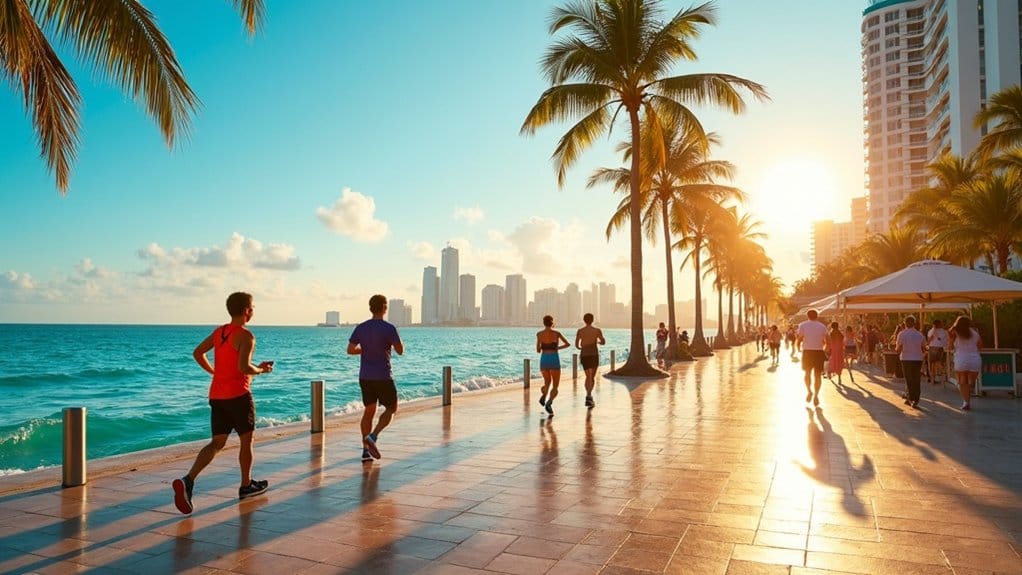
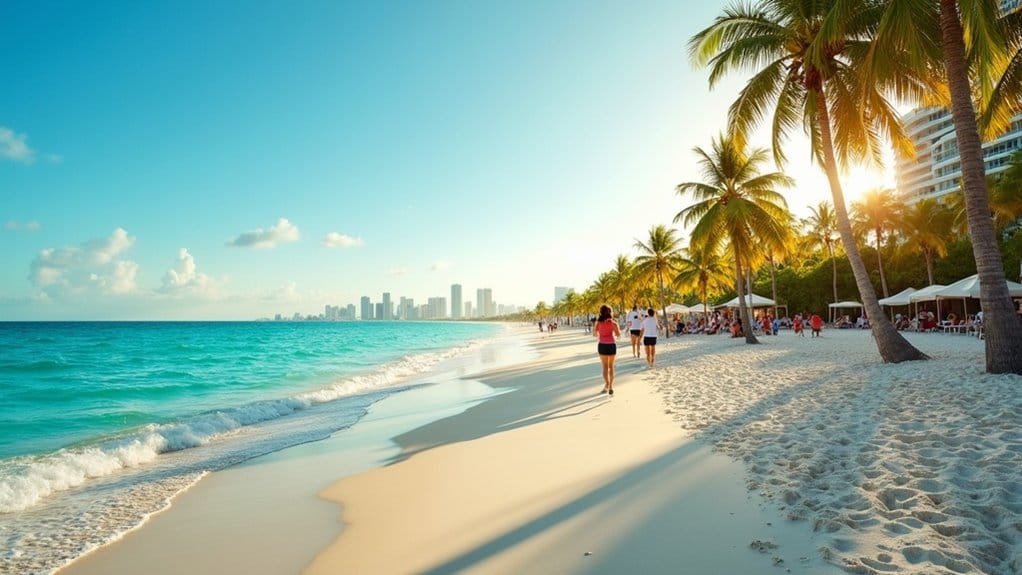
Miami’s waterfront running routes offer an excellent blend of ocean breeze, stunning views, and well-maintained surfaces, making them perfect for runners looking to log high mileage. A great starting point is the Miami Beach Boardwalk, which features a 7-mile paved path along the Atlantic Ocean. This route is particularly suited for tempo runs and long intervals, allowing you to enjoy the scenery while maintaining your pace.
For a change of scenery, consider heading to Downtown Miami. The Bayshore and Riverwalk paths provide a vibrant urban atmosphere alongside beautiful waterfront views, creating an stirring up backdrop that can naturally boost your speed.
To connect these two popular areas, the Venetian Causeway offers a 3-mile out-and-back route. This path serves well as a recovery run, giving you a chance to unwind while still enjoying the surroundings. It’s also a good option for hill work, helping to build strength in your legs.
For those looking for more of a challenge, South Pointe Park features an 8.7 km loop with technical turns and wind resistance. This route can help develop mental toughness and adaptability, crucial traits for any serious runner.
Incorporating these waterfront routes into your training regimen will help you avoid adaptation plateaus and keep your workouts engaging.
Whether you’re focusing on speed, endurance, or recovery, Miami’s waterfront options have something to offer every runner.
Long-Distance Running Routes: 7+ Mile Paths and Extended Loops
To build endurance and log serious mileage in Miami’s training-friendly climate, it’s important to have reliable long-distance routes.
The Miami Beach Boardwalk offers a full 7-mile stretch that’s perfect for establishing your distance baseline. If you’re looking for a challenge, the Rickenbacker Causeway provides an out-and-back route that will test your mental toughness with its wind and elevation changes.
For those wanting to extend their weekly long runs, you can combine the southern segments of the Underline Trail with connecting paths, allowing you to create customizable loops that can easily push beyond 10 miles.
Now that you have some solid routes in mind, let’s check out other aspects of your training regimen.
Miami Beach Boardwalk Extension
The Miami Beach Boardwalk offers a well-maintained 7-mile paved path along the Atlantic coastline, stretching from South Beach’s Art Deco district to 87th Terrace. This area features some of the flattest terrain in Miami, making it ideal for runners looking to maintain a consistent pace and build aerobic endurance.
For those planning to run, starting before 7 AM is advisable. This timing helps you avoid crowds and allows you to benefit from the refreshing ocean breeze, which can aid in regulating your body temperature.
The boardwalk connects to the pathways in Lummus Park, giving you the option to extend your run beyond 10 miles. Along the route, you’ll find public restrooms and water fountains approximately every mile, which are essential for staying hydrated during longer runs.
If you prefer evening workouts, timing them to coincide with the sunset can boost your experience. The natural light during this time can help you avoid the intense midday heat while still allowing for a productive session.
Rickenbacker Causeway Challenge
Rickenbacker Causeway Challenge: A Great Option for Serious Runners
The Rickenbacker Causeway provides a unique opportunity for serious distance runners looking for elevation challenges. Unlike the flat Miami Beach Boardwalk, this 7-mile route features substantial climbs, most notably at the William Powell Bridge, which stands as South Florida’s highest point at 80 feet.
Starting at Hobie Beach offers convenient access, with free parking, restrooms, and water fountains available. The climbing involved on the Causeway not only boosts cardiovascular fitness but also builds leg strength, particularly in the quadriceps.
As you run, you’ll enjoy stunning views of the Miami skyline, the Port of Miami, and Biscayne Bay, making the experience visually rewarding as well.
For those looking to extend their workout beyond 14 miles round-trip, consider continuing to the Crandon Park Nature Trail. This extension offers softer surfaces and shaded areas, providing a more comfortable running experience, especially in the warmer months.
Overall, the Rickenbacker Causeway stands out as a premier training location, comparable to New York’s Central Park in terms of atmosphere and appeal.
It attracts dedicated runners and cyclists throughout the year, making it a vibrant hub for those committed to their fitness goals.
Underline Trail Southward
Underline Trail Southward
The Underline Trail stretches 9 miles beneath Miami’s Metrorail, offering an excellent option for urban runners seeking a comfortable environment to train. Starting at Brickell Metrorail Station and continuing south through Coral Gables, this trail provides a well-maintained path that is protected from the strong South Florida sun.
Key Features of the Underline Trail
| Trail Feature | Runner Consideration |
|---|---|
| Distance | 9 miles one-way (18 miles round-trip) |
| Terrain | Flat, paved surface suitable for all fitness levels |
| Hydration | Water available only at Metrorail stations; carry your own fluids |
| Facilities | Restrooms located at Metrorail stops |
| Surface Quality | Maintained to an excellent standard |
The flat, paved surface makes the Underline Trail accessible for runners of all abilities, making it a great choice for both casual joggers and serious athletes. It’s important to plan your hydration, as water fountains are limited to Metrorail stations.
As you guide the trail, keep to the right and signal when passing others to make sure a safe and enjoyable experience for everyone. Future plans for the trail include extensions that may provide even more distance options, making it an increasingly valuable resource for marathon training and other long-distance runs.
Shaded Routes for Summer: Parks and Tree-Lined Neighborhood Streets
Miami’s summer heat makes it important to choose your routes wisely to keep your training effective while avoiding heat exhaustion.
Parks with mature tree cover and older residential neighborhoods usually offer the best shade. Look for paths that provide consistent overhead protection—morning temperatures can differ by 10-15°F between shaded and exposed areas, which can really affect your pace and recovery.
Speaking of maintaining your training, let’s discuss some tips for staying cool and safe while running in the heat.
Best Shaded Parks
Best Shaded Parks for Running in Miami
Running in Miami during the summer can be challenging due to the heat. However, choosing the right parks can help you stay cool and maintain your training routine. Here are some of the best shaded parks that offer protection from the sun while you log your miles.
| Park | Trail Distance | Key Features |
|---|---|---|
| Amelia Earhart Park | 14 miles | Features dense tree coverage and multiple route options. |
| Oleta River Park | Varied loops | Florida’s largest urban park, providing a natural canopy. |
| Morningside Park | 1 mile | Offers waterfront paths with a paved surface. |
When running in these parks, it’s important to wear appropriate gear. Trail shoes can provide better traction on natural surfaces, especially in parks like Amelia Earhart and Oleta River, where the terrain varies. Hydration is crucial, so consider drinking water before your run and carrying fluids for longer distances.
Amelia Earhart Park stands out for its extensive network of trails, allowing you to customize your distance while staying shaded. Oleta River Park’s natural landscape creates cooler microclimates, making it an excellent choice on hotter days. Morningside Park, with its shorter mile, is ideal for quick runs along the waterfront.
Tree-Canopied Neighborhood Routes
Tree-Canopied Neighborhood Routes: A Smart Choice for Summer Running
When summer temperatures rise, choosing tree-canopied neighborhood routes can significantly increase your running experience. The shade provided by dense tree cover helps regulate your core temperature, allowing you to conserve energy and maintain better performance.
Coconut Grove, with its lush, tree-lined streets and waterfront areas, offers an excellent environment for summer training. The combination of shade and natural beauty not only helps keep you cool but also reduces your exposure to harmful UV rays and improves air quality.
Running in such areas enables you to breathe easier, thanks to the oxygen filtered through the canopy.
Coral Gables also presents a compelling option, featuring historic charm alongside mature tree-lined boulevards. These established canopies create a more comfortable atmosphere, helping you sustain your pace without succumbing to heat fatigue.
Research supports the benefits of tree coverage; studies indicate that ambient temperatures can drop by 10 to 15 degrees in shaded areas. This means you can extend your training sessions and maintain higher intensity levels when you choose shaded routes for your summer runs.
Key Biscayne and Virginia Key: Island Causeway Running Routes

Key Biscayne, connected to the mainland by the Rickenbacker Causeway, offers a unique running experience in South Florida. The causeway features an 80-foot elevation, the highest point in the region, providing runners with a chance to engage in elevation training while enjoying stunning views of Biscayne Bay.
Running Locations and Features
| Location | Terrain Features | Runner Amenities |
|---|---|---|
| Rickenbacker Causeway | Flat terrain with an 80ft bridge elevation | Dedicated bike and running lanes |
| Hobie Beach | Access to sandy shorelines | Free parking, showers, and bathrooms |
| Crandon Park | Shaded nature trails | Quiet, traffic-free environment |
Begin your run at Hobie Beach, where you can take advantage of the available facilities. This spot is ideal for a warm-up or cooldown, with easy access to showers and restrooms. Afterward, head onto the Rickenbacker Causeway. The elevation provides not only a workout but also breathtaking views that can make your run more enjoyable and motivational.
For those seeking softer surfaces, the Atlantic-facing trails on Virginia Key offer an excellent alternative for beach running. These trails allow you to experience a different aspect of the area while providing a comfortable running environment.
Finally, consider Crandon Park for recovery-focused sessions. The shaded nature trails here are perfect for maintaining a steady pace in a serene setting, away from traffic. This makes it a great option for those looking to incorporate recovery days into their training routine without urban distractions.
Coral Gables and Coconut Grove: Historic Neighborhood Routes
Coral Gables and Coconut Grove offer some of the best training spots in Miami. With their historic architecture and lush canopies, these neighborhoods provide a nice blend of scenery and comfort during long runs.
The tree-lined streets in Coral Gables are perfect for tempo runs and interval training, thanks to their flat surfaces. If you’re looking for a measured distance, Tropical Park’s track is a great option for speed work.
Over in Coconut Grove, the waterfront paths offer a nice mix of elevation and scenic views that can keep your runs interesting without feeling repetitive.
Speaking of variety, let’s look into some other great running routes in the area.
Coral Gables Running Routes
Coral Gables and Coconut Grove offer some of the best running routes in Miami, making them ideal for runners of all levels. These historic neighborhoods feature shaded residential streets, scenic waterfront paths, and dedicated training facilities that increase your running experience.
One excellent option is the Granada Golf Course loop, a 1.5-mile circuit that takes you past beautiful architecture and well-maintained landscapes. This route is perfect for tempo runs and active recovery days, allowing you to focus on your pace while enjoying the scenery.
For those looking to build endurance, the 2-mile Sunset Lake route provides a refreshing waterfront experience. The natural surroundings not only offer a cooling effect but also help keep your mind engaged during longer runs.
In Coconut Grove, the tree-lined residential streets allow for various route configurations, making it easy to increase your weekly mileage. Additionally, you can use Tropical Park’s dedicated track for interval training and speed work, which is essential for improving your running performance.
The running culture in these neighborhoods is vibrant, highlighted by community events like the Livelong for Livestrong half marathon and 5K. These events provide structured opportunities for race-day preparation, helping you connect with fellow runners and increase your training regimen.
Overall, Coral Gables and Coconut Grove present a wealth of options for runners, combining beautiful landscapes with supportive community resources.
Whether you’re a beginner or an experienced runner, these routes can effectively meet your training needs.
Coconut Grove Waterfront Trails
Coconut Grove’s waterfront trails offer a unique blend of performance benefits and beautiful scenery, making them an excellent choice for runners. The views of Biscayne Bay can provide a refreshing mental boost during more challenging workouts.
For those looking to maintain their pace in Miami’s humid climate, the shaded residential streets are particularly advantageous, as they minimize sun exposure.
For structured workouts, the 1-mile Morningside Park trail is a great option. It allows you to focus on interval training or tempo runs while enjoying the waterfront scenery.
If you’re looking to add more distance, consider extending your run into Coral Gables, where you can analyze the area’s historic architecture. The flat terrain along these routes supports efficient stride mechanics, helping you develop a steady cadence.
A practical tip for running in Miami is to confirm you stay hydrated. Carry water from the beginning of your run, as the heat can be intense and requires proactive fluid intake.
Early morning sessions are ideal since temperatures are typically cooler and the waterfront breezes can provide natural relief.
Miami’s Top Paved Trails: The Underline, Oleta River, and Boardwalks
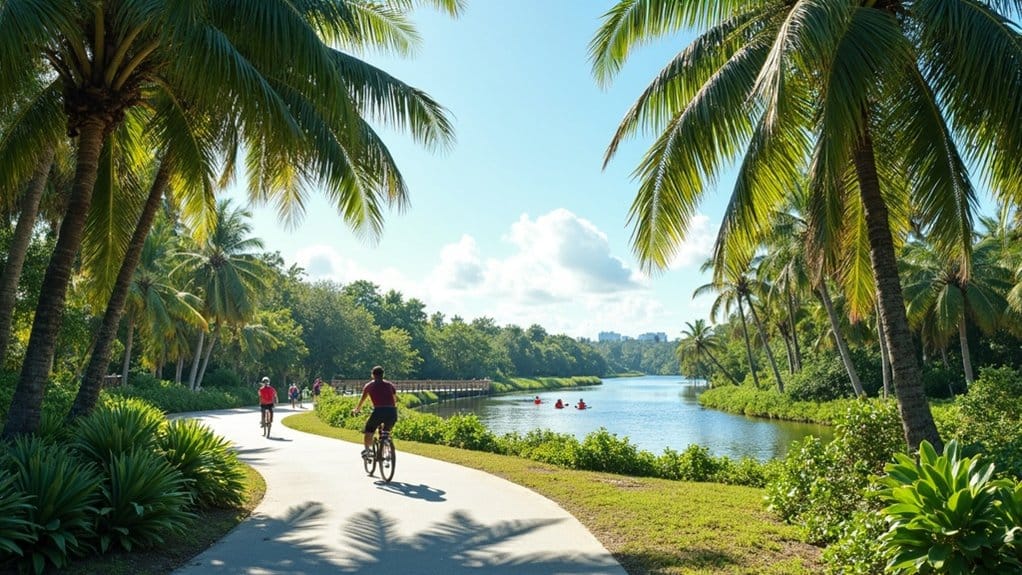
Miami’s paved trail network offers reliable surfaces and well-defined routes, making it easier for runners to track their pace, monitor splits, and engage in structured training.
The Underline is a standout feature, stretching 9 miles along US-1 from Brickell to Coral Gables. This trail is well-maintained, providing a shaded path through the Metrorail corridor.
However, it’s important to plan hydration stops at the nearby rail stations, as water fountains along the trail are limited.
Oleta River State Park presents a different training experience with 14 miles of trails that combine paved and natural surfaces. This variety allows for interval training and the opportunity to switch up your routine.
For those who enjoy the ocean breeze, the Miami Beach Boardwalk offers a scenic 7-mile waterfront path ideal for tempo runs. The fresh air and beautiful views can make your workout feel less like a chore.
Additionally, the Venetian Causeway features a 3-mile bridge system perfect for incorporating elevation work and threshold efforts into your runs.
When using these multi-use trails, it’s essential to practice good running etiquette. Always stay to the right, signal when passing others, and be mindful of cyclists sharing the paths.
Finally, the Downtown Miami Baywalk loop around Brickell Key provides additional accessible waterfront mileage, making it a great option for runners looking to analyze more of the area.
Where to Park and Refill: Route Access and Amenities
Where to Park and Refill: Route Access and Amenities
When planning your training runs, understanding your route is just the beginning. It’s equally important to identify strategic parking areas and reliable amenities to support your efforts.
Start at Hobie Beach, which offers free parking and full facilities. This location is ideal for kickstarting your run on the Rickenbacker Causeway. If you’re running towards Brickell Key, there’s a convenient drinking fountain near the Tequesta statue, perfect for hydration while enjoying scenic views of the port.
The Underline Trail, accessible from the Brickell Metrorail Station, provides shaded areas for running, though it has limited hydration stations. This can be a good option for those looking for a cooler environment while training.
As you loop around Brickell Key, make use of the Baywalk along Biscayne Boulevard. This path has convenient access to water and restrooms, which are essential for longer runs.
For those planning extended trail sessions, Oleta River Park is an excellent choice. It offers plenty of parking and restrooms along 14 miles of diverse running terrain, making it a great spot for a longer workout.
Before you head out, take a moment to map out your parking and hydration points. This preparation will help you avoid mid-run logistics, allowing you to maintain your training intensity and focus on your performance.
Best Running Times in Miami: Avoiding Midday Heat and Humidity
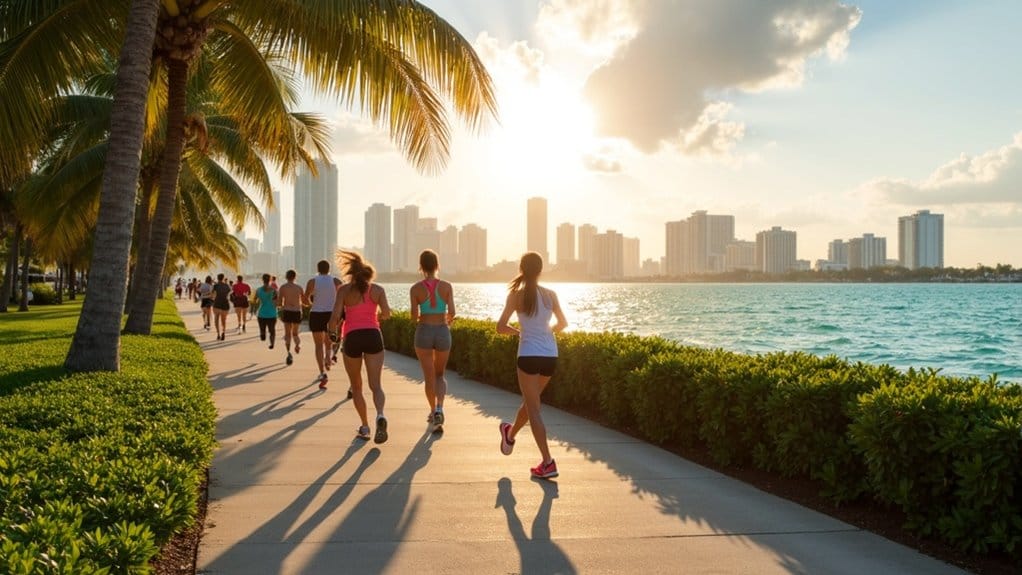
When planning a run in Miami, timing is essential to avoid the heat and humidity that can impact your performance. Early morning is typically the best time to lace up your shoes. During this period, temperatures generally range from 70°F to 80°F, providing a comfortable environment for your workout. Running at this time allows you to benefit from lower humidity levels and avoids the intense heat that peaks later in the day.
If mornings don’t fit your schedule, consider evening runs as a suitable alternative. While temperatures may still be around 80°F, humidity levels usually decrease slightly, making it a better option than running during midday when humidity often exceeds 70%. Evening runs can also help you tap into your energy reserves after a day’s activities.
To increase your endurance and minimize fatigue, it’s crucial to structure your running schedule around these cooler times. Running during the midday heat can force your body to work harder against environmental stress, detracting from your performance and increasing the risk of dehydration and heat-related issues.
Regardless of when you choose to run, remember to prioritize hydration. Miami’s humidity can lead to significant fluid loss, so planning your hydration strategy is vital for maintaining optimal performance and preventing exhaustion.
Group Runs and Local Events: Joining Miami’s Running Community
Joining a running group in Miami can significantly increase your training experience. It shifts your focus from solo runs to a supportive community, strengthening accountability and motivating you to improve your performance.
Clubs like Fit2Run and Runners’ Depot offer weekly group runs that accommodate various pace levels, assuring that everyone can find a suitable fit.
For those looking for structured workouts, Go! Running Tours provides guided runs through some of Miami’s most scenic routes, helping you maintain the right training intensity while enjoying the surroundings.
A key event to consider is the Miami Marathon in February, which attracts around 30,000 participants. It serves as an important benchmark for your training season.
You can strategically plan your training schedule by checking Fit2Run’s Florida Running Calendar, which lists local events and races. Many of these races support community causes, adding a layer of purpose to your training.
Participating in these running clubs not only helps you stay consistent in Miami’s warm climate but also connects you with experienced runners who can offer valuable tips to refine your technique.
Engaging with a community of runners can make a significant difference in your overall running journey, providing both support and insights that can improve your performance.
Running Safety in Miami: Traffic, Weather, and Wildlife Awareness
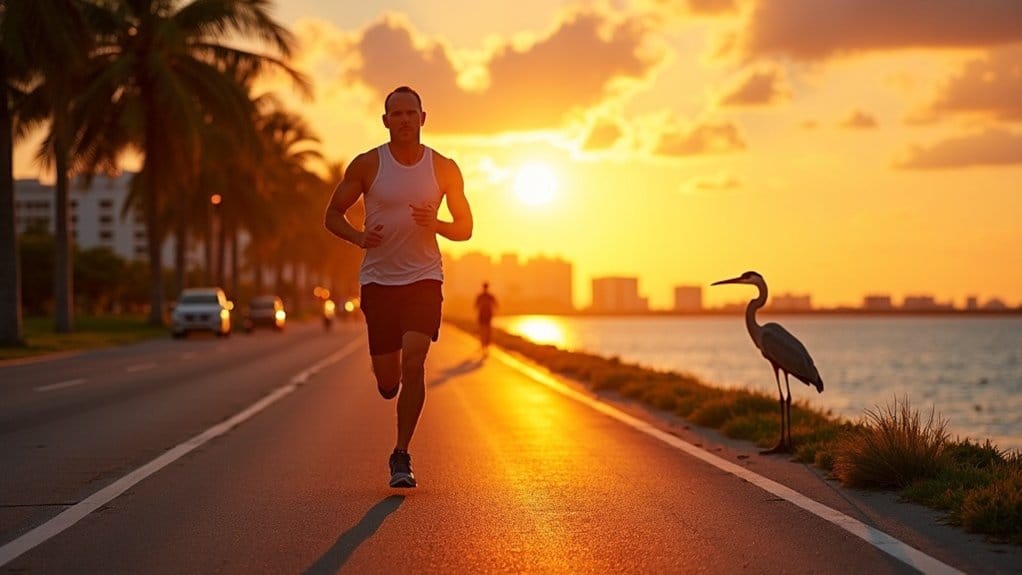
Running Safety in Miami: Traffic, Weather, and Wildlife Awareness
Running in Miami requires a solid understanding of traffic, weather, and wildlife safety. Here’s what you need to know to improve your running experience while staying safe.
Traffic Awareness
When running in busy areas like Downtown Miami and Brickell, always run against the flow of traffic. This practice increases your visibility to drivers and allows you to anticipate any potential hazards.
Whenever possible, choose protected routes such as the Miami Beach Boardwalk and the Underline Trail. These paths aren’t only safer but also provide a more enjoyable running experience.
Weather Considerations
Miami’s weather can be quite intense, especially during the summer months. To minimize the risk of heat-related illnesses, schedule your runs for early morning or late evening when temperatures are cooler.
Hydration is crucial, so always carry water with you, or familiarize yourself with the locations of water fountains along your route. Staying hydrated will help you maintain your performance and enjoy your run.
Wildlife Safety
In certain areas, especially around Oleta River Park and the Everglades, you may encounter wildlife such as alligators and various bird species.
It’s important to keep a safe distance from these animals and never approach them. Understanding local wildlife can prevent dangerous encounters and assure a safer running environment.
By being aware of these factors—traffic, weather, and wildlife—you can have a productive and safe running experience in Miami.
Keep these tips in mind as you check out the city’s diverse running routes. Happy running!