
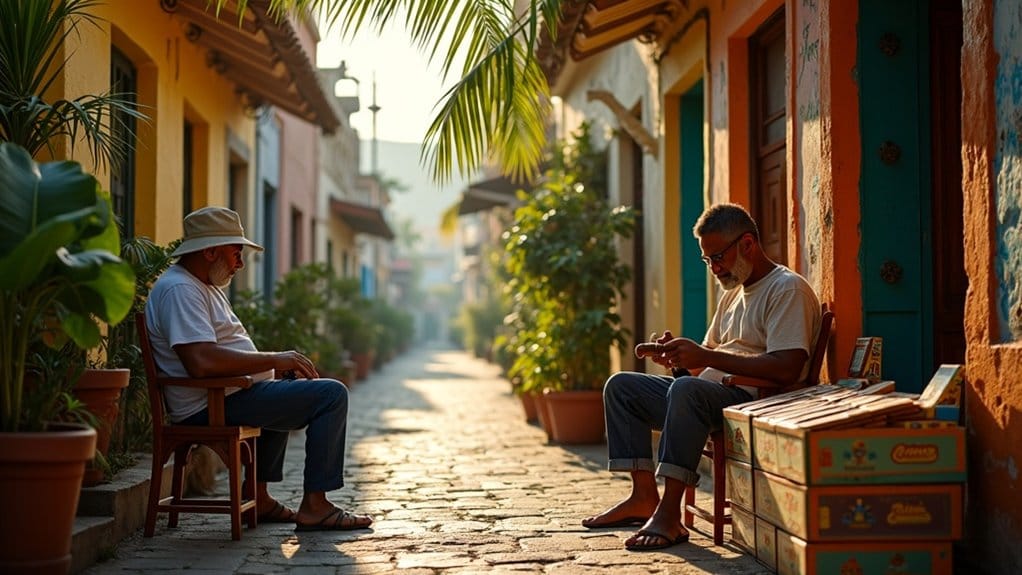
Are you curious about the connection between Miami and cigars? You might be surprised to learn that while Miami has a vibrant cigar culture, the title of “Cigar City” actually belongs to Tampa. Understanding this distinction can deepen your appreciation for both cities and their unique histories.
Back in the 1880s, Vicente Martínez-Ybor founded Ybor City in Tampa, where more than 230 factories were bustling with activity, producing an astounding 500 million cigars each year. This rich history earned Tampa the nickname “Cigar Capital of the World.” In contrast, Miami’s cigar scene developed later, especially in the 1960s, thanks to Cuban exiles who contributed to the lively atmosphere of Little Havana.
So, what does this mean for cigar enthusiasts and culture lovers? The answer lies in the different ways each city celebrates this iconic tradition. Stick around to discover how these two cities compare and what makes each unique in the world of cigars.
Why Tampa: Not Miami: Is Florida’s Real Cigar City
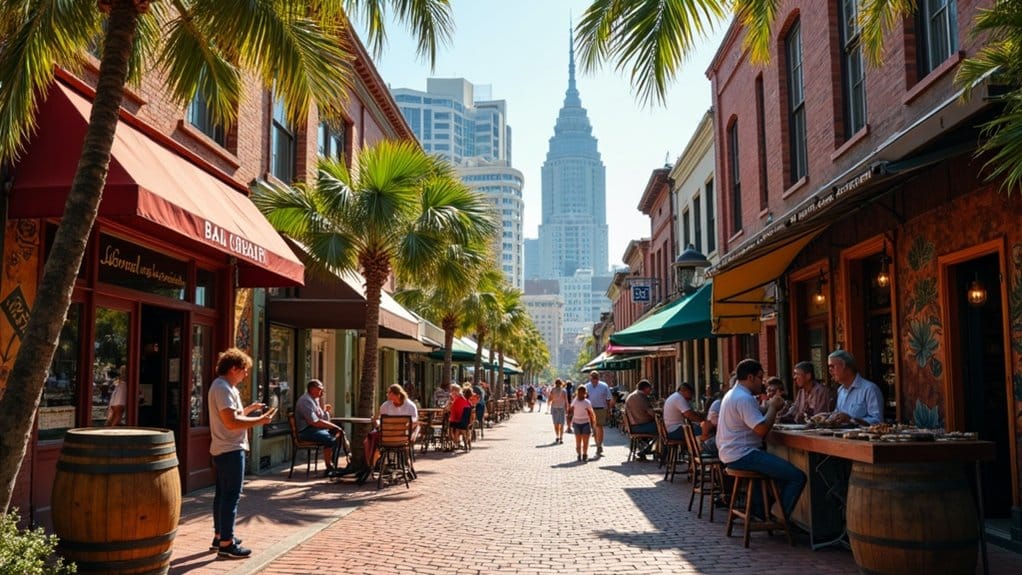
Why Tampa, Not Miami, is Florida’s Real Cigar City
Florida’s cigar industry began in the 1880s, primarily in Tampa, not Miami. Vicente Martínez-Ybor played a pivotal role in this development by founding Ybor City, which quickly earned the title of the “Cigar Capital of the World.”
At its peak, Tampa was home to over 230 factories that produced around 500 million cigars annually. This boom was largely fueled by Cuban, Spanish, and Italian immigrants who brought their rich cultural heritage and craftsmanship to the industry.
In contrast, Miami’s cigar scene emerged later and lacks the historical depth that Tampa offers. For instance, the J.C. Newman Cigar Company, established in 1895, continues to use traditional methods that reflect Tampa’s long-standing cigar-making heritage. This commitment to artisanal techniques highlights the city’s historical significance in the cigar industry.
Tampa’s immigrant communities not only contributed to cigar production but also enriched the local culture, famously creating the Cuban sandwich. This culinary innovation further illustrates Tampa’s diverse cultural identity.
While Miami is known for its contemporary cigar culture, it doesn’t have the same industrial history or artisanal tradition that characterize Tampa.
Tampa’s designation as “Cigar City” is rooted in decades of craftsmanship and industrial leadership that set it apart from Miami. Understanding this distinction helps clarify why Tampa rightfully holds its title as Florida’s true cigar city.
How 230+ Ybor City Factories Earned Tampa the Title
Tampa earned the title of the “Cigar Capital of the World” largely due to the significant concentration of cigar manufacturing in Ybor City. Established in the 1880s by Vicente Martínez-Ybor, this district became the heart of America’s cigar industry. At its peak, Ybor City was home to over 230 factories, collectively producing around 500 million cigars each year, a scale unmatched by any other American city.
The success of the cigar industry in Ybor City can be attributed to the rich cultural heritage brought by Cuban, Spanish, and Italian immigrants. These communities introduced traditional cigar-making techniques, which contributed to the area’s reputation for quality craftsmanship.
However, the industry faced challenges during the Great Depression, leading to a decline in production. Despite this downturn, J.C. Newman remains operational today, using manufacturing methods from the 1930s and making sure that the historical practices are preserved.
Ybor City’s significance is recognized as a National Historic Landmark District, highlighting the importance of its contributions to Tampa’s identity as a cigar city. This designation not only honors the rich history but also serves as a reminder of the cultural and economic impact the cigar industry had on the region.
What Happened to Tampa’s Historic Cigar Factories?
The Great Depression initiated significant changes in Ybor City’s cigar industry. At its peak, over 230 factories produced around 500 million cigars annually, but economic challenges and advancements in mechanization proved detrimental. The decline of the cigar industry accelerated after World War II, as automated processes replaced the skilled hand-rollers who’d been essential to the craft, and market preferences shifted away from Tampa’s traditional products.
Mid-20th century urban renewal programs further impacted the industry, leading to numerous factory closures and leaving many vacant lots in the area. Despite this decline, the J.C. Newman Cigar Company remains operational, preserving both 1930s machinery and traditional cigar-making techniques. This factory stands as a testament to Ybor City’s rich cigar heritage.
Since the 1990s, revitalization efforts have breathed new life into the district, transforming abandoned factories into vibrant bars, restaurants, and entertainment venues.
While these changes have brought gentrification, they also celebrate Tampa’s legacy as the “Cigar Capital of the World” through various festivals and events dedicated to this historical craft.
J.C. Newman: The Last Working Cigar Factory in Ybor City
Check out J.C. Newman, the last working cigar factory in Ybor City, through complimentary factory tours. These tours offer a firsthand look at the complete cigar-making process and provide insights into how the cigar industry has shaped the cultural and economic landscape of Ybor City.
The on-site museum further illustrates tobacco’s significant role in Tampa’s development.
J.C. Newman’s Diamond Crown line stands as a testament to the company’s dedication to quality. This line exemplifies how traditional methods of cigar production remain relevant today, even as many competitors have moved away from these historic practices.
By prioritizing craftsmanship and authenticity, J.C. Newman not only preserves a rich heritage but also continues to produce exceptional cigars that resonate with enthusiasts.
Whether you’re a seasoned aficionado or new to the world of cigars, visiting J.C. Newman offers valuable insights into the art of cigar making and the enduring legacy of Ybor City.
How Little Havana Built Miami’s Cuban Cigar Culture (Without the Factories)
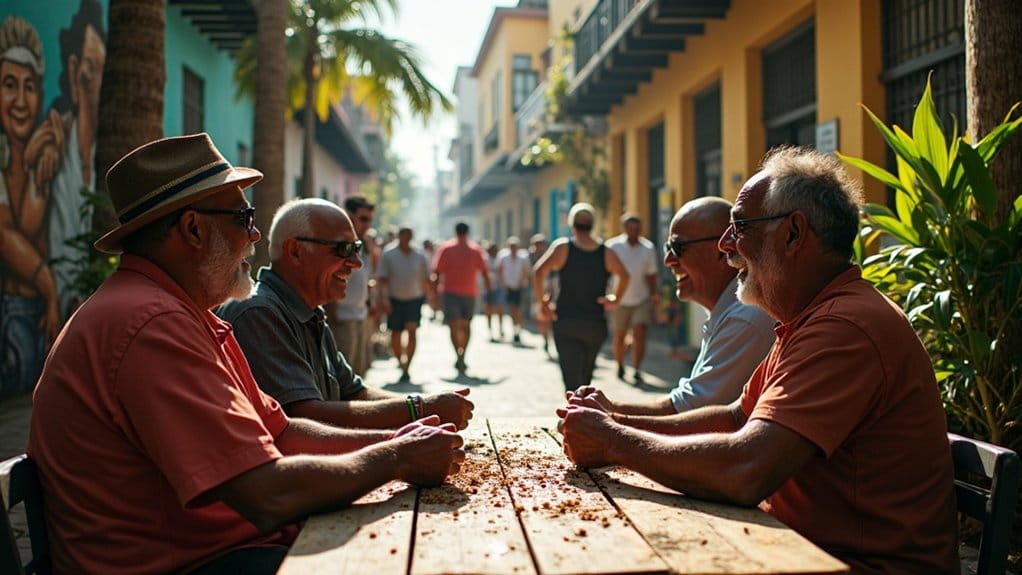
Ybor City may have been known for its large cigar factories in the early 1900s, but Miami’s cigar culture truly began to flourish in the 1960s. This shift occurred as Cuban exiles arrived in Miami following significant political upheaval in their homeland. These immigrants settled in Little Havana, bringing with them a rich heritage of tobacco knowledge, even though they lacked the resources to establish large-scale factories.
Instead of factories, they created small, family-run shops that emphasized traditional hand-rolling techniques. Master rollers in these establishments honed their craft, making certain that the art of cigar-making remained a vital part of their cultural identity. Shops like El Titan de Bronze and the Little Havana Cigar Factory became important centers for this craftsmanship, offering a personalized experience that mass production couldn’t replicate.
Community events, such as the annual Calle Ocho Festival, further solidified Little Havana’s role as Miami’s cigar hub. These gatherings encourageed a sense of community and celebration around the cigar culture, making it accessible to both locals and visitors.
Tampa vs. Miami: How Their Cigar Cultures Actually Differ
When you look at the cigar histories of Tampa and Miami, it’s clear that they took different paths. Tampa built an empire on production, with around 230 factories rolling 500 million cigars each year by the early 1900s. This established a lasting manufacturing infrastructure that Miami never quite developed.
Today, you can see how these histories shape their cigar cultures: Tampa continues to honor its factory heritage through places like J.C. Newman Cigar Company, while Miami, influenced by the Cuban exile community after 1959, has focused more on creating a vibrant retail and social scene centered around cultural identity.
This sets the stage for a deeper exploration of how these distinct cultures influence the way cigars are enjoyed in each city.
Historical Manufacturing vs. Consumption
During the 1880s, Vicente Martínez-Ybor played a pivotal role in shaping Tampa’s cigar manufacturing landscape by establishing Ybor City as a leading hub for cigar production in the United States. At its peak, the city was home to a diverse workforce of Cuban, Spanish, and Italian immigrants who produced over 500 million cigars annually.
This rich history is still evident today through companies like J.C. Newman Cigar Co., which continues to honor traditional manufacturing methods.
In contrast, Miami’s cigar scene developed differently, particularly after the influx of Cuban immigrants following the events of 1959. The focus in Miami shifted from production to consumption, resulting in a vibrant landscape of boutique retail shops and sophisticated lounges.
Unlike the 230+ factories that once defined Ybor City, Miami’s offerings center around the experiences of cigar enthusiasts and the celebration of Cuban-American culture.
This distinction between Tampa and Miami carries cultural importance. Tampa earned its title of “Cigar Capital of the World” through its manufacturing capabilities, while Miami has become known for its cigar tourism, emphasizing retail experiences and social spaces.
Both cities reflect unique aspects of the cigar industry, highlighting the balance between production and consumption in shaping cultural identity. Understanding this history provides insight into the significance of cigars in these communities and their ongoing legacies.
Cuban Heritage and Identity
Cuban heritage is a significant aspect of identity for many in both Tampa and Miami, particularly through their cigar cultures. While both cities celebrate their Cuban roots, they do so in distinctly different ways.
Tampa’s cigar culture has its origins in the late 19th century, specifically in Ybor City, where a diverse group of immigrants, including Cubans, Spaniards, and Italians, came together to work in the cigar manufacturing industry. This community developed a rich Cuban identity through mutual aid societies and institutions focused on preserving their heritage.
For example, the J.C. Newman Cigar Company, one of the oldest cigar manufacturers in the U.S., continues to honor these traditional practices. This emphasis on historical authenticity highlights Tampa’s commitment to its working-class roots and community solidarity.
In contrast, Miami’s Cuban culture began to take shape later, particularly after the major waves of migration in the mid-20th century. Concentrated primarily in Little Havana, this community reflects a more contemporary Cuban-American lifestyle, characterized by vibrant arts, music, and culinary experiences.
Miami’s cigar scene often caters to tourists, featuring upscale lounges and events that showcase a modern interpretation of Cuban culture.
In summary, Tampa offers a deep respect for its historical manufacturing traditions and the immigrant community‘s contributions, while Miami presents a dynamic cultural fusion that celebrates modern Cuban-American identity.
Understanding these distinctions improves our appreciation of Cuban heritage in both cities and provides insight into how immigrant experiences shape cultural expressions.
Modern Cigar Industry Presence
The cigar industries in Tampa and Miami, rooted in Cuban heritage, have developed distinct identities that reflect their historical backgrounds.
In Tampa’s Ybor City, the J.C. Newman Cigar Company exemplifies a commitment to traditional premium cigar production. Here, you can witness age-old manufacturing methods and visit preserved factory buildings that tell the story of an era when the city boasted 230 factories producing 500 million cigars each year.
In contrast, Miami’s Little Havana has embraced a more contemporary artisanal approach to the cigar industry. This area is known for its boutique brands and modern cigar lounges that focus on creating cultural experiences.
Rather than large-scale manufacturing, Miami’s cigar scene prioritizes a blend of premium production with vibrant nightlife and diverse culinary options.
While Tampa’s cigar industry maintains strong ties to its immigrant roots through architectural preservation and traditional techniques, Miami offers a fresh perspective by integrating cigar culture into a lively, experiential environment.
This blend of history and modernity makes both cities significant players in the cigar industry, catering to enthusiasts who appreciate both craftsmanship and community.
Where to Visit Cigar-Rolling Factories in Tampa Today?
If you’re interested in experiencing cigar-rolling in Tampa, there are several notable factories that offer insightful tours and demonstrations.
J.C. Newman Cigar Co. is home to the city’s oldest operational factory. Here, you can watch skilled artisans perform rolling demonstrations using traditional methods that date back to the 19th century.
This factory not only highlights the craftsmanship involved in cigar-making but also preserves the rich history of the industry.
At La Fama Cigar Factory, you’ll witness the hand-rolling techniques that were established during Ybor City’s peak production era.
This factory prioritizes the preservation of craftsmanship over mass manufacturing, making certain that each cigar reflects a commitment to quality.
Tabanero Cigars offers a unique opportunity to observe contemporary interpretations of historical techniques.
Visitors can engage in personalized experiences that include premium tastings, allowing you to appreciate the nuances of different cigars.
Casa de Montecristo provides educational workshops that cater to both beginners and experienced cigar enthusiasts.
Here, you can’t only learn about traditional rolling methods but also practice them yourself in a luxurious lounge setting.
To further enrich your understanding of Tampa’s cigar culture, the Ybor City Museum is an excellent resource.
It documents how the city’s factories have shaped the cultural identity of the area across generations.
These factories and the museum collectively offer a comprehensive look at the art of cigar-making in Tampa, blending historical significance with modern craftsmanship.
Miami’s Best Cigar Shops and Lounges Worth Visiting
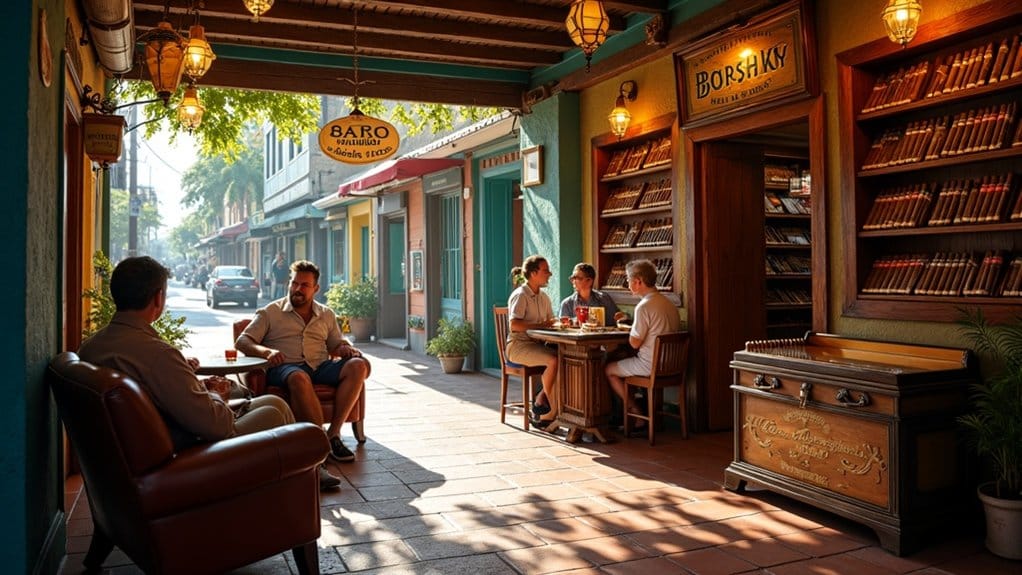
Miami’s cigar culture has a rich history shaped by Cuban immigration, particularly from the 1960s onward. This vibrant heritage is best experienced at El Titan de Bronze in Little Havana, where skilled torcedores showcase traditional cigar-rolling techniques that have been passed down for generations.
Visitors can watch as these artisans craft cigars by hand, offering a firsthand look at the craftsmanship involved.
Another noteworthy stop is the historic La Gloria Cubana factory, which provides tours that highlight authentic cigar production methods.
These experiences offer valuable insights into the meticulous processes that contribute to the quality of each cigar.
For those seeking a more contemporary vibe, Empire Social Lounge and Galiano Cigar Room are excellent choices.
These modern venues not only offer a wide selection of premium cigars but also pair them with expertly crafted cocktails, increasing the overall enjoyment.
Miami’s annual Tobacco Festival is a significant event for cigar enthusiasts, attracting participants from around the world.
This festival celebrates the city’s distinct tobacco culture and allows attendees to engage with experts and fellow aficionados.
The Cuban Sandwich Debate: Another Tampa vs. Miami Rivalry
The Cuban Sandwich Debate: Tampa vs. Miami
The Cuban sandwich has become a significant symbol in Florida’s culinary landscape, particularly in the rivalry between Tampa and Miami. This debate traces back to the late 19th century in Ybor City, Tampa, where the sandwich first gained prominence.
Tampa’s version showcases the influence of its immigrant community, while Miami’s interpretation has led to ongoing discussions about authenticity.
Key Characteristics of Tampa’s Original Cuban Sandwich:
- Ingredients: The traditional Cuban sandwich from Tampa features slow-roasted pork, ham, Swiss cheese, pickles, mayonnaise, and mustard, all layered on Cuban bread.
- Salami Addition: A notable aspect of Tampa’s recipe is the addition of salami, which reflects the Italian immigrant workers who contributed to Ybor City’s cigar industry.
- Bread Source: The bread used in Tampa’s Cuban sandwiches has been supplied by La Segunda Bakery since the early 1900s, a testament to its historical roots and authenticity.
- Culinary Recognition: Culinary historians widely recognize Tampa’s version as the authentic Cuban sandwich, highlighting its deep connections to the city’s cultural heritage.
This ongoing culinary rivalry not only emphasizes Tampa’s “Cigar City” identity but also illustrates how regional variations can evolve.
Miami’s Cuban sandwiches typically lack salami, representing a different interpretation rather than the original recipe. Understanding these distinctions enriches our appreciation for both cities’ contributions to this beloved sandwich.
Why Two Florida Cities Still Fight Over Cigar Heritage?
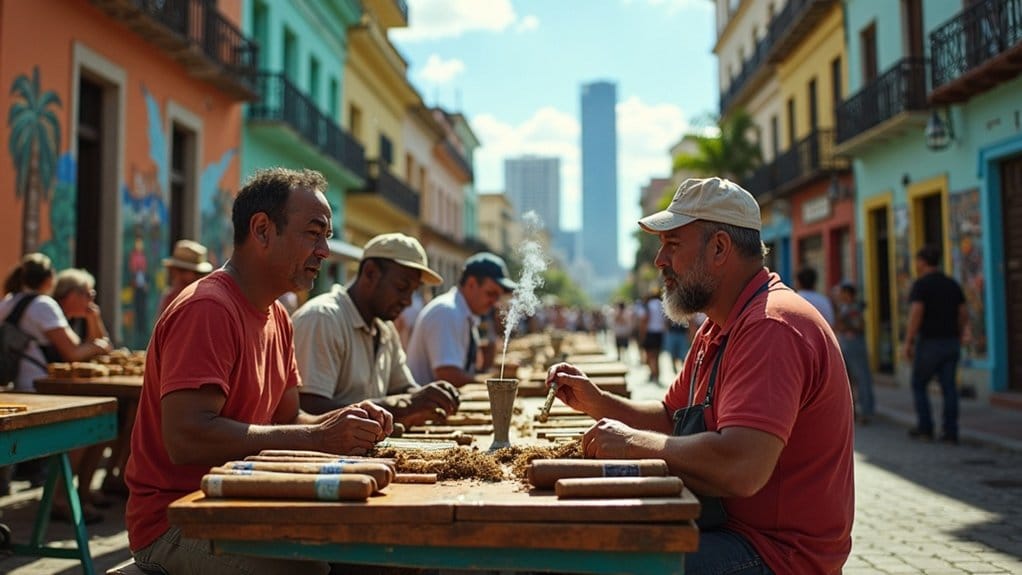
The rivalry between Tampa and Miami over cigar heritage is a fascinating chapter in Florida’s cultural history, particularly highlighted by the debate surrounding the Cuban sandwich. At the heart of this discussion is Ybor City‘s establishment in the 1880s as the “Cigar Capital of the World,” which predates Miami’s cigar culture influenced by Cuban immigrants.
In the 20th century, a significant shift occurred. While Ybor City’s cigar industry began to decline, Miami’s cigar scene flourished, leading to differing narratives about what constitutes authentic cigar culture. This divergence is evident today through various Cultural Preservation efforts and Cigar Festivals held in both cities.
Tampa often focuses on the historical significance of the J.C. Newman Cigar Co., which has operated continuously since its founding, and the contributions of immigrant workers to the cigar industry.
On the other hand, Miami emphasizes the vibrant contemporary cigar culture found in neighborhoods like Little Havana, showcasing its unique artistic and culinary expressions.
Both cities maintain strong claims to their cigar heritage. Tampa prides itself on its historical roots, while Miami celebrates its modern cultural significance.
This ongoing rivalry raises important questions about the ownership of cultural heritage and how it can evolve over time.
Understanding this dispute offers valuable insights into the cultural identities of both cities and highlights the broader implications of heritage, authenticity, and community pride.