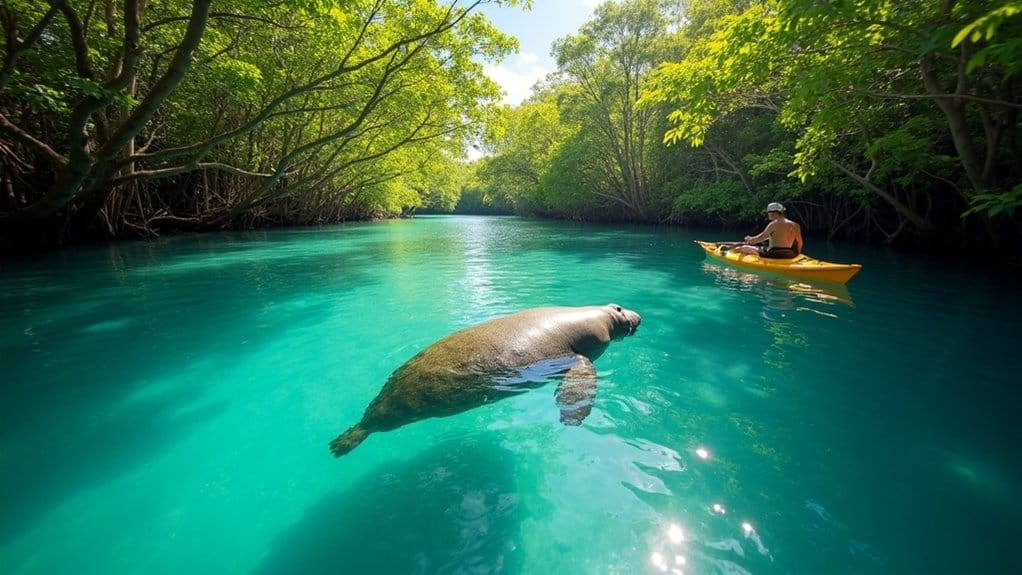
Are you curious about where to catch a glimpse of the gentle giants of the sea? If you’re in Miami from November to March, you might be in for a treat. During these cooler months, manatees flock to specific areas to escape the chilly waters, making it a prime time for viewing these fascinating creatures.
Biscayne Bay and the Everglades are hotspots for spotting West Indian manatees, and knowing where to look can improve your experience. Imagine witnessing these majestic animals in their natural habitat!
In the following guide, we’ll check out the best spots for sightings, along with essential tips on how to observe them responsibly. Get ready to dive deeper into the world of manatees and discover how you can enjoy their presence while respecting their home.
Best Land-Based Spots to See Manatees in Miami
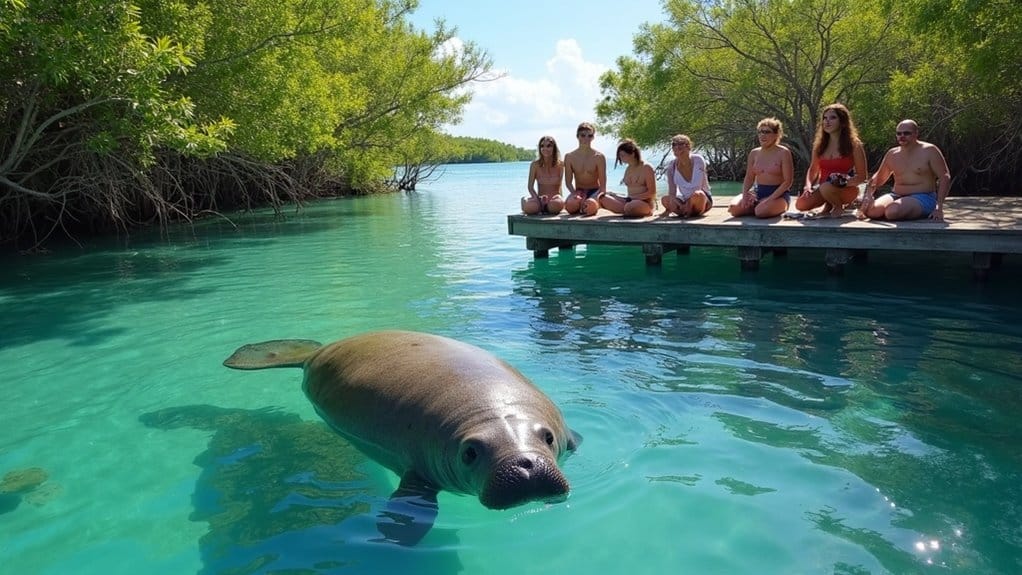
If you’re wondering whether you can see manatees in Miami, the best time to spot these gentle giants is from November to March. During this period, the water temperatures typically drop below 20°C (68°F), prompting manatees to gather in warmer areas.
To increase your chances of observing manatees, consider visiting popular locations such as the close waters of Biscayne Bay or the nearby Everglades. These areas provide a natural habitat where manatees often congregate.
In addition to knowing the right time of year, it’s helpful to familiarize yourself with their behavior. Manatees are generally slow-moving and prefer shallow waters, making them easier to spot when they surface for air.
Best Miami Kayak Routes for Manatee Sightings
Kayaking offers a unique opportunity to observe manatees in their natural habitats, especially in shallow waters where these gentle giants feed and regulate their body temperature. For those looking to spot manatees in Miami, several key locations stand out.
Virginia Key Lagoon is a popular winter observation site accessible by kayak. This area is known for its warm waters, making it a refuge for manatees during colder months.
Manatee Bend Park serves as a great launch point for kayakers interested in monitoring manatees during cold fronts. When temperatures drop, manatees seek out warmer waters, and this park provides easy access to those thermal refuges.
Little River Dam is another excellent spot for manatee sightings. During temperature drops below 68°F, manatees often gather here, making it a prime location for encounters.
Belle Meade Island Bridge offers good visibility during morning and evening hours, as manatees travel between feeding grounds in Biscayne Bay. Kayaking around this area can increase your chances of seeing them in transit.
Lastly, Biscayne National Park, particularly near the Visitors Center, features designated habitat zones where manatees are frequently spotted. This area is well-documented for its manatee population, making it a reliable spot for kayakers.
Best Times to See Manatees in Miami
Understanding the Best Times to See Manatees in Miami
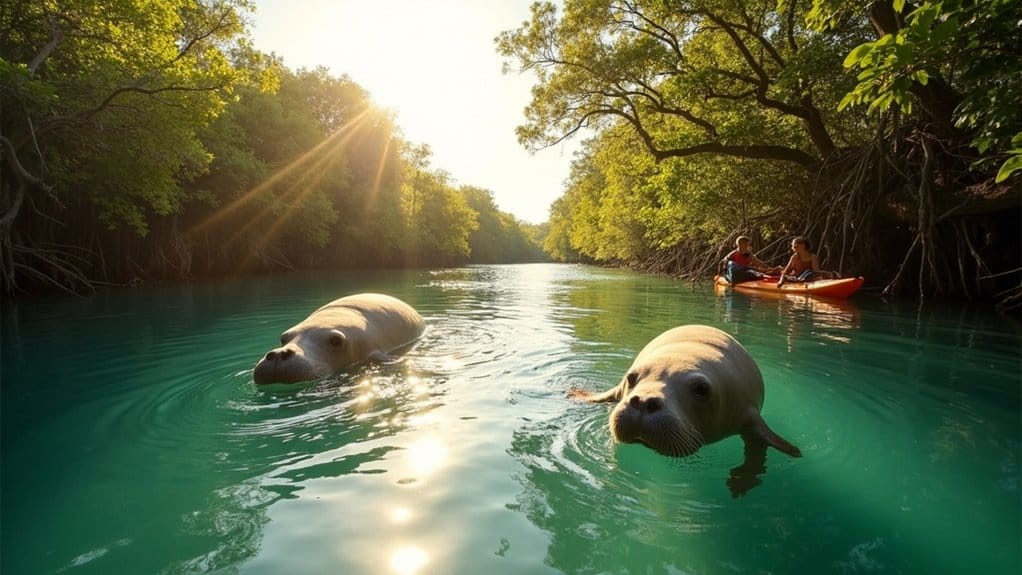
If you’re looking to see manatees in Miami, timing is key. Manatees (*Trichechus manatus latirostris*) migrate to warmer waters during the winter months, specifically from November to March, when the water temperature drops below 68°F (20°C). This migration makes these months the best time to observe them.
During this period, manatees often gather at thermal refuges—areas where warm water is available. Popular spots for viewing include Belle Meade Island Bridge and Little River Dam. You’ll have the best luck during the morning and evening hours when they’re most active.
Additionally, manatees tend to congregate near warm water discharge points, such as Manatee Bend Park and Virginia Key Lagoon. Cold fronts can lead to larger groups of manatees gathering, offering excellent opportunities for observation.
Keep in mind that high tides also improve your chances of seeing manatees, as they move into shallower areas to feed.
Understanding these patterns not only increases your wildlife viewing experience but also supports conservation efforts aimed at protecting these gentle giants. Enjoy your time observing manatees in Miami!
Manatee Viewing Rules and Regulations in Florida
Manatee Viewing Rules and Regulations in Florida
If you’re interested in observing manatees in Florida, it’s important to follow specific guidelines to make certain their protection and well-being. Manatees are a vulnerable species, and both federal and state regulations emphasize the need for responsible viewing practices.
First and foremost, you must keep a minimum distance of 50 feet from all manatees. This distance is crucial to avoid causing them stress or altering their natural behavior. Violating this rule can lead to significant penalties, including fines up to $100,000 and possible imprisonment. These measures reflect the importance of conserving this species.
Feeding manatees is strictly prohibited. Providing them with human food can shake their natural foraging habits and create unhealthy dependencies on people. It’s essential to allow manatees to thrive on their natural diet without interference.
When boating in areas where manatees are known to inhabit, be sure to adhere to designated slow-speed zones. Boat strikes are one of the leading causes of manatee deaths, so slowing down not only helps protect these animals but also increases your chances of spotting them.
For the best viewing experience, use established viewing platforms and designated observation areas. These locations are designed to minimize your ecological footprint while providing excellent opportunities for observing manatees in their natural habitat.
By using these facilities, you contribute to both public education and the conservation of manatees.
Should You Book a Guided Tour or Look into on Your Own?
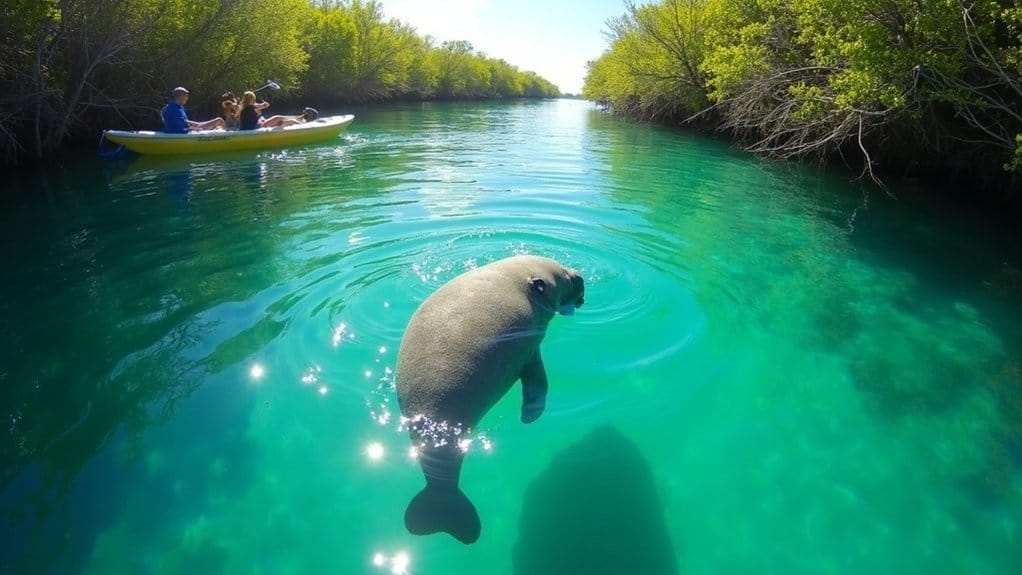
When deciding whether to book a guided tour or look into on your own, consider the benefits of self-guided exploration at locations like Manatee Bend Park and Virginia Key Lagoon.
Checking out on your own allows for flexible scheduling and the chance to observe wildlife at your own pace.
However, it’s essential to do your homework. Researching the best times for viewing manatees is crucial. Typically, early mornings during the winter months are ideal, as manatees tend to gather near warm-water refuges during this time.
Additionally, understanding current population distributions will increase your experience. Check reliable sources or local wildlife organizations for real-time updates.
Practicing proper wildlife observation protocols is also important. This means keeping a respectful distance and minimizing disturbances to these vulnerable marine mammals.
Ultimately, whether you choose a guided tour or self-exploration, being informed and prepared will lead to a more fulfilling experience.
Essential Gear for Miami Manatee Watching
Essential Gear for Miami Manatee Watching
When it comes to observing manatees in Miami, having the right equipment can significantly improve your experience while making sure the safety and well-being of these federally protected marine mammals (*Trichechus manatus latirostris*).
Binoculars are an essential tool for manatee watching. Opt for models with 8×42 or 10×50 magnification to maintain the required 50-foot distance. This will allow you to observe their behaviors and interactions without disturbing them.
Polarized sunglasses are also important. They help reduce surface glare, which can make it easier to spot manatees when they surface for air every 3 to 5 minutes. Studies suggest that using polarized lenses can increase your detection rates by up to 60%.
For photography enthusiasts, waterproof camera gear with a telephoto lens (200-400mm) is key. This allows you to capture stunning images of manatees without getting too close, adhering to the guidelines that protect these gentle giants.
Lightweight, UV-protective clothing with a UPF of 50+ is advisable, especially during long observation sessions. Staying cool and protected from the sun helps you enjoy your time outdoors more comfortably.
If you’re planning to analyze shallow habitats, kayaking equipment is a great choice. Kayaks allow for a quiet approach, minimizing noise pollution that can disturb manatees.
Research shows that non-motorized vessels have 73% lower disturbance rates compared to motorized options, making them a better choice for conservation efforts.
How to Photograph Manatees Without Disturbing Them
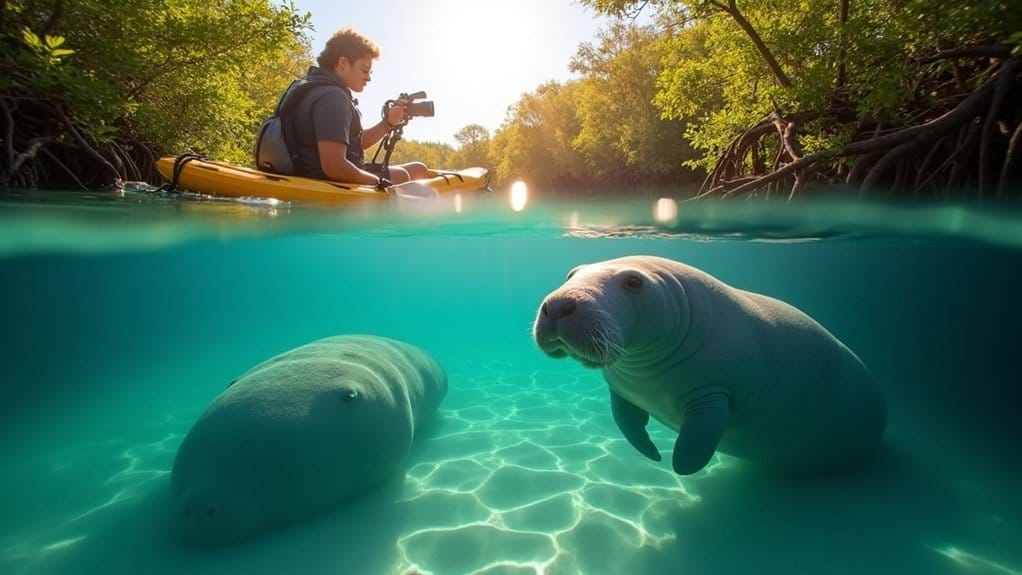
Photographing Manatees: Tips for Ethical and Responsible Practices
Capturing stunning images of manatees is a rewarding experience, but it’s essential to do so in a way that respects these gentle giants and their environment. Ethical manatee photography not only complies with federal protection laws, such as the Endangered Species Act, but also promotes the welfare of these vulnerable marine mammals.
Here are some key guidelines to help you photograph manatees responsibly.
Key Guidelines for Manatee Photography
- Maintain a Safe Distance: Always keep a minimum of 10 feet away from manatees. This legal buffer zone is crucial for their well-being, as close encounters can cause stress and alter their natural behaviors.
- Use Appropriate Equipment: A telephoto zoom lens with a focal length of 200-400mm is ideal for capturing detailed shots without intruding on their space. This allows you to photograph manatees comfortably from a distance.
- Optimize Your Image Quality: Employ polarized filters to reduce glare from the water’s surface. This not only boosts the clarity of your underwater images but also helps in capturing the beautiful details of manatees as they swim.
- Choose the Right Time: Plan your photography sessions during dawn or dusk. These times not only offer softer, more flattering natural light but also tend to have fewer people around, minimizing disturbances to the manatees.
Before you head out, it’s important to familiarize yourself with local manatee protection ordinances and any specific regulations for the sanctuary you’re visiting. This make sures that your photography aligns with conservation efforts and helps protect these magnificent creatures for future generations.
What to Do if You See an Injured Manatee
If you see a manatee in distress—like being lethargic, having visible wounds, getting tangled in fishing line, or struggling to breathe—it’s important to act quickly, since these animals are protected under the Endangered Species Act.
Please reach out to the Florida Fish and Wildlife Conservation Commission at 1-888-404-3922 right away. They’ve trained teams equipped to handle these situations safely.
While you wait for help, try to keep a distance of at least 50 feet from the manatee to avoid causing it more stress and to stay within legal guidelines regarding marine mammals.
Now that you know how to help an injured manatee, let’s look at some ways to protect their habitat and confirm they thrive in our waters.
Recognize Signs of Distress
Recognizing Signs of Distress in Manatees
Understanding the signs of distress in manatees is essential for assuring their well-being and improving their chances of survival. These gentle marine mammals can exhibit specific behavioral and physical indicators when they’re unwell or injured. By familiarizing yourself with these signs, you can play a vital role in their protection.
Key indicators of distress in manatees include:
- Abnormal buoyancy patterns: When a manatee floats on its back instead of its usual belly-down position, this may indicate issues with its respiratory or digestive system. Observing this behavior is crucial, as it can signal a need for immediate assistance.
- Impaired locomotion: A healthy manatee swims smoothly and confidently. If you notice a manatee struggling to move or exhibiting erratic swimming patterns—such as staying in one place for too long—it may be in distress and need help.
- Visible trauma: Look for any signs of injury, including cuts, move forwardler wounds, or entanglement in fishing gear. Documenting these injuries is important for professionals who can provide the necessary care.
- Lethargy and unresponsiveness: If a manatee appears less responsive or shows reduced reactions to its surroundings, this could indicate a serious health issue. Such signs often suggest that the animal is experiencing significant physiological stress.
If you observe any of these signs, it’s important to act quickly. Contact the Florida Fish and Wildlife Conservation Commission (FWC) at 1-888-404-3922 for assistance.
While waiting for professional responders, keep a safe distance to avoid adding further stress to the animal. Remember, never attempt to make direct contact or conduct any rescue operations on your own.
Contact Wildlife Authorities Immediately
Contact Wildlife Authorities Immediately
When you encounter a distressed or injured manatee, it’s essential to act swiftly. The Florida Fish and Wildlife Conservation Commission (FWC) has established rapid response protocols to address such situations effectively. If you spot an injured manatee, please contact their 24-hour hotline at 1-888-404-FWCC (3922). When you call, be prepared to provide precise location coordinates and details about the conditions you’ve observed, as this information is crucial for their response.
Here’s a breakdown of the types of observations you might encounter and the information to gather:
| Observation Type | Required Information | Action Protocol |
|---|---|---|
| Injured Manatee | GPS coordinates, description of wounds, behavioral patterns | Notify the FWC immediately |
| Listless Floating | Duration of observation, water conditions, diving ability | Document the situation and report |
| Visible Trauma | Location and severity of injuries, signs of vessel strikes | Contact the emergency hotline |
| Deceased Specimen | Condition of the carcass, environmental factors, access | Report for necropsy information |
It’s important to note that attempting to physically intervene with a manatee can be harmful and is against the Marine Mammal Protection Act. Handling these animals not only puts their well-being at risk but can also compromise valuable data needed for research and conservation efforts.
Do Not Approach Manatee
Important Guidelines for Encountering Injured Manatees
If you come across an injured manatee, your first instinct might be to help. However, it’s essential to maintain a safe distance of at least 50 feet. This distance is crucial not just for the animal’s well-being but also to comply with legal regulations. Close encounters can further stress levels in manatees, which can hinder their recovery.
Under the Endangered Species Act and the Marine Mammal Protection Act, any unauthorized contact with a manatee is considered harassment. Violations can lead to significant penalties, including fines of up to $50,000 and potential jail time.
Here are some key protocols to follow:
- Keep a Safe Distance: Staying at least 50 feet away helps minimize stress for the manatee. Proximity can trigger physiological responses that complicate recovery.
- Reduce Noise Levels: Loud sounds can increase stress hormones in manatees. Keeping the area quiet supports their natural healing process.
- Document Carefully: If you can, take photos from a distance. This evidence can be valuable for wildlife authorities, like the Florida Fish and Wildlife Conservation Commission (FWC), as they assess the situation.
- Resist the Urge to Intervene: Attempting to handle a manatee without proper training can cause more harm than good. Untrained interventions can lead to additional trauma or infections.
Wildlife professionals are equipped with the necessary tools and expertise to assist injured manatees safely. By following these guidelines, you can help protect these gentle creatures while confirming their recovery is managed appropriately.