Are you curious about the vibrant cities that surround Miami? Whether you’re planning a visit or considering a move, knowing what’s nearby can improve your experience. Each neighboring city has its own unique charm and character, making the area rich with culture and diversity. From the iconic Art Deco style of Miami Beach to the quaint Mediterranean vibes of Coral Gables, there’s so much to look into. But the fun doesn’t stop there—head north to discover the bustling streets of Miami Gardens and the picturesque canals of Fort Lauderdale. This interconnected metropolitan area is more than just a collection of cities; it’s a thriving community of 6.45 million people, each contributing to the lively tapestry of South Florida. Stick around to uncover the drive times, hidden gems, and how these nearby cities can transform your Miami experience.
Immediate Neighboring Cities Within Miami-Dade County

Miami is surrounded by several neighboring cities, each contributing unique characteristics to the vibrant metropolitan area.
If you’re looking for cities near Miami, Miami Beach is a popular choice, located just 4.12 miles to the east. Known for its Art Deco architecture and lively nightlife, it’s a favorite destination for both locals and tourists.
To the northwest, you’ll find Brownsville, approximately 4.42 miles away. This community is notable for its cultural diversity and residential atmosphere, making it an appealing option for families.
Further out, at around 5.19 miles, Gladeview offers suburban parks and a more laid-back lifestyle, perfect for those seeking a quieter environment.
If you’re considering waterfront living, North Bay Village is a charming island community situated about 5.55 miles northeast of Miami. This area is known for its scenic views and access to water activities.
El Portal, located about 5.6 miles north, features historic architecture and a strong sense of neighborhood, providing a quaint atmosphere that many residents appreciate.
These neighboring cities near Miami showcase the region’s rich diversity and appeal, each just a short drive from downtown.
Whether you’re looking for nightlife, cultural experiences, or a peaceful residential vibe, the options are plentiful within close proximity to Miami.
Major Cities Within 30 Minutes of Miami
When checking out the greater Miami area, you’ll find several major cities located within a convenient 30-minute drive, each offering unique experiences that increase your visit.
If you’re looking for cities close to Miami, Miami Beach is a top choice, situated just 4.12 miles to the east. Known for its iconic Art Deco architecture and vibrant nightlife, Miami Beach is a popular destination for both locals and tourists.
Another nearby city is Coral Gables, located 6.13 miles southwest of Miami. This charming city is renowned for its Mediterranean Revival architecture, with beautiful buildings and lush streets. A highlight here is the Venetian Pool, a stunning historic swimming pool that attracts visitors year-round.
North Bay Village, found 5.55 miles northeast of Miami, offers a picturesque waterfront setting and various recreational activities. Its scenic views make it an excellent spot for outdoor enthusiasts looking to enjoy water sports or simply relax by the bay.
Lastly, Miami Gardens, situated 12.03 miles north of Miami, is notable for being home to the Hard Rock Stadium, where numerous sporting events and concerts take place. The city is also recognized for its rich cultural diversity, which is reflected in its community events and local cuisine.
Fort Lauderdale and Broward County Communities
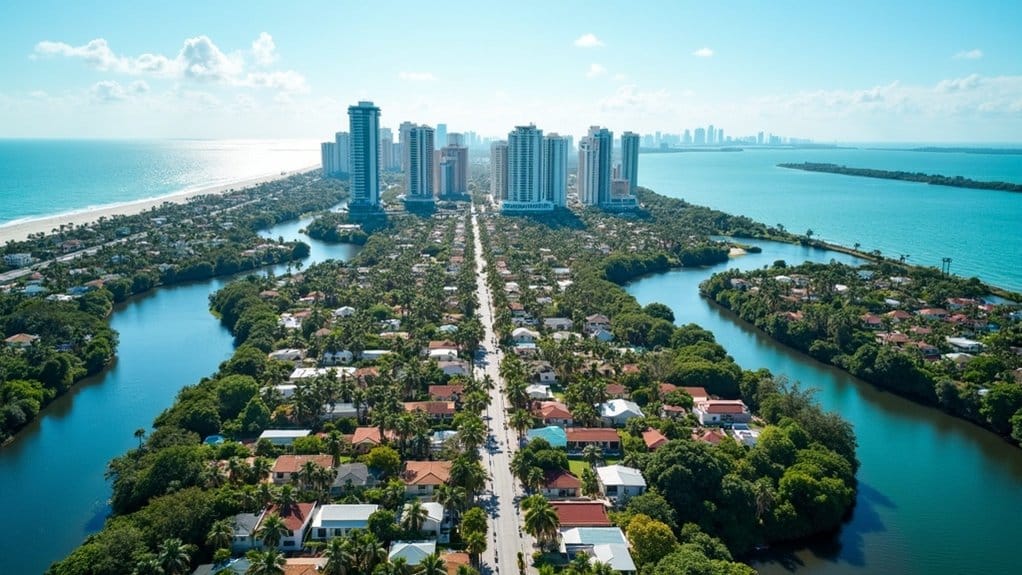
Fort Lauderdale is located just 24 miles north of Miami and features a unique canal system that flows through neighborhoods, offering a mix of million-dollar waterfront homes and lively downtown areas.
Broward County, home to nearly 2 million residents, includes diverse communities like Coral Springs and Pembroke Pines, each with its own character.
From the upscale dining options along Las Olas Boulevard to the family-friendly parks in the suburbs, there’s a bit of everything here.
Whether you’re interested in beachfront living or looking for something more affordable inland, Broward County has a wide range of lifestyles to look into—all within a short drive.
Speaking of checking out, let’s dive into what makes these communities truly special.
Fort Lauderdale Overview
Fort Lauderdale is a coastal city located just 24.25 miles north of Miami, serving as Broward County’s prominent destination. With over 165 miles of scenic waterways, it has earned the nickname “Venice of America.”
The city boasts a population of approximately 182,595 residents and offers a unique blend of upscale sophistication and a relaxed beach culture. This combination creates an inviting atmosphere that’s distinct from the more vibrant energy of Miami.
When planning your visit to Fort Lauderdale, consider three main attractions that highlight the city’s appeal:
- Las Olas Boulevard: This area is known for its upscale shopping, diverse dining options, and art galleries. It serves as a cultural hub where you can analyze local creativity and enjoy a variety of culinary experiences.
- Fort Lauderdale-Hollywood International Airport: This airport offers convenient access for both domestic and international travelers, making Fort Lauderdale an easily reachable destination for visitors.
- Annual Events: Events such as the International Boat Show and the Las Olas Art Fair reflect the city’s lively cultural scene. These gatherings not only showcase local talent but also bring together residents and visitors for memorable experiences.
Additionally, Fort Lauderdale’s beaches provide a more tranquil alternative to Miami’s crowded shores, allowing you to enjoy the sun and surf in a more relaxed setting.
Major Broward Cities
Broward County, known for its diverse communities, offers a variety of living experiences that cater to different lifestyles in South Florida. Each city within the county has its unique charm and features, making it an attractive option for both visitors and potential residents.
Fort Lauderdale serves as the county’s cosmopolitan hub, boasting a vibrant atmosphere and a population of over 180,000 residents. This city is well-known for its cultural events, dining, and nightlife, making it a popular destination for those seeking an urban lifestyle.
Hollywood combines the charm of a vintage beach town with modern development. Its walkable boardwalk and beautiful beaches attract both locals and tourists, providing a relaxed atmosphere that many find appealing.
Pembroke Pines stands out as a family-friendly suburban haven. With its spacious neighborhoods and excellent schools, it’s a great choice for families looking for a safe and nurturing environment to raise children.
Coral Springs is recognized for its master-planned communities that prioritize outdoor spaces and recreational facilities. This city is ideal for those who enjoy an active lifestyle, with numerous parks and community events throughout the year.
Overall, Broward County presents an urban-suburban mix that enriches its cultural landscape. The Fort Lauderdale-Hollywood International Airport serves as a convenient gateway, connecting these communities to Miami and other destinations around the globe.
If you’re considering a move or simply checking out options in Broward County, understanding the character and key features of each city can help you make an informed decision. Each community contributes to the county’s overall appeal, offering something for everyone.
Coastal and Inland Communities
Broward County, located along Florida’s southeastern coastline, features a blend of coastal and inland communities, each providing a unique perspective on South Florida living.
Coastal areas like Fort Lauderdale and Hollywood are known for their vibrant beach-town ambiance. Fort Lauderdale, often referred to as the “Venice of America,” boasts a complex network of canals that attract both residents and visitors. Meanwhile, Hollywood’s lively boardwalk is a popular destination for those looking to enjoy the beach atmosphere from morning until night.
As you move inland, the character of the communities shifts. Pembroke Pines exemplifies suburban living, offering a range of shopping options and family-oriented neighborhoods. Sunrise is home to the BB&T Center, which hosts NHL games and major concerts, adding to the excitement of the area. Inland communities generally provide more affordable housing while still assuring convenient access to the coastal attractions that draw many to the region.
With a population of approximately 1.9 million, Broward County residents benefit from a robust economy supported by tourism, real estate development, and the bustling operations of Fort Lauderdale’s port.
This economic growth boosts the quality of life for those living in both coastal and inland areas, making Broward County a desirable place to call home.
Palm Beach County Cities Within an Hour’s Drive
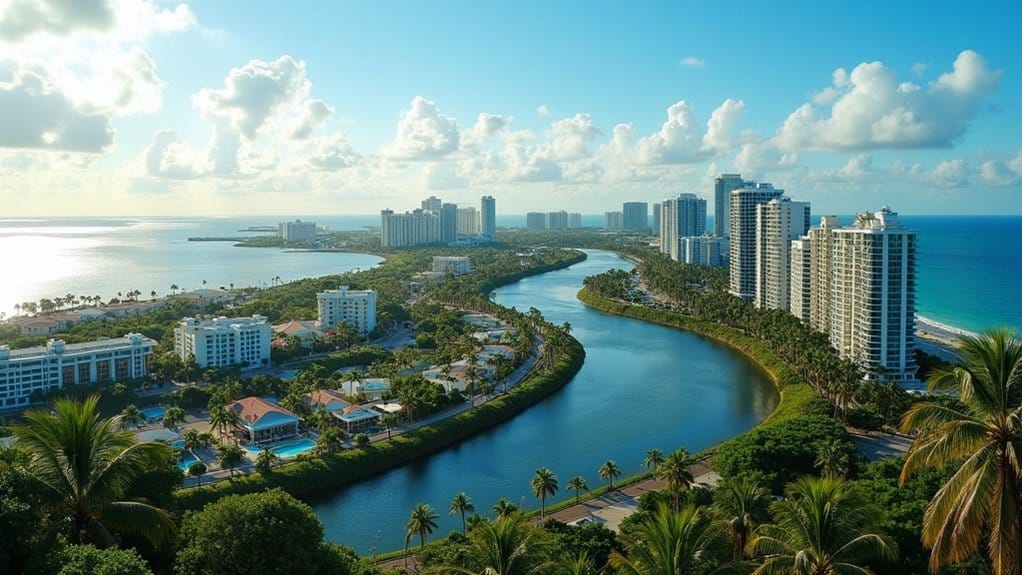
Palm Beach County, located just an hour north of Miami, offers a variety of coastal cities that are perfect for day trips. Each city presents unique attractions and experiences that make them worth looking into.
West Palm Beach, the county seat, is known for its vibrant waterfront downtown. This area is particularly lively during events like SunFest, which takes place every spring. The festival showcases a diverse lineup of music, drawing both locals and visitors to enjoy performances against the scenic backdrop of the Intracoastal Waterway.
Boca Raton is another noteworthy destination in Palm Beach County. It’s home to the renowned Boca Raton Resort & Club, which symbolizes the city’s blend of luxury and accessibility. Visitors can enjoy pristine beaches alongside upscale shopping areas, making it an ideal spot for those seeking both relaxation and a little indulgence.
Delray Beach stands out with its bustling Atlantic Avenue, a mile-long stretch filled with an assortment of art galleries, farm-to-table restaurants, and unique boutiques. This area exudes charm and character, attracting crowds year-round who appreciate its laid-back yet sophisticated coastal atmosphere.
Southern Destinations: The Florida Keys Gateway
When checking out the Florida Keys, visitors can experience a unique blend of natural beauty and diverse activities that set this destination apart from the hustle and bustle of Miami. The Florida Keys, an archipelago stretching 160 miles into the Atlantic Ocean, begins just 15 miles from the mainland and offers a variety of experiences across its distinct islands.
Key Largo, located about 60 miles from Miami, is renowned for its exceptional diving opportunities, particularly at John Pennekamp Coral Reef State Park, which is the first underwater park in the United States. Here, divers and snorkelers can check out vibrant coral reefs and a wide array of marine life.
Continuing south to Islamorada, approximately 80 miles from Miami, visitors will find themselves in the “Sport Fishing Capital of the World.” This designation is well-earned, thanks to the region’s abundant fishing charters that cater to both novice and experienced anglers. Whether you’re looking to catch tarpon, bonefish, or sailfish, Islamorada offers numerous options.
At the southernmost point of the Florida Keys lies Key West, 160 miles from Miami. This vibrant island is rich in history and culture, boasting landmarks such as the Ernest Hemingway Home and Museum and the iconic Duval Street, known for its lively nightlife. Key West provides a blend of relaxation and entertainment that appeals to a wide range of travelers.
For those considering a trip to the Florida Keys, Marathon serves as an ideal base. Located about 90 miles from Miami, it offers convenient access to attractions such as the Seven Mile Bridge and the Dolphin Research Center. From Marathon, visitors can easily hop between the various keys, making the most of their time in this beautiful region.
Western Communities and Inland Cities
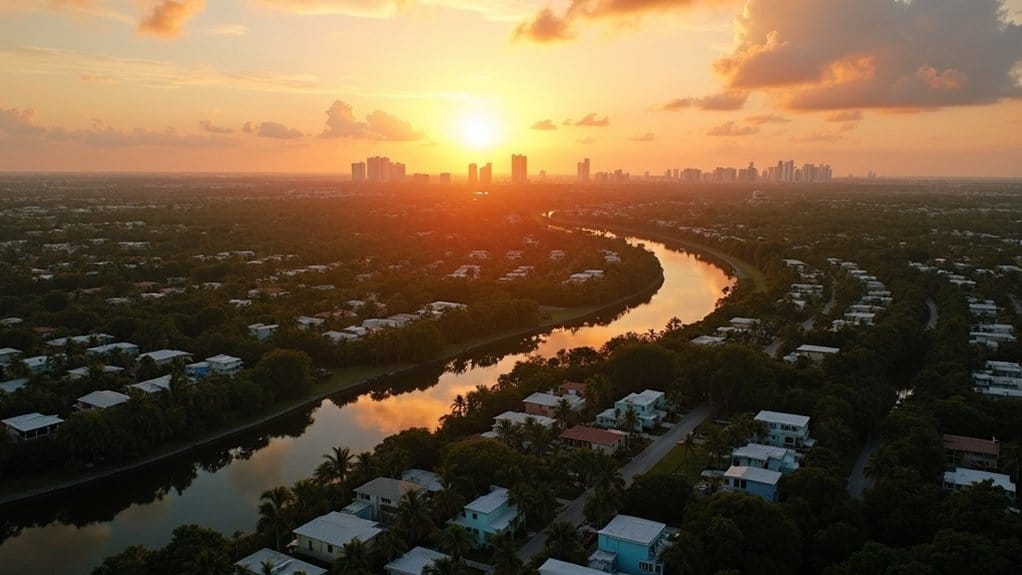
As you move inland from Miami, you’ll discover a variety of western communities that present a different lifestyle compared to the coastal areas.
For instance, Cooper City, located just 20 miles northwest of Miami, is known for its suburban atmosphere and family-friendly neighborhoods. This community is ideal for those looking for a quiet environment, with amenities that cater to families.
If you travel a bit further to Southwest Ranches, about 21 miles away, you’ll encounter a more rural setting characterized by larger properties and open spaces. This area is perfect for those who enjoy a country lifestyle, complete with horses and expansive landscapes instead of the typical palm-lined streets found in coastal areas.
Weston, situated 26 miles northwest of Miami, stands out for its thoughtful urban planning. The city is packed with parks and recreational facilities that attract families looking for an organized community environment. This focus on green spaces makes Weston an appealing option for outdoor enthusiasts.
Meanwhile, Miami Gardens and Ojus, located just 12 miles north of Miami, provide convenient alternatives for those who want to stay close to the city without the hustle and bustle of downtown. These communities offer a balance of accessibility and suburban comfort.
Lastly, while Fort Lauderdale is located 24 miles north rather than west, it’s noteworthy for its vibrant urban scene. The city’s sophisticated atmosphere and interconnected canals make it a popular destination for those seeking a lively city experience.
In summary, the western communities and inland cities surrounding Miami offer a range of lifestyles, from suburban tranquility to rural charm, catering to various preferences and needs.
Each area has its unique characteristics, making them worth considering for anyone looking to check out life outside of Miami’s coastal energy.
Distance and Drive Time Reference Guide
Understanding the distances and drive times from Miami is essential for both short trips and potential relocations. This knowledge helps you better plan your travel and direct the region effectively.
Miami-Area Distances Overview:
- Miami Beach (4.12 miles): Reaching Miami Beach typically takes about 15 minutes during off-peak hours. However, be mindful that traffic can significantly increase this time, especially on weekends or holidays.
- Opa-locka (9.52 miles): If you’re interested in looking into the unique Moorish architecture of Opa-locka, expect a drive of around 20 minutes north via I-95 under normal traffic conditions.
- Miami Gardens (12.03 miles): Home to the Hard Rock Stadium, Miami Gardens is generally about a 25-minute drive. Keep in mind that on game days or during major events, travel times may lengthen.
For those venturing further, Fort Lauderdale is located approximately 24.25 miles north of Miami, while Weston is about 25.92 miles to the northwest. Depending on traffic and your final destination within these areas, you can anticipate drive times ranging from 30 to 45 minutes.
Having a clear understanding of these distances and typical travel times can significantly boost your travel planning, assuring you’re well-prepared for your journey.
Cultural and Economic Connections Across South Florida
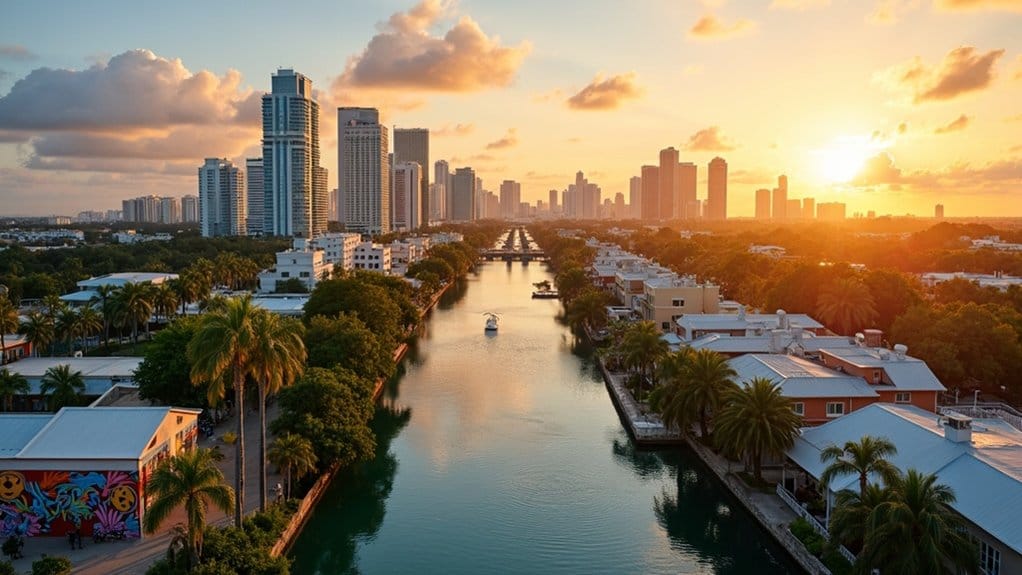
Checking out the cities around Miami reveals a vibrant economic landscape. Fort Lauderdale is known for its shipping industry, while West Palm Beach is emerging as a tech hub, and Miami serves as a center for finance. Together, these areas contribute to a substantial GDP of $533.674 billion, comparable to that of some smaller nations.
This economic vitality is evident in neighborhoods like Little Havana and Coral Gables, where you can find Cuban coffee shops just a short walk away from international banking offices. It’s a clear illustration of how cultural identity and commerce support one another.
This region is more than just a collection of cities; it’s a connected community where local universities, such as FIU, are preparing the next generation of entrepreneurs. Meanwhile, Wynwood’s vibrant street art scene is drawing in investors eager to support South Florida’s future.
With such dynamic interactions at play, it’s fascinating to see how these cultural and economic elements come together to shape the area.
Regional Economic Integration
The region surrounding Miami, which includes Fort Lauderdale and West Palm Beach, exemplifies the concept of regional economic integration. This tri-city area operates cohesively, functioning as a single economic entity rather than as isolated municipalities. With a combined GDP nearing $534 billion, the region influences shared infrastructure and complementary industries to increase its competitiveness on the global stage.
Transportation networks play a vital role in this integration. Major airports and highways effectively connect the three cities, facilitating the smooth movement of goods and people. This interconnectedness not only refines logistics but also strengthens collaboration among businesses.
In the finance and trade sectors, Miami’s strong global standing—ranking 26th worldwide—positively impacts neighboring cities. The collaboration between these sectors across city lines creates opportunities for growth and innovation, benefiting the entire region.
Tourism is another area where regional cooperation shines. By pooling resources and marketing efforts, the cities present South Florida as a unified destination, attracting visitors and boosting the local economy.
Shared Cultural Heritage
South Florida’s cultural heritage is a vibrant mosaic shaped by the diverse communities that reside here, particularly those from Cuba, Haiti, and Colombia. The experiences in neighborhoods like Little Havana, where the aroma of traditional cafés fills the air, or the lively rhythms of Haitian drumming echoing through Miami’s streets, illustrate the region’s multicultural identity.
Cultural events such as Carnaval Miami and the Calle Ocho Festival are prime examples of how these communities celebrate their traditions, showcasing a wide range of artistic expressions. These events attract millions of attendees, highlighting the importance of cultural heritage in the community.
Institutions like Florida International University and Miami Dade College play a crucial role in promoteing this cultural exchange. They serve a diverse student body that reflects the region’s rich demographics, further enriching the local cultural landscape.
Economically, South Florida’s cultural diversity is significant. As an Alpha minus global city, the metropolitan area generates approximately $533.674 billion across Miami-Dade, Broward, and Palm Beach counties.
This economic vitality underscores how the region’s cultural heritage and diversity aren’t only a source of community pride but also critical drivers of its economic success.
Understanding South Florida’s shared cultural heritage offers valuable insights into its identity and the benefits that diversity brings to both community life and the economy.
Directing South Florida: A Visitor’s Geographic Overview
The Miami metropolitan region, located at the southeastern tip of Florida, is a diverse area that encompasses a variety of interconnected communities.
With a population of approximately 6.45 million residents, this vibrant landscape offers a rich cultural experience for visitors and locals alike.
To guide South Florida effectively, it’s helpful to understand its three main geographic zones:
- Immediate Neighbors (within 9 miles): This includes Miami Beach, Brownsville, and North Bay Village. These areas are ideal for quick trips, whether you’re looking for beautiful beaches or local dining options.
- Mid-Range Destinations (20-26 miles): Fort Lauderdale, Weston, Princeton, and Cooper City fall into this category. Each of these suburban areas provides a unique slice of South Florida living, complete with parks, shopping, and family-friendly activities.
- Cultural Pockets: Neighborhoods like Little Havana and Wynwood aren’t just places to live; they’re cultural destinations in their own right. Little Havana is known for its Cuban heritage and vibrant street life, while Wynwood is famous for its street art and creative scene.
Understanding these geographic relationships can greatly improve your experience in South Florida.
Whether you’re seeking a relaxing day at the beach, looking into suburban neighborhoods, or immersing yourself in local culture, knowing where to go and how far each destination is will help you make the most of your visit.