

Thinking about a move to Miami? You’re not alone—many people are drawn to the vibrant lifestyle and opportunities this city offers. But before you take the plunge, it’s essential to consider some important factors.
For starters, be prepared for a cost of living that’s about 21% higher than the national average, with median home prices hovering around $518,000. The job market shows promise, especially in sectors like healthcare and finance, but keep in mind the current 4.2% unemployment rate.
On the brighter side, Miami boasts an impressive 250 sunny days each year, perfect for outdoor enthusiasts. However, you’ll also need to guide hurricane season and the notorious traffic congestion that comes with living in a bustling city.
Culturally, Miami is a melting pot, with a significant Hispanic or Latino population that creates a unique bilingual atmosphere. This diversity might resonate with your lifestyle and preferences.
Considering these factors will help you weigh the opportunities and challenges of living in Miami, making it easier to decide if it’s the right place for you. Curious to learn more? Let’s dive in!
Understanding Miami’s Climate: Year-Round Weather and Hurricane Season

Miami’s climate is characterized by year-round warmth, with an impressive average of about 250 sunny days each year. Temperatures typically range from a mild 76°F in winter to a hot 91°F in summer. However, it’s essential to consider how this tropical monsoon climate aligns with your personal comfort and lifestyle needs.
During the summer months, high humidity levels can significantly increase the perception of heat, which may affect how comfortable you feel. Individuals adapt to these conditions differently, so it’s important to assess your own tolerance for humidity and heat.
Another critical aspect of Miami’s climate is the hurricane season, which spans from June to November. This period necessitates careful planning and preparedness for potential storms. Residents should have emergency supply kits ready, know their evacuation routes, and take measures to protect their properties from severe weather.
Additionally, heavy rainfall during this season can lead to flooding in certain areas, making it vital to stay informed about local weather updates and flood risks.
Unlike regions with distinct seasons, Miami’s tropical climate lacks winter snow or autumn foliage. This absence of seasonal variation can be a benefit for some, while others may find it lacking in environmental diversity.
Ultimately, understanding Miami’s climate can help you make informed decisions about living in this vibrant city and prepare for its unique weather patterns.
Breaking Down the Cost of Living in Miami
Understanding the cost of living in Miami is essential before making the decision to relocate. Miami is the 10th most expensive city in the United States, with living costs about 21% higher than the national average. This information is crucial for anyone considering a move to this vibrant city.
To help you plan your finances effectively, here’s a breakdown of expected monthly expenses based on household size:
| Household Size | Monthly Non-Housing Expenses | Annual Income Target |
|---|---|---|
| Single Person | $1,000 | $43,700 |
| Family of Four | $3,700 | $82,100 |
When comparing costs, it’s important to account for rental prices, which typically range from $1,700 to $2,100 per month. A practical budgeting guideline is to allocate about 40-45% of your gross income toward housing. This approach can help assure that your finances remain stable while living in Miami.
Additionally, it’s wise to keep track of all your expenses meticulously. This practice will help you stay on top of your budget and make informed decisions about your spending. Additionally, remember to factor in the costs associated with hurricane preparedness and the generally higher insurance premiums that come with living in coastal areas.
Job Market Overview: Industries and Employment Opportunities

Once you have established your financial foundation, it’s important to assess the employment landscape in Miami to assure you have reliable income sources. Currently, Miami’s unemployment rate is 4.2%, which is slightly higher than the national average of 4.1%. This indicates a moderate level of competition for job positions in the area.
Miami’s economy offers a variety of career opportunities across several key sectors:
- Healthcare and Education: Institutions such as the University of Miami and Baptist Health South Florida are among the largest employers in the region. These organizations provide stability and job security, making them attractive options for job seekers.
- International Trade and Logistics: The Port of Miami, recognized as the world’s busiest cruise passenger port, creates ongoing job opportunities in hospitality and maritime operations. This sector is crucial for those interested in careers related to trade and logistics.
- Emerging Sectors: The city is also seeing growth in manufacturing, finance, and technology. These industries offer a welcome diversification beyond the traditional tourism-focused roles that dominate the local job market.
With an expected monthly income of around $2,700 after taxes, it’s essential to manage your budget effectively. The diverse job market in Miami not only allows for exploration of different career paths but also provides a level of employment stability that can withstand economic fluctuations.
Guiding Miami’s Housing Market and Neighborhoods
Miami’s housing market requires a careful look at both home ownership and rental costs. Currently, the median home price is around $517,987, which represents a 26% increase over the past year.
For rentals, you can expect monthly rates to fall between $1,700 and $2,100. It’s important to dig into neighborhood-specific data because places like Coconut Grove and Brickell have their own unique vibes and affect housing availability and prices differently.
Before making the move, setting a realistic budget is crucial, especially since Miami’s cost of living is about 21% higher than the national average.
As you consider your options, it can be helpful to check out the diverse neighborhoods in Miami, each offering its own character and amenities.
Understanding Rental and Housing Costs
When planning your housing budget in Miami’s competitive real estate market, it’s essential to understand the costs you might encounter.
Key Cost Benchmarks:
- Monthly Rental Rates: In Miami, rental prices typically range from $1,700 to $2,100. If you’re looking at luxury rentals, particularly in popular neighborhoods like Brickell and Coconut Grove, expect to pay significantly more.
- Home Purchase Pricing: The median home price in Miami is currently $517,987, which reflects a 26% increase from the previous year. This surge can make it challenging for many buyers to find affordable options.
- Cost Mitigation Strategies: Given that Miami’s cost of living is about 21% higher than the national average, many residents are opting to share apartments as a practical solution. This approach can help manage expenses, especially in a market where affordable housing is limited.
To effectively direct these costs, it’s advisable to conduct thorough research on specific neighborhoods, as rental and purchase prices can vary widely across areas like Wynwood, Coconut Grove, and Brickell.
Additionally, consider connecting with local networks to check out roommate arrangements that can help optimize your housing budget.
Checking out Miami’s Diverse Neighborhoods
When considering a move to Miami, your housing choice is influenced not just by price, but also by the neighborhood that best fits your lifestyle and budget.
For example, Coconut Grove is known for its relaxed, bohemian vibe, making it an appealing choice for those who enjoy community engagement and local dining experiences. On the other hand, if you’re looking for a more urban experience, Brickell is Miami’s financial center, offering a dense environment with easy access to nightlife and professional opportunities.
For creative professionals, the Wynwood arts district is a vibrant hub filled with galleries and cultural events that encourage collaboration and inspiration.
To make informed decisions and manage costs effectively, it’s essential to use available resources. School housing departments, Facebook groups, and local organizations can provide valuable insights and support.
Rental prices in Miami typically range from $1,700 to $2,100 per month, and considering shared housing arrangements can significantly alleviate financial pressure.
Strategically choosing your neighborhood is crucial, especially as you work to maintain a monthly budget. For a household of four, monthly expenses can average around $3,700, making it important to analyze location options carefully.
With the median home price in Miami at $517,987, understanding the dynamics of each neighborhood will help you create a sustainable financial plan in this competitive market.
Transportation, Traffic, and Getting Around the City
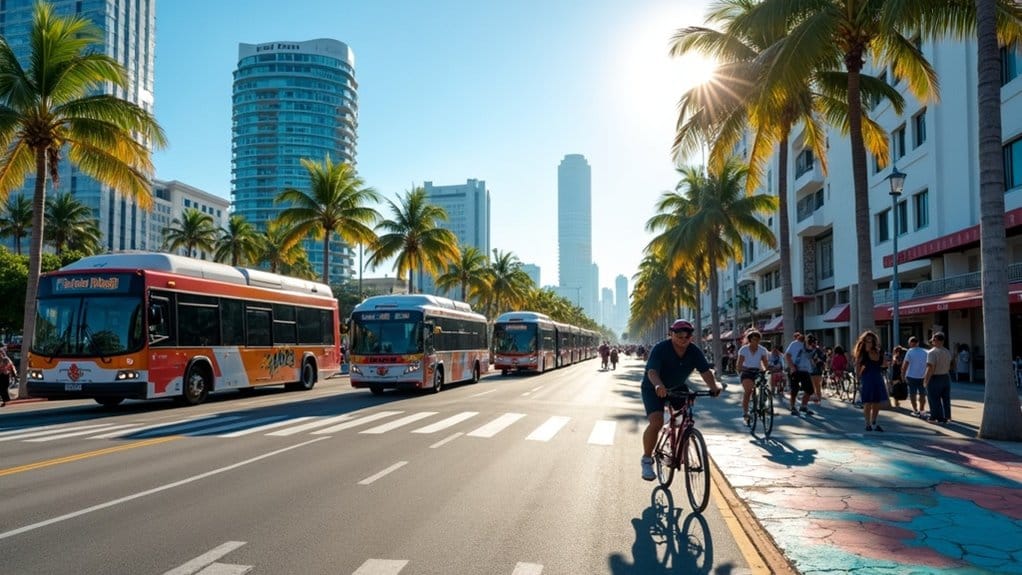
Miami’s expansive layout stretches across 55 miles of coastline, making car ownership not just convenient but essential for most residents. While the city does offer public transportation options, the current infrastructure often falls short of meeting the comprehensive mobility needs of its population.
Here are the primary transit options available:
- Metrorail and Metrobus System: This includes a 25-mile improved rail network and over 95 bus routes, with each trip costing $2.25. However, the coverage can be limited, particularly for a city of Miami’s size.
- Metromover: A free automated service that operates in the Downtown and Brickell areas. While it’s a great way to guide these bustling neighborhoods, its coverage is restricted.
- Ride-sharing Services: Services like Lyft and Uber are popular choices in Miami, largely due to the gaps in public transportation.
It’s important to note that Miami ranks fifth in the nation for traffic congestion, which can lead to significant delays during commutes.
Without substantial improvements to traffic management and the expansion of public transport networks, residents often find themselves spending considerable time in traffic.
Therefore, when considering relocation to Miami, it’s crucial to factor in the costs associated with vehicle ownership, including maintenance, fuel, and insurance.
In summary, while Miami offers some public transport options, a personal vehicle remains the most practical means of getting around, especially for those who need to travel beyond the limited transit coverage.
Understanding these dynamics can help you plan effectively for life in this vibrant city.
Cultural Diversity, Language, and the Miami Lifestyle
Miami’s unique demographic, with over 70% of residents identifying as Hispanic or Latino and 60% speaking Spanish, shapes a living environment that influences daily interactions and cultural integration.
The city serves as a bridge between American and Latin American systems, which means you’ll need to guide a bilingual professional landscape.
Additionally, the beach-centric lifestyle here affects social patterns and work-life balance in ways that might differ from more traditional urban centers. This ultimately impacts everything from networking opportunities to how you spend your weekends.
As we check out more about Miami, it’s interesting to see how these cultural dynamics play a role in the city’s vibrant community life.
Miami’s Multicultural Melting Pot
The demographic composition of Miami significantly influences the daily experiences of its residents. The city’s diverse population encourages a unique environment shaped by three main factors:
1. Linguistic Infrastructure: Miami is home to a diverse linguistic landscape, with approximately 60% of residents speaking Spanish and over 70% identifying as Hispanic or Latino. This bilingual environment not only improves language acquisition for newcomers but also promotes effective cross-cultural communication.
Residents often find themselves guiding both English and Spanish in everyday interactions, which can enrich their understanding of different cultures.
2. Cultural Festivals and Events: Miami hosts a variety of cultural festivals, such as the Calle Ocho Festival and the Miami Film Festival. These events provide structured opportunities for cultural immersion, allowing residents to engage with different traditions and communities.
Attending these festivals can lead to a deeper appreciation of the city’s rich cultural tapestry and encourage active participation in community life.
3. Culinary Experiences and Food Systems: The city’s restaurant scene, featuring establishments like Versailles and Coyo Taco, offers residents access to authentic Latin American cuisine. This culinary diversity not only satisfies appetites but also serves as a platform for cultural exchange.
Dining at these restaurants allows residents to experience flavors and dishes that reflect the heritage of their neighbors, strengthening a sense of community and shared experience.
Spanish Language Opportunities
Miami offers a unique environment for Spanish language learning, largely due to its diverse linguistic landscape. With approximately 60% of the population speaking Spanish, residents have ample opportunities to practice the language daily in various settings, such as at home, in businesses, and during social interactions.
In neighborhoods like Little Havana, many businesses operate primarily in Spanish, which means that routine activities—like shopping or dining—can serve as practical language-learning experiences. This immersion helps reinforce vocabulary and phrases used in everyday life, making language acquisition more effective and engaging.
Additionally, Miami supports structured language learning through several resources. Language exchange programs are available, allowing learners to connect with native speakers at similar proficiency levels. These exchanges create a supportive environment for practicing conversational skills.
Cultural festivals and community events throughout the year also offer immersive experiences, where participants can experience the language in a festive context, further boosting their learning.
Overall, Miami’s rich cultural and linguistic infrastructure provides a comprehensive framework for learning Spanish. By engaging in professional situations, negotiating transactions, and participating in community activities, learners can transform passive vocabulary into active communication skills.
This approach emphasizes the importance of real-world application over traditional, isolated study methods, paving the way for learners to progress from beginner to fluent speaker through consistent exposure and practice.
Relaxed, Beach-Inspired Living
Miami is a prime example of a coastal city that truly embodies a relaxed, beach-inspired lifestyle. Several key factors contribute to this environment, making it an attractive place for those seeking a laid-back way of living.
First, Miami boasts an extensive network of nearly 300 parks. This thoughtful distribution make sures that residents have easy access to green spaces where they can enjoy outdoor dining and recreational activities. Parks are strategically located near residential areas, allowing for convenient leisure opportunities right in the neighborhood.
Additionally, Miami’s coastline is designed to support beach activities year-round. The city’s public access points are well-maintained, and a range of amenities improves the experience for beachgoers. This infrastructure strengthens social interactions, making it easy for friends and families to gather and enjoy the sun and surf together.
Cultural elements also play a significant role in Miami’s relaxed lifestyle. The city’s vibrant Cuban-influenced coffee culture creates community hubs where people come together, often prioritizing conversation and connection over mere transactions. With around 60% of residents being bilingual, this cultural richness strengthens an inclusive environment that encourages socialization.
Furthermore, Miami’s demographic diversity, with a significant Hispanic/Latino population making up about 70% of residents, adds to the city’s unique character. This diversity not only enriches the community but also creates a variety of cultural experiences that contribute to a relaxed, vibrant lifestyle.
Weighing the Pros and Cons of Miami Living
Living in Miami offers a unique blend of lifestyle benefits and challenges that are important to consider. The city is well-known for its stunning beaches, vibrant nightlife, and rich cultural experiences. However, these perks come at a price, with the cost of living approximately 21% higher than the national average.
For example, the median home price in Miami is around $517,987, which necessitates a solid financial plan for potential homeowners.
Transportation in Miami can also be a significant hurdle. The public transit system is limited, making car ownership nearly essential for daily commuting. This reliance on personal vehicles can lead to frustrating traffic congestion, which may impact your daily routine and overall quality of life.
Additionally, Miami’s tropical climate has its own set of challenges. While the warm weather is a major draw for many, the humidity can be uncomfortable, and the hurricane season, which runs from June to November, necessitates careful planning and preparedness for potential emergencies.
Ultimately, deciding to live in Miami means weighing the lifestyle advantages against these structural challenges. It’s crucial to assess your own priorities, whether they lean more toward enjoying the vibrant community and activities or managing the financial and logistical demands of living in this bustling city.
Is Miami Right for You? Making Your Decision

Deciding whether Miami is the right place for you requires careful consideration of several important factors. To help you direct this decision, let’s break down the key criteria for relocating to Miami.
1. Financial Considerations****
Before making the move, it’s essential to assess your financial situation. Miami has a cost of living that’s approximately 21% higher than the national average. This includes housing costs ranging from $1,700 to $2,100 monthly, depending on your choice of neighborhood and type of accommodation.
Additionally, you should budget for monthly expenses that can vary widely, from $1,000 to $3,700, based on your household size and lifestyle. A thorough analysis of your income and expenses will help you determine if you can comfortably afford to live in Miami.
2. Job Market Evaluation****
Understanding the job market is crucial for anyone considering a move to Miami. The city has a relatively low unemployment rate of 4.2%, which indicates a stable job market. Opportunities abound in sectors such as finance, manufacturing, and healthcare.
It’s important to evaluate whether your skills and career goals align with the available opportunities in these industries. Conducting research on potential employers and networking within your field can provide valuable insights into your prospects in Miami.
3. Lifestyle Fit****
Miami offers a unique lifestyle characterized by its warm climate, with about 250 sunny days each year, but it also comes with high humidity and the need for hurricane preparedness.
Think about whether this environment suits your personal preferences and lifestyle. Additionally, Miami has a rich cultural tapestry, with a significant Hispanic/Latino population that contributes to the city’s vibrant community life. Engaging with local events, festivals, and cultural activities can improve your living experience, so consider how important community involvement is to you.