
If you’re considering a visit to Overtown in Miami, you might be wondering about safety in the area. With unique cultural heritage and ongoing revitalization efforts, Overtown has much to offer, but it’s important to be informed about the realities of the neighborhood. Understanding the crime rates, which are notably higher than the national average, can help you make better choices for your visit. Safety can vary significantly from one part of Overtown to another, and knowing when to go can also impact your experience. Let’s look into deeper into what you should know before analyzing this vibrant community.
Understanding Overtown’s Crime Statistics and Safety Landscape in 2025
When assessing the safety profile of Overtown, it’s essential to look closely at the crime statistics, which reveal some significant concerns. The overall crime rate in Overtown is 44.38 per 1,000 residents, which is notably higher than the national average.
Specifically, the violent crime rate is 10.97 per 1,000 residents, with incidents of assault and robbery being the most prevalent. Property crime also poses a challenge, with a rate of 30.79 per 1,000 residents, largely driven by theft.
For those asking whether Overtown is dangerous, the data suggests that there are heightened risks to consider. The neighborhood has received a safety grade of C-, placing it in the 37th percentile nationally for safety.
Furthermore, crime-related costs are estimated to reach $7.7 million in 2025, which translates to about $702 per resident.
These statistics reflect some significant safety challenges in Overtown. If you’re contemplating a visit or a move to the area, it’s crucial to take these factors into account in order to make an informed decision about your safety and security.
Understanding these statistics can help you direct Overtown’s safety landscape more effectively.
Historical Context: From Harlem of the South to Urban Challenges
To understand Overtown’s current safety challenges, it’s important to look at its significant transformation from a vibrant cultural hub to one of Miami’s economically struggling neighborhoods.
From the 1920s to the 1950s, Overtown was known as the “Harlem of the South,” attracting famous jazz musicians and nurturing a thriving African American community.
However, the construction of I-95 through the heart of the neighborhood in the 1960s led to a long period of economic decline.
This decline has resulted in high unemployment and poverty rates, with crime statistics now sitting at 224% above the national average.
With this historical backdrop in mind, we can go deeper into into the specific factors contributing to Overtown’s current challenges and check out potential paths forward for revitalization and community support.
Overtown’s Prosperous Jazz Era
During the 1920s and 1930s, Overtown emerged as a significant hub for African American culture and jazz music in Miami, earning the title of the “Harlem of the South.” This period marked the neighborhood’s peak in cultural and economic vitality, showcasing the talents of legendary performers who contributed to its vibrant music scene.
The prominence of the jazz scene in Overtown can be attributed to three main factors:
- The Lyric Theater – This historic venue played a crucial role in Overtown’s cultural landscape by hosting iconic artists such as Billie Holiday and Duke Ellington. Their performances not only entertained but also helped solidify Overtown’s reputation on a national level.
- Economic Prosperity – During this era, Overtown boasted a thriving commercial district that catered to the needs of the African American community. Local businesses flourished, providing essential services and encourageing economic growth within the neighborhood.
- Cultural Influence – Overtown became a magnet for influential musicians and intellectuals, creating a rich environment for artistic expression and collaboration. This concentration of talent contributed to the development of a unique cultural identity that resonated throughout the broader African American experience.
Unfortunately, the golden age of Overtown was followed by a decline in the mid-20th century, leading to various challenges, including safety concerns that persist today.
Current crime rates in the area are significantly above national averages, measuring 224% higher. Understanding Overtown’s historical significance and its evolution can offer valuable insights into the complexities of urban development and community resilience.
Decline and Economic Struggles
The decline of Overtown, once known as the “Harlem of the South,” is a significant case study in urban development and its effects on communities. In the 1960s, urban renewal projects aimed at revitalizing cities led to the systematic dismantling of Overtown’s infrastructure. These initiatives displaced many residents and businesses, resulting in an irreversible economic decline that has shaped the neighborhood’s trajectory for decades.
Currently, Overtown grapples with serious socio-economic challenges, evidenced by crime rates that are 224% higher than the national average. Unemployment and poverty remain persistent issues, limiting opportunities for the residents who call this neighborhood home. This economic deterioration hasn’t only affected the local economy but has also influenced the overall quality of life for its inhabitants.
Despite efforts to revitalize Overtown, the challenges of high crime rates and economic stagnation continue to pose significant hurdles. Residents often express concerns over safety and the availability of resources, which further impacts their daily lives.
Understanding the historical context and ongoing struggles of Overtown is essential for grasping the complexity of urban renewal and its long-term effects on communities. Addressing these issues requires a collaborative approach, emphasizing economic development and community support to promote a safer and more prosperous environment for all residents.
Breaking Down Crime Types: Violent vs. Property Offenses in Overtown
When assessing the safety of Overtown, it’s important to understand the differences between violent and property crimes, as these categories represent the main concerns for residents. The statistics reveal that Overtown has a violent crime rate of 10.97 incidents per 1,000 residents. Among these, assaults are the most prevalent, accounting for 9.172 incidents, followed by robberies at 1.259 incidents per 1,000 residents.
On the other hand, property crime poses a greater concern, with a rate of 30.79 per 1,000 residents.
2024 Crime Statistics Overview:
- Violent Crimes: There were a total of 2,179 violent crime incidents reported, highlighting immediate threats to personal safety.
- Theft Offenses: Theft leads the statistics with 10,545 documented incidents, making it the largest category of crime in Overtown.
- Burglary Cases: There were 1,355 reported burglary incidents, which signify a notable risk of property intrusion.
These figures indicate that residents in Overtown are approximately three times more likely to encounter property crime compared to violent crime.
It’s important to note that both crime rates are significantly higher than the national averages. Understanding these statistics can help residents make informed decisions about safety and security measures in their community.
Geographic Safety Variations: Which Parts of Overtown Are Safer
Geographic safety in Overtown can vary significantly based on the specific neighborhood blocks you are in. For those looking to guide this area, the southwest sections are generally considered the safest, featuring the lowest concentration of crime. In contrast, the northeast blocks present a higher risk, with victimization rates affecting about 1 in every 13 residents. This understanding of geographic safety is crucial for anyone seeking to mitigate personal risk while in Overtown.
Here’s a breakdown of the safety assessments for different areas in Overtown:
| Geographic Zone | Safety Assessment |
|---|---|
| Southwest Overtown | This area is the safest, with the lowest crime rates. |
| Northeast Overtown | This zone has the highest risk, with a victimization rate of 1 in 13. |
| Central blocks | Safety varies in these blocks, requiring increased awareness. |
| Perimeter areas | These areas have mixed safety profiles that depend on the specific location. |
It’s important to approach each area with caution, as crime incidents can occur approximately every 18 hours across Overtown. Research indicates that your safety is closely linked to your geographic position within the neighborhood. By understanding these dynamics, you can better direct Overtown with awareness of where potential risks may lie.
When visiting or living in Overtown, being informed about the safest areas can help you make better decisions regarding your safety and security.
Daytime vs. Nighttime Safety: When to Visit and What to Expect
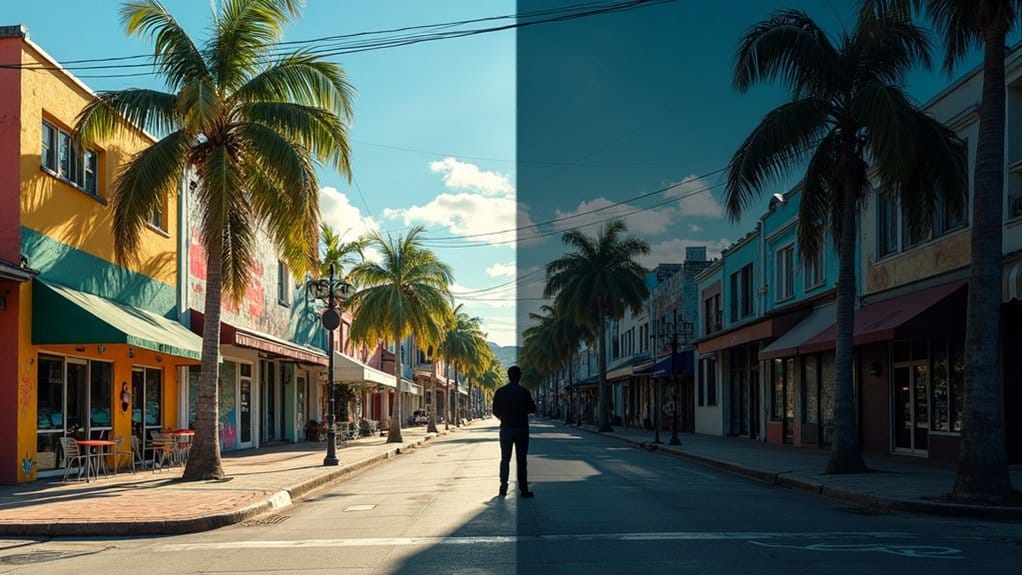
When considering a visit to Overtown, it’s crucial to understand how timing can influence your safety. Research indicates that violent crime rates tend to rise significantly after dark, reaching approximately 10.97 incidents per 1,000 residents. This spike makes nighttime visits less advisable, as the risks associated with violent crime increase.
During the day, conditions are generally more manageable, though it’s still important to stay aware of your surroundings and potential property crimes. While the atmosphere may feel safer, vigilance is always a key component of personal safety.
Here are some safety recommendations based on the time of your visit:
- Daytime Visits: When visiting Overtown during daylight hours, it’s advisable to practice standard urban safety measures. This means being aware of your surroundings, securing your belongings, and being cautious of potential property crimes.
- Nighttime Travel: For those considering a visit after dark, it’s best to avoid traveling alone. Join guided groups or attend organized events, which can provide an added layer of safety in an environment where violent crime risks are heightened.
- Awareness of Property Crime: It’s important to maintain awareness of property crime at all times. Data shows that theft and vehicle break-ins occur at a rate of 30.79 incidents per 1,000 residents, regardless of the time of day.
Current Revitalization Projects and Community Development Initiatives
Overtown is currently experiencing a significant transformation due to various revitalization projects aimed at improving the neighborhood’s economic and social conditions. Miami-Dade County has made a considerable investment in infrastructure, which includes renovations of public spaces and upgrades to transportation systems. The Overtown Community Redevelopment Agency is at the forefront of these efforts, focusing on developing affordable housing and improving public safety.
The revitalization initiatives emphasize several key areas:
| Development Focus | Implementation Strategy |
|---|---|
| Economic Growth | Establishing new businesses and community centers |
| Infrastructure | Renovating public spaces and upgrading transportation facilities |
| Community Services | Creating job opportunities and expanding educational resources |
| Cultural Improvement | Supporting art programs and promoting local artists |
These efforts are bolstered by partnerships with local organizations, which play a crucial role in driving community development. These collaborations not only aim to create employment opportunities but also seek to preserve and celebrate Overtown’s rich cultural heritage through targeted art and cultural initiatives.
Cultural Significance and Community Assets Worth Looking into
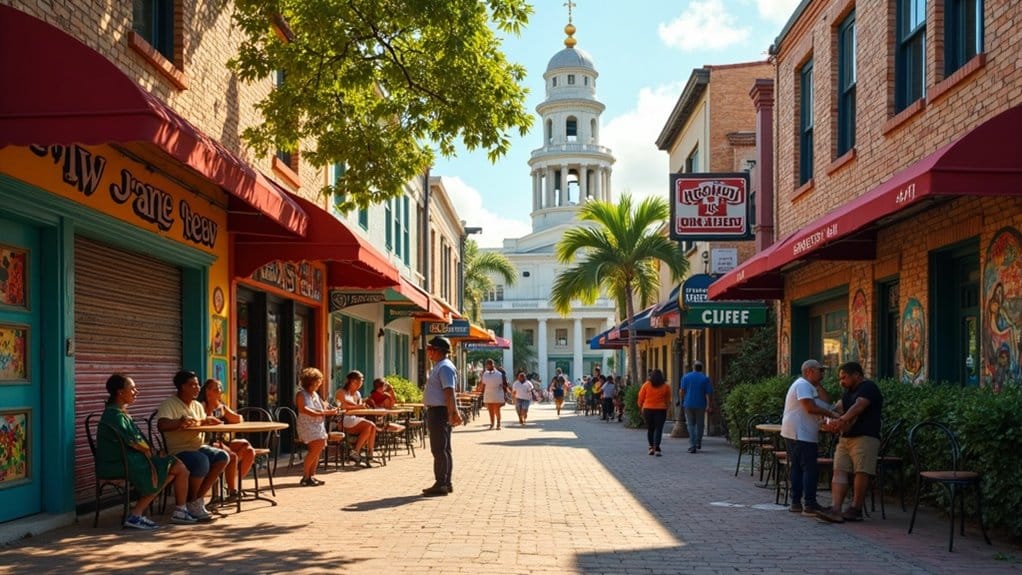
Overtown has a rich cultural heritage that dates back to the 1930s and 1940s when it emerged as Miami’s center for African American entertainment, often referred to as the “Harlem of the South.”
During this vibrant period, the neighborhood’s entertainment district along Second Avenue became a stage for renowned jazz and blues artists such as Ella Fitzgerald, Count Basie, and Billie Holiday. The historic Lyric Theater, which opened in 1913 and has a seating capacity of 400, stands as a significant cultural landmark and is integral to ongoing revitalization efforts in the area.
When you check out Overtown‘s cultural assets, you’ll discover several noteworthy elements:
- Public Art Installations and Murals: Throughout Overtown, you’ll find various public art displays and murals that celebrate and document the African American heritage of the community. These artworks not only beautify the neighborhood but also serve as a visual narrative of its history and cultural significance.
- The Overtown Music & Arts Festival: This annual festival highlights local talent, featuring performances from musicians and artists who contribute to the vibrant cultural scene in Overtown. The festival not only showcases the creativity of the community but also strengthens a sense of pride and unity among residents.
- Community-Led Preservation Initiatives: Local organizations and community members actively work to preserve historical sites in Overtown. These initiatives not only protect the neighborhood’s cultural legacy but also promote economic development by attracting visitors and encouraging local businesses.
These cultural assets reflect Overtown’s dedication to preserving its unique identity while directing the challenges of modernization.
Practical Safety Tips for Visitors and Residents in Overtown
Considering that Overtown’s crime rate is notably higher than the national average, with violent crimes reported at 348.4 per 100,000 residents, it’s important to take some practical safety measures.
Staying aware of your surroundings and keeping an eye on local crime trends can really help you stay safe in this area. Additionally, securing your belongings and property is essential, as theft is a significant concern here.
Now that we’ve covered safety precautions, let’s discuss some community resources and support systems available to both visitors and residents in Overtown.
Stay Alert and Aware
Staying alert and aware is essential, especially in neighborhoods with higher-than-average crime rates, such as Overtown, where the violent crime rate significantly exceeds the national average. To protect yourself effectively, it’s important to adopt practices that increase your situational awareness.
Key Practices for Boostd Awareness:
- Stay Aware of Your Surroundings: Regularly scan your environment. Pay attention to the people around you, noting their behavior and any signs that might indicate a potential threat. Identify escape routes and safe places nearby, such as stores or well-lit areas.
- Limit Distractions: When you’re out in public, try to minimize distractions. This means reducing phone use and avoiding headphones so you can stay focused on your surroundings. Being present allows you to react quickly to any changes in your environment.
- Trust Your Gut Feelings: If something doesn’t feel right, don’t ignore that instinct. Move to a safer location, such as a busy area or a nearby business, where you can feel more secure. It’s better to be cautious than to ignore your intuition.
Additionally, it’s wise to stay informed about local safety updates and crime statistics. Regularly checking community safety resources can provide valuable insights into current crime trends and potential risks.
By understanding the local landscape, you can make informed decisions that improve your personal safety in Overtown.
Secure Your Property
Securing your property is a crucial step in assuring your personal safety, especially in areas like Overtown, where the crime rate is significantly higher than the national average. To effectively protect your home, consider installing a reliable home security system. With property crime rates at 30.79 incidents per 1,000 residents, having a robust security system can act as a strong deterrent to potential intruders.
Start by equipping all entry points—doors and windows—with quality locks. These locks serve as your first line of defense against break-ins.
Additionally, it’s wise to install outdoor lighting around your property. Properly placed lights can eliminate dark areas where intruders may feel more comfortable operating at night.
It’s also important to keep your valuables out of sight. Many theft incidents occur because items of value are easily visible from outside. Storing these items securely can help reduce the likelihood of becoming a target.
Furthermore, getting involved in community engagement programs can boost security for everyone. Joining or supporting neighborhood watch initiatives promotes a sense of collective vigilance.
When neighbors work together to monitor their surroundings and report suspicious activities, it creates a safer environment for all residents.
How Overtown Compares to Other Miami Neighborhoods in Safety
When examining safety in Overtown compared to other neighborhoods in Miami, it’s essential to look at the statistics to understand the differences clearly. Overtown has a safety rating that places it in the 37th percentile nationally, earning a C- grade. In contrast, neighborhoods such as Coral Gables and Coconut Grove consistently report much higher safety ratings.
Here are some key metrics to consider:
- Overall Crime Rate: Overtown experiences a crime rate of 44.38 incidents per 1,000 residents, which is significantly higher—224% above the national average. This is a notable concern when juxtaposed with the safer neighborhoods in Miami.
- Violent Crime Rate: The violent crime rate in Overtown stands at 10.97 per 1,000 residents. This figure is 101% above national averages, highlighting a significant safety challenge, especially for families considering the area.
- Property Crime: Overtown’s property crime rate is 30.79 incidents per 1,000 residents. This high rate plays a major role in the neighborhood’s reputation as one of Miami’s more hazardous areas.
These statistics illustrate the distinct safety differences among various neighborhoods in Miami. Understanding these factors can help individuals make informed decisions about where to live or visit, and it’s important to consider safety as a key factor when evaluating neighborhoods in Miami.