Are you curious about the ZIP codes that define Miami? Whether you’re planning to move, visit, or just want to know more about this vibrant city, understanding its postal zones can be quite important. Miami isn’t just one big area; it boasts 102 unique ZIP codes that cover around 630 square miles. Each code represents different neighborhoods, impacting everything from where you live to how quickly emergency services can reach you. For instance, areas like South Beach and Brickell each have their own distinct codes, and knowing these can help you guide the city better. Want to find out more about how these postal boundaries shape Miami’s communities? Keep reading to discover the fascinating details behind Miami’s ZIP codes.
Understanding Miami’s ZIP Code System and Geographic Organization
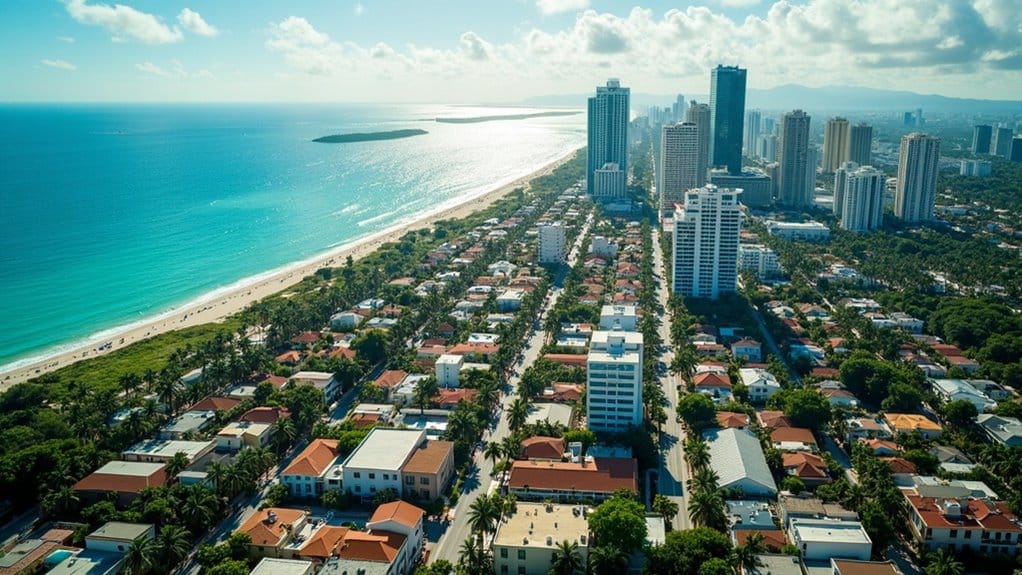
Miami’s ZIP Code system is essential for organizing the city into 102 unique postal zones, which facilitate efficient mail delivery and geographic identification.
If you’re looking for the ZIP code of Miami, Florida, you’ll discover there are 64 Standard ZIP Codes, 32 PO Box ZIP Codes, and 6 Unique ZIP Codes allocated for specific purposes. These ZIP Code areas cover approximately 630.80 square miles, with coordinates at a latitude of 25.7176 and a longitude of -80.4139.
Understanding Miami’s ZIP Code structure is important, as it can influence various aspects of daily life, including school districts, insurance rates, and access to amenities.
For instance, ZIP Code 33186 is home to approximately 69,866 residents, while ZIP Code 33125 has around 53,507 residents.
By familiarizing yourself with this system, you’ll gain valuable insights into Miami’s diverse neighborhoods and community characteristics, helping you guide the city more effectively.
Whether you’re moving to the area or just curious about its organization, grasping the significance of the ZIP Codes can improve your understanding of Miami as a whole.
Complete Directory of Miami Neighborhood ZIP Codes
Directing the 102 ZIP Codes in Miami can be complex, but understanding these postal zones is essential for anyone looking to engage with the city’s neighborhoods and communities. If you’re wondering about the ZIP Code for Miami, it’s important to note that the metropolitan area is served by various designations, including 64 Standard, 32 PO Box, and 6 Unique types. Each of these serves specific geographic needs.
To give you a clearer picture, here are a few neighborhoods along with their corresponding ZIP Codes:
| Neighborhood | ZIP Codes |
|---|---|
| Brickell | 33129, 33130, 33131 |
| Coconut Grove | 33133 |
| Coral Gables | 33134 |
| South Beach | 33139 |
Among these, some notable ZIP Codes include 33125, which has a population of about 53,507, and 33186, home to around 69,866 residents. The ZIP Code 33139 encompasses South Beach, a vibrant area known for its nightlife and cultural attractions.
Understanding your specific ZIP Code is crucial, as it can affect various aspects of life in Miami, such as property values, school district assignments, and demographic insights. By familiarizing yourself with the ZIP Code system in Miami, you can gain a better understanding of real estate opportunities and accessibility to services in different neighborhoods.
Miami Beach and Coastal Area ZIP Codes
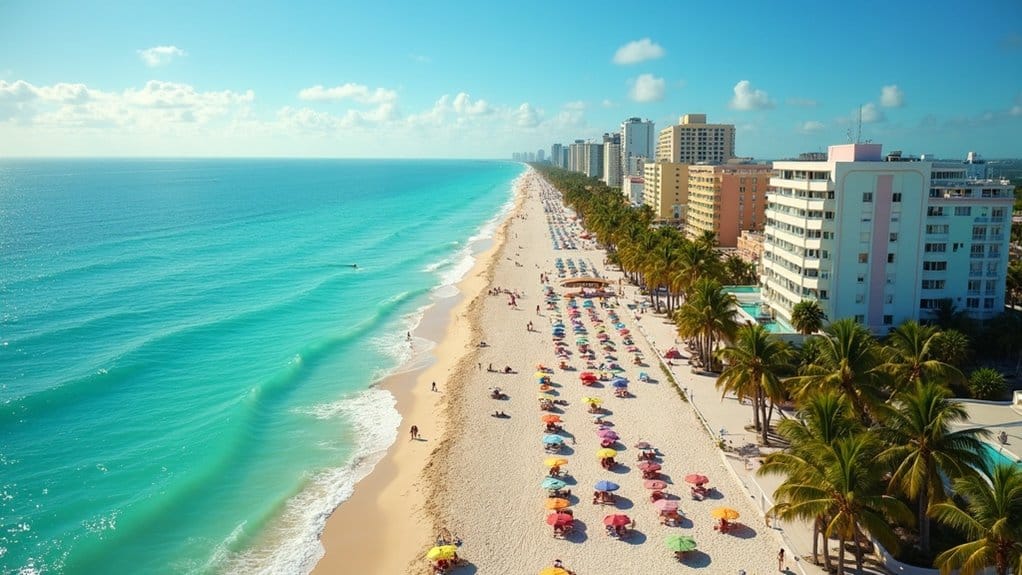
The coastal area of Miami is home to several ZIP codes that define its various neighborhoods and attractions. Specifically, for Miami Beach, the main ZIP codes are 33139 and 33140. These codes cover the primary resort areas known for their lively nightlife and iconic Art Deco architecture.
If you’re looking for a quieter atmosphere, ZIP code 33141 represents North Beach, which offers a more laid-back coastal experience.
These Miami Beach ZIP codes reflect the high population density typical of prime resort destinations, largely due to the influx of tourists. The concentration of hotels, restaurants, and entertainment venues in these areas attracts millions of visitors each year, significantly impacting the local economy.
In fact, Miami Beach’s economy relies heavily on tourism and the hospitality industry, making these ZIP codes crucial for business operations and service delivery.
Understanding the ZIP codes of Miami Beach can provide valuable insights into the region’s character and its role in South Florida’s tourism landscape.
Whether you’re a visitor planning a trip or a local business owner, being familiar with these postal designations can improve your experience and operations in this vibrant area.
Downtown Miami and Brickell ZIP Code Coverage
Downtown Miami is primarily covered by ZIP codes 33130, 33131, and 33132, which represent the heart of the city’s central business district.
Just next door, the Brickell neighborhood spans three ZIP codes as well: 33129, 33130, and 33131, with 33131 acting as the boundary between the two areas.
These ZIP code distinctions help clarify the differences between Downtown’s bustling commercial scene and Brickell’s upscale residential environment.
With that in mind, let’s analyze what makes these neighborhoods unique and how they contribute to the vibrant culture of Miami.
Downtown Miami ZIP Codes
Downtown Miami is characterized by three primary ZIP codes: 33130, 33131, and 33132. These codes are essential in defining the city’s vibrant urban core, which is a hub for both commercial and residential activities.
If you’re looking to understand what the ZIP codes in Miami, Florida, are, these three serve as the focal point of urban life in the area. Each ZIP code has its unique attributes that impact real estate values, service distribution, and demographic insights.
Overview of Downtown Miami ZIP Codes:
- 33130: This ZIP code primarily covers the northern section of downtown and is known for its mixed-use developments. Here, you’ll find a blend of residential, retail, and office spaces, making it an attractive option for those seeking a bustling urban lifestyle.
- 33131: Encompassing prime waterfront properties, 33131 is home to several high-rise residential towers and luxury condominiums. This area is particularly sought after for its stunning views and proximity to the water, making it a desirable location for both residents and investors.
- 33132: This ZIP code includes significant government buildings, cultural institutions, and commercial centers. The presence of these facilities contributes to the area’s dynamic atmosphere and supports a range of services for residents and visitors alike.
All three ZIP codes in Downtown Miami support a high-density infrastructure that caters to a growing population and offers extensive amenities.
Understanding these ZIP codes is crucial for directing the local real estate market, accessing essential services, and recognizing neighborhood boundaries. This knowledge empowers you to make informed decisions whether you’re looking to move to the area, invest, or simply check out what Downtown Miami has to offer.
Brickell’s Three ZIP Zones
Brickell is a prominent financial district located adjacent to Downtown Miami, and it has three primary ZIP codes: 33129, 33130, and 33131. Understanding these ZIP codes is essential for anyone seeking to learn more about the area, whether for residential or commercial purposes.
The 33130 ZIP code serves as a vital link between Brickell and Downtown Miami, offering a blend of corporate offices and residential spaces. This integration strengthens a dynamic environment where professionals and residents coexist, making it an attractive choice for those looking to live and work in the same area.
In contrast, the 33131 ZIP code is known for its luxury condominiums and vibrant nightlife. This zone is particularly appealing to both residents and tourists, as it features a variety of upscale dining, entertainment options, and cultural attractions that increase the Brickell experience.
Lastly, the 33129 ZIP code contributes to Brickell’s overall character and high population density. It encompasses a mix of residential areas and amenities that cater to the community’s needs.
Together, these three ZIP codes illustrate Brickell’s rapid growth and appeal, as reflected in recent census data showing Miami’s ongoing metropolitan expansion. Understanding these areas can help you guide the real estate landscape or simply appreciate what Brickell has to offer.
Central Business District Boundaries
Miami’s Central Business District (CBD) is defined by several ZIP codes that outline the city’s commercial and financial core. If you’re looking for the Miami ZIP codes for business purposes, it’s important to be aware of these boundaries.
The Downtown Miami area includes ZIP codes 33132 and 33137, while the Brickell neighborhood is covered by 33130 and 33131.
Understanding these ZIP codes is essential for businesses operating in Miami, as they indicate the heart of the city’s economic activity.
Key characteristics of Miami’s CBD include:
- Financial Hub: The Brickell area is known for its concentration of major banking institutions and corporate headquarters, making it a vital spot for financial services and international business.
- Cultural Attractions: In Downtown Miami, you’ll find notable cultural sites like Bayfront Park and the Pérez Art Museum Miami, which contribute to the area’s vibrant atmosphere.
- Mixed-Use Development: The CBD features high-rise residential towers alongside commercial office spaces, creating a dynamic living and working environment across all four ZIP codes.
- Transportation Accessibility: Both Downtown and Brickell offer extensive public transit options and pedestrian-friendly infrastructure, making it easy for professionals and visitors to direct the area.
These ZIP codes not only define the geographical boundaries of Miami’s Central Business District but also shape the economic landscape where luxury living blends with global finance.
Understanding these areas is crucial for anyone looking to establish or expand a business presence in Miami.
Popular Residential Neighborhoods and Their ZIP Codes
Miami is home to a variety of popular residential neighborhoods, each with its own unique ZIP codes that highlight their distinct features.
For instance, the Brickell Financial District is primarily found in the 33131 area, while Little Havana‘s vibrant community spreads across several ZIP codes, showcasing its rich cultural diversity.
Over in Coconut Grove, you’ll find the historic charm of the neighborhood centered around 33133, where its bohemian roots and waterfront properties create a unique living experience.
As we dive deeper into Miami’s neighborhoods, let’s check out what makes each area special and the lifestyle they offer.
Brickell Financial District ZIPs
The Brickell Financial District is defined by two primary ZIP codes, 33129 and 33131, which are central to Miami’s upscale urban living. These areas are known for their luxury residential developments and are particularly appealing to young professionals and affluent residents who value access to high-end amenities and cultural attractions.
Key features of Brickell’s ZIP codes include:
- Luxury Living: The Brickell area boasts a wide range of upscale condominiums, many of which offer state-of-the-art facilities and stunning waterfront views. This makes it a sought-after location for those looking to enjoy a high standard of living.
- Transportation Options: The Metromover system provides efficient and convenient transportation throughout downtown Miami, making it easy for residents to guide the area without the need for a car.
- Vibrant Lifestyle: Brickell is home to a dense concentration of restaurants, nightlife venues, and entertainment options. This vibrant atmosphere contributes to the district’s appeal, allowing residents to enjoy a rich social life.
- Live-Work Balance: The strategic mix of residential towers and commercial office spaces in Brickell promotes a live-work environment, allowing individuals to live close to where they work. This is particularly beneficial for those in the finance and business sectors.
The population density in Brickell highlights its status as Miami’s premier financial and residential district, combining convenience with sophistication.
If you’re considering a move or investment in Miami, understanding the significance of these ZIP codes will increase your insight into the local lifestyle and community.
Little Havana Community Areas
Little Havana, located in ZIP code 33135, is one of the most culturally vibrant neighborhoods in Miami, deeply influenced by Cuban heritage. This area serves as a key cultural hub, where residents celebrate their traditions through various festivals and events, particularly along Calle Ocho, the neighborhood’s main street. Here, you can experience a range of cultural celebrations that highlight Hispanic heritage throughout the year.
The population in Little Havana is predominantly Hispanic and Latino, and this community prides itself on preserving authentic customs. You’ll find colorful street murals that tell stories of the culture, along with numerous family-owned restaurants and shops offering genuine Cuban cuisine and products. These establishments not only provide delicious food but also promote a sense of community and connection among residents.
In addition to its rich cultural offerings, Little Havana boasts several parks and recreational facilities, which serve as important gathering spaces for both residents and visitors.
This neighborhood exemplifies Miami’s diverse cultural landscape, where traditional Cuban customs coexist with modern urban living. The result is a unique atmosphere that reflects the heart and soul of this vibrant community, making it a must-visit destination for anyone looking to experience the authentic culture of Miami.
Coconut Grove Historic Locations
Coconut Grove, located just west of Little Havana, offers a unique residential experience within Miami. Known for its rich history and vibrant community, the neighborhood falls under ZIP Code 33133. As one of the oldest areas in Miami, Coconut Grove blends a bohemian atmosphere with upscale living.
The historic significance of Coconut Grove is evident through several key locations:
- Barnacle Historic State Park: This park preserves early 20th-century architecture and showcases the natural beauty of the area, making it an ideal spot for both relaxation and education about the region’s history.
- Coconut Grove Playhouse: A cultural landmark, the playhouse has been vital to the area’s artistic heritage, hosting various performances that reflect the community’s creative spirit.
- Mediterranean Revival Architecture: Throughout Coconut Grove, you’ll find a mix of Mediterranean Revival and modern designs, illustrating the neighborhood’s architectural diversity.
- Early 20th-Century Buildings: The ongoing preservation of these buildings highlights the efforts to maintain Coconut Grove’s historical integrity while accommodating modern living.
Coconut Grove’s architectural styles and rich history make it an attractive choice for families and professionals alike, making sure that it remains one of Miami’s most established residential communities.
Whether you’re considering moving to the area or simply checking out its historical sites, Coconut Grove offers a blend of charm and sophistication that’s hard to match in Miami.
Why Knowing Miami ZIP Codes Matters for Daily Life
Understanding Miami ZIP codes is essential for guiding daily life in this vibrant city. When you inquire about “what is the zip code to Miami, Florida,” you’re actually analyzing a network of 102 unique postal zones that can significantly impact your choices regarding where to live, work, and invest.
Each ZIP code in Miami carries implications for various aspects of life, such as insurance rates, school assignments, and property values. For instance:
- 33131 (Brickell): This area is known for its luxury rentals and premium insurance costs, combined with excellent urban walkability, making it an attractive option for professionals and those seeking a high-end lifestyle.
- 33139 (South Beach): A hub for vibrant nightlife and tourism, this ZIP code is associated with higher living costs and a plethora of services catering to visitors, which can influence your decision if you’re considering this area for residence.
Additionally, ZIP codes play a crucial role in defining school district boundaries, which can affect your children’s education, as well as emergency response times and package delivery logistics.
The ZIP code you reside in can mean quicker access to emergency services or more efficient delivery options for packages.
By understanding the implications of Miami ZIP codes, you can make informed decisions that align with your lifestyle preferences, from choosing neighborhoods that fit your needs to understanding local demographics.
This knowledge helps you guide municipal services effectively and make sures that you’re well-equipped to choose a community that resonates with your lifestyle.
ZIP Codes for Surrounding Cities in Miami-Dade County
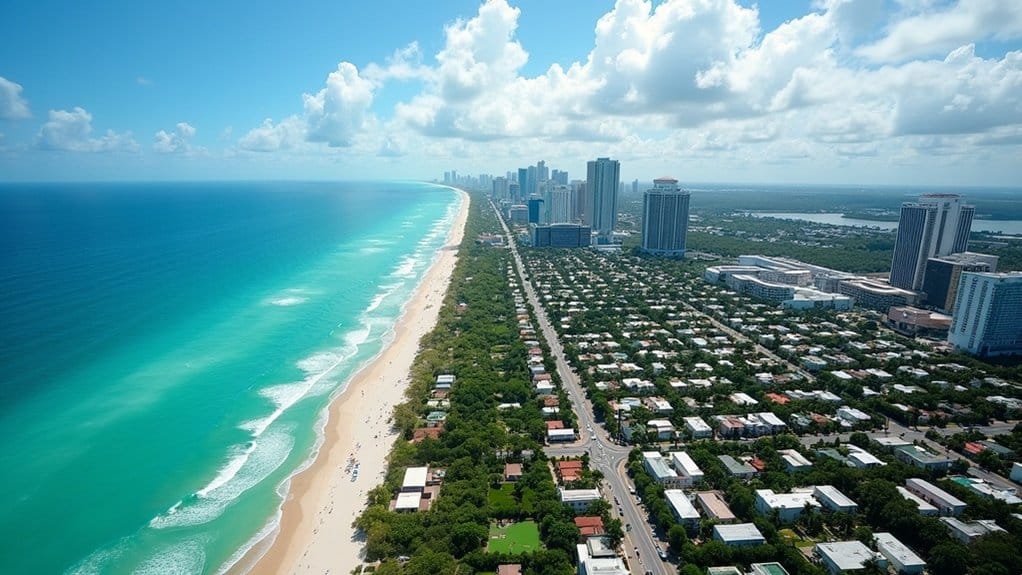
Miami-Dade County is a vibrant area that encompasses not just Miami but also 34 incorporated municipalities, each with its own ZIP code system. Understanding the ZIP codes in this diverse county can be important for residents and visitors alike.
If you’re looking for ZIP codes for Miami, it’s helpful to know the surrounding cities and their designations. For instance, Hialeah, one of the largest municipalities in the county, operates under ZIP codes 33010 through 33018. This city is known for its rich cultural heritage and bustling community.
Miami Beach, famous for its beaches and nightlife, uses ZIP codes 33109 and 33139 through 33154. These codes correspond to different areas, including the iconic South Beach.
In Coral Gables, which is known for its beautiful homes and tree-lined streets, the ZIP codes are 33134 and 33146. This area is often associated with affluence and a strong sense of community.
Further south, Homestead covers the ZIP codes 33030 to 33035. This region is characterized by its agricultural roots and proximity to natural attractions like the Everglades.
Additionally, other notable municipalities include North Miami, which has ZIP codes 33161, 33162, and 33167, Doral with ZIP codes 33122 and 33178, and South Miami, which uses ZIP code 33143.
Knowing these ZIP codes can assist in various practical matters, such as mail delivery, locating services, or understanding local demographics. Each area contributes to the unique fabric of Miami-Dade County, making it essential to recognize these distinctions when discussing the region.
Major Landmarks and Attractions Listed by ZIP Code
Understanding the ZIP codes in Miami, Florida, can greatly improve your experience of the city’s diverse neighborhoods and attractions. Each ZIP code corresponds to specific landmarks and attractions that reflect the unique character of the area. If you’re looking for the zip code for Miami, Florida, it’s essential to know what each designation brings to the table.
Here’s a breakdown of some key ZIP codes in Miami and their major attractions:
| ZIP Code | Major Landmarks and Attractions |
|---|---|
| 33139 | This area includes the Art Deco Historic District and is known for its vibrant nightlife in South Beach. |
| 33131 | Located in Brickell, this zip code is home to luxury shopping centers and high-end dining establishments, making it a hub for upscale living. |
| 33132 | In this area, you’ll find Bayfront Park and the American Airlines Arena, which hosts concerts and sporting events, attracting both locals and visitors. |
| 33127 | This zip code is famous for the Wynwood Walls, a stunning outdoor museum showcasing street art, along with numerous contemporary art galleries. |
| 33133 | Coconut Grove is characterized by its lush parks and bohemian cultural venues, offering a more relaxed atmosphere compared to the bustling city. |
These ZIP codes not only define Miami’s geographic boundaries but also highlight the city’s rich cultural landscape. By understanding what each area offers, you can direct Miami’s attractions more effectively and appreciate the diversity that makes this city unique. Whether you’re interested in art, dining, or outdoor activities, Miami’s neighborhoods have something special to offer.
How to Look Up and Verify Miami ZIP Codes
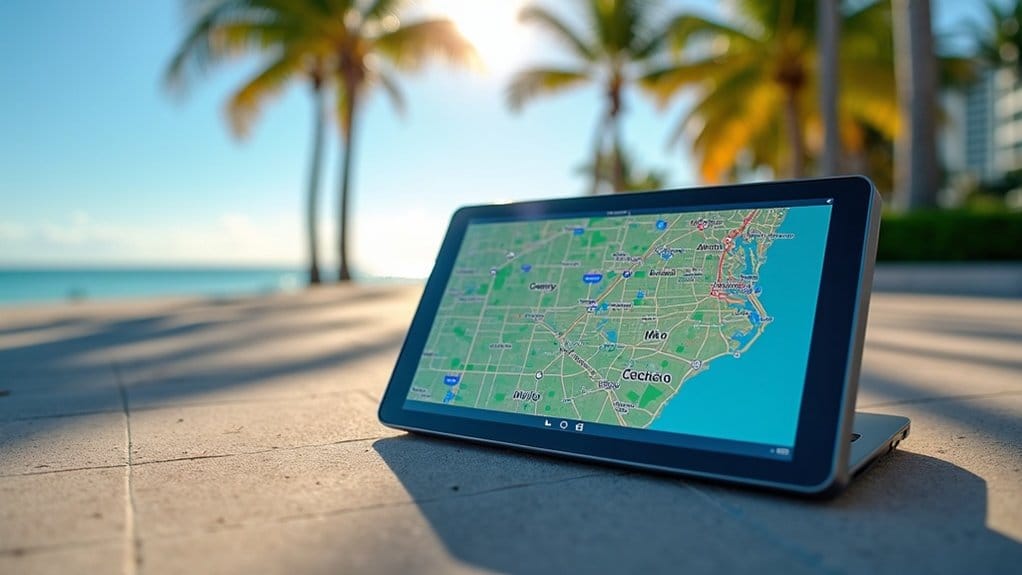
To find the correct ZIP code for a Miami address, it’s essential to use reliable verification tools that make certain accuracy for mail delivery, real estate transactions, and service inquiries. The most effective way to determine the ZIP code for Miami is by using the USPS ZIP Code Lookup tool. This official resource provides current information based on specific addresses or city parameters.
Here are some key methods to verify Miami ZIP codes:
- USPS ZIP Code Lookup Tool: This is the official database that offers confirmation for address-specific ZIP codes. It’s a straightforward way to assure you have the correct code.
- Interactive Miami ZIP Code Maps: These free tools allow you to visualize ZIP code boundaries and offer customization options. They can be particularly helpful for understanding the geographic layout of the area.
- Address Validation Services: For those involved in real estate or business operations, using professional address validation services can provide added assurance that the ZIP code is accurate.
- Local Postal Facilities: If you encounter a complex or ambiguous address situation, visiting a local postal facility can provide direct assistance. Staff members there can help clarify any uncertainties regarding ZIP codes.
Verifying the correct ZIP code among Miami’s 102 ZIP codes is crucial. It not only make sures accurate mail delivery but also affects service delivery, insurance rates, and access to reliable property information.
Demographic and Real Estate Differences Across Miami ZIP Codes
Miami consists of 102 ZIP codes, each exhibiting distinct characteristics in terms of population density, demographics, and real estate values. If you’re considering relocating or investing in Miami, it’s essential to understand these differences. For example, ZIP code 33125 has a population of 53,507, accounting for 2.68% of Miami’s overall population, while 33186 is home to 69,866 residents, making up 3.50% of the city’s population.
Educational attainment is another area where disparities are evident. In Miami, 36.39% of the population holds a bachelor’s degree or higher, but this figure can vary widely among ZIP codes.
Here’s a brief overview of some notable ZIP codes:
| ZIP Code | Key Characteristics |
|---|---|
| 33131 (Brickell) | Known for premium real estate and luxury amenities, Brickell is a hub for professionals and affluent residents. |
| 33139 (South Beach) | South Beach is a popular tourist destination with higher rental prices, attracting both visitors and new residents. |
| 33194 (Sweetwater) | Sweetwater offers more affordable housing options, making it a viable choice for families and first-time homebuyers. |
Additionally, the demographic composition of Miami is quite diverse, with the Hispanic or Latino population reaching 71.2% in areas like 33142. This cultural richness contributes to the unique characteristics of neighborhoods across the city.
Understanding these demographic and real estate trends can help you make informed decisions whether you are looking to invest in property or find a new place to call home in Miami.