
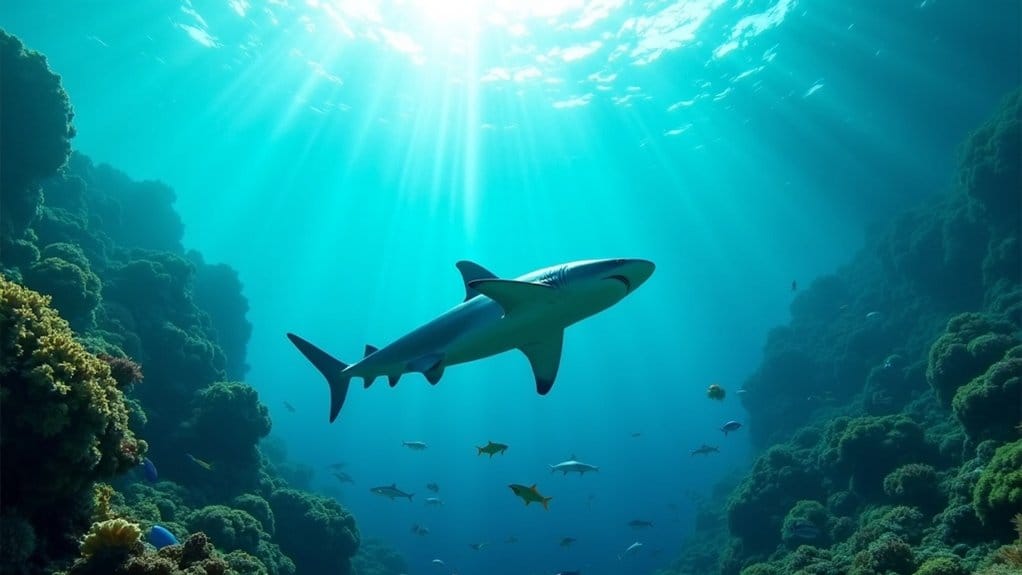
If you’re wondering about the presence of sharks in Miami, you’re not alone. Many beachgoers share the same curiosity and perhaps a hint of concern when it comes to swimming in the ocean. Understanding the local marine life is essential for enjoying your time at the beach safely. Miami’s coastal waters are home to various shark species, and knowing a bit about them can boost your beach experience. So, what should you know about sharks in this vibrant coastal city? Let’s dive into the details!
Shark Species Commonly Found in Miami Waters
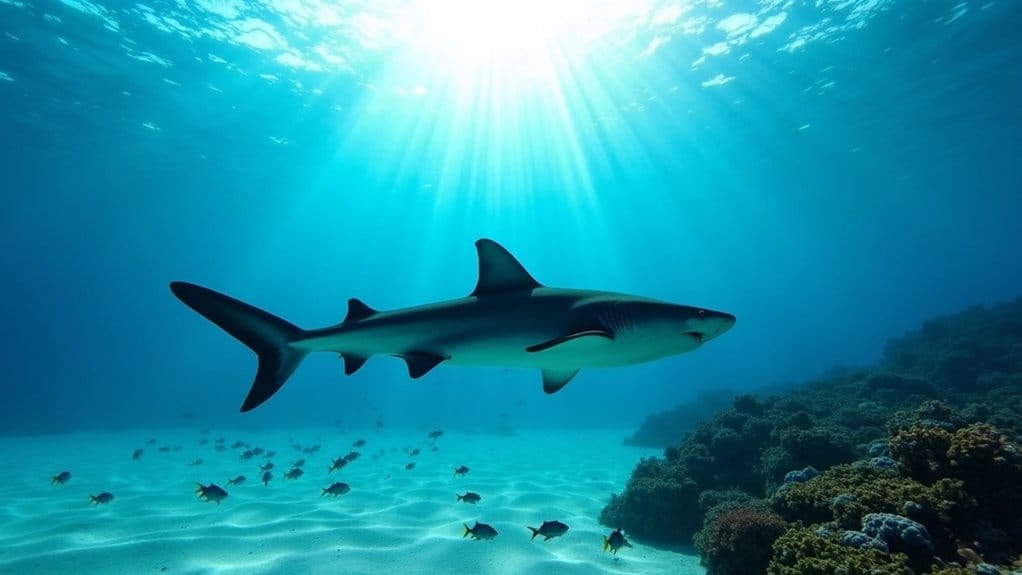
Miami’s coastal waters are home to a wide variety of shark species, making it an important area for marine biodiversity. One of the most notable species is the Bull Shark (*Carcharhinus leucas*), which plays a crucial role as an apex predator in the ecosystem. These sharks can grow up to 14 feet in length and are unique for their ability to thrive in both saltwater and freshwater environments, thanks to their euryhaline adaptation.
From January to March, Blacktip Sharks (*Carcharhinus limbatus*) are commonly found in shallow inshore areas as they migrate. This seasonal behavior highlights the dynamic nature of shark populations in Miami waters.
Other shark species that you might encounter include Hammerheads from the family Sphyrnidae, Lemon Sharks (*Negaprion brevirostris*), Dusky Sharks (*Carcharhinus obscurus*), Mako Sharks (genus *Isurus*), various Reef Sharks, and Nurse Sharks (*Ginglymostoma cirratum*).
It’s important to note that Requiem Sharks, which belong to the family Carcharhinidae and include both Bull and Blacktip sharks, are responsible for a significant portion of shark attacks in Florida—accounting for 36% of such incidents.
Understanding the behaviors and habitats of these sharks can help promote safer interactions between humans and these magnificent creatures.
As you look into Miami’s waters, being informed about the local shark species can boost your experience and encourage a greater appreciation for marine life.
Where Sharks Are Located Around Miami Beaches
Sharks are indeed present along the southeastern Florida coastline, particularly around Miami Beach, Key Biscayne, and Fort Lauderdale Beach. These areas serve as important habitats for various shark species.
If you’re wondering, “Are there sharks in Miami Beach?” the answer is yes. Research and documented encounters confirm their presence in both shallow and deeper waters.
During the months of January to March, Blacktip Sharks can be found in the shallow coastal waters, taking advantage of the migratory patterns that bring them close to shore. In contrast, Bull Sharks tend to prefer deeper offshore zones. Notably, Key Biscayne Beach and Highland Beach have seen non-fatal shark attacks, which highlights that these locations are within established shark territories.
It’s important to note, however, that the risk of encountering a shark is quite low. Between 1882 and 2021, Miami-Dade County recorded only 19 unprovoked shark attacks. This statistic underscores that while sharks are present in the waters around Miami, the likelihood of an encounter is minimal.
Understanding where sharks are located around Miami beaches can help beachgoers enjoy their time in the water while remaining informed. Always exercise caution and awareness, but rest assured that the chances of a negative encounter are very low.
Frequency of Shark Sightings and Encounters in Miami
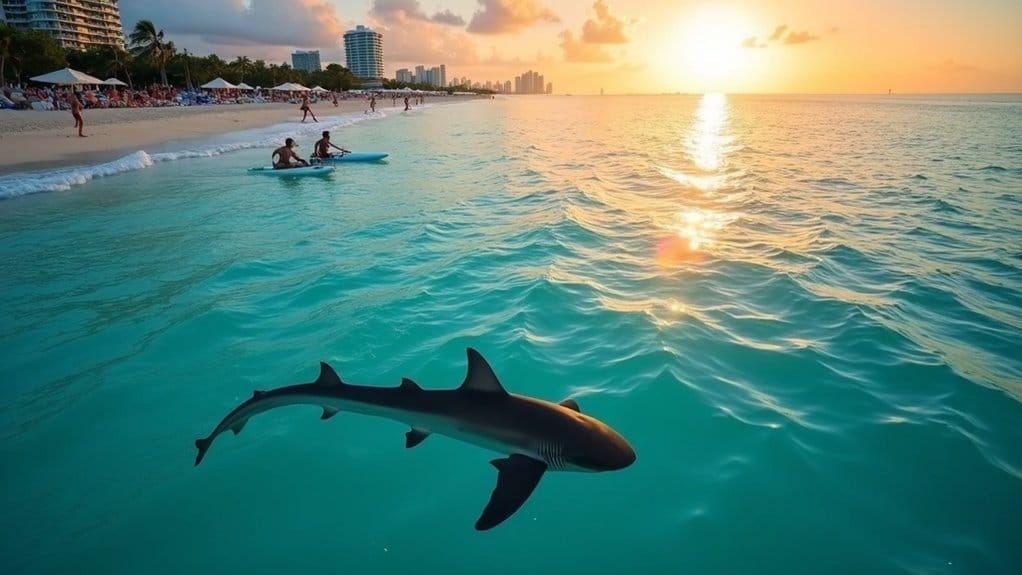
Shark encounters in Miami are relatively rare, and the statistics support this. From 1882 to 2021, Miami-Dade County reported only 19 unprovoked shark incidents. This results in a very low attack rate, indicating that while sharks are present in the waters, the likelihood of an encounter leading to an attack is minimal.
To put it into perspective, in 2023, only one of the 16 reported shark bites in Florida occurred in Miami-Dade County. This highlights that shark attacks in Miami aren’t common.
Shark activity tends to peak during the warmer months, particularly from July to October, with September seeing the highest number of unprovoked interactions. The species most frequently encountered include Blacktip and Bull Sharks, with Blacktip sharks notably migrating close to shore from January to March.
For those who enjoy swimming or engaging in water activities, there are practical strategies to help minimize risk. Swimming in groups and avoiding the water during dawn and dusk—times when sharks are most active—can significantly reduce the chances of an encounter.
Historical Shark Attack Data for Miami-Dade County
Miami-Dade County’s records show that there have been 19 unprovoked shark attacks since 1882, which averages out to about one incident every six years.
Thankfully, there haven’t been any fatalities in this 141-year period, indicating that these encounters tend to be low in severity and usually involve only minor injuries.
While the specific species involved in these attacks aren’t always documented, local data suggests that bull sharks (*Carcharhinus leucas*), blacktip sharks (*Carcharhinus limbatus*), and nurse sharks (*Ginglymostoma cirratum*) are the most common in the area.
Speaking of sharks, it’s interesting to consider how they fit into the broader ecosystem and what efforts are being made to assure both human safety and shark conservation.
Attack Frequency Since 1882
Since 1882, there have been only 19 recorded unprovoked shark attacks in Miami-Dade County, with no fatalities during this 140-year period. This data highlights that the presence of sharks in Miami Beach doesn’t pose a significant threat to beachgoers, especially when compared to areas with higher incident rates.
Here are some key insights regarding shark attacks in Miami:
- Incident Frequency: The 19 documented attacks over 140 years result in an average of just 0.14 attacks per year. This figure is quite low when considering the large number of people who visit the coast annually.
- Nature of Encounters: Importantly, all recorded shark encounters in Miami have been non-fatal. This suggests that the majority of attacks are likely investigative bites, where sharks are simply analyzing, rather than aggressive predatory behavior.
- Comparative Risk: When we compare Miami-Dade County to other regions, the risk becomes even clearer. The 19 shark attacks in Miami represent only 6% of the 315 attacks noted in Volusia County. This stark contrast positions Miami as a relatively safe area for human-shark interactions.
In summary, the statistical likelihood of encountering aggressive shark behavior in Miami-Dade County is exceedingly low.
For anyone considering a visit to Miami Beach, this information should provide reassurance about the safety of enjoying the ocean.
Fatality Rates and Severity
The safety record of shark encounters in Miami-Dade County is noteworthy, especially when considering the 140 years of documented interactions. An analysis of the potential risks associated with sharks in Miami reveals reassuring statistics. From 1882 to 2021, there were 19 unprovoked shark incidents, and remarkably, none resulted in fatalities. This is a significant finding when evaluating marine safety.
Here’s a closer look at the data:
| Metric | Miami-Dade | Comparative Risk |
|---|---|---|
| Fatal attacks (1882-2021) | 0 | Higher risk from lightning strikes |
| Injury severity | Minor | Typically superficial injuries |
| 2023 incidents | 1 out of 16 in Florida | 6.25% of state total |
This data suggests that encounters with sharks in Miami typically result in minor injuries rather than serious harm. In fact, you are statistically safer swimming in Miami’s waters compared to participating in various land-based activities. Incidents involving shark bites usually involve superficial lacerations that require little medical attention.
Species Responsible for Incidents
Understanding the presence of sharks in Miami, particularly in Miami Beach, requires looking at species-specific data related to shark incidents. Historical records over the past 140 years indicate that there have been 19 unprovoked shark incidents in Miami-Dade County. While this number is relatively low, examining broader regional patterns from the International Shark Attack File can provide useful insights.
In Florida, Requiem Sharks (Family Carcharhinidae) are significant contributors to shark incidents, accounting for 36% of documented attacks. This taxonomic group is the most prevalent in the region, highlighting the need for awareness around these species.
Among the various types of sharks, Blacktip Sharks (*Carcharhinus limbatus*) are particularly active along Miami’s coast, especially during their seasonal migrations. Their presence in the area can increase encounters with swimmers and beachgoers.
Additionally, Bull Sharks (*Carcharhinus leucas*) are noteworthy due to their adaptability to both freshwater and saltwater environments. This ability allows them to direct into shallower waters, where human activities often take place, thus raising the likelihood of interactions.
While these species have behavioral patterns that correlate with the occurrence of shark incidents in Miami-Dade, it’s important to emphasize that the probability of an attack remains statistically low.
Being informed about the types of sharks present and their behaviors can help beachgoers enjoy the water safely while also appreciating the marine life that inhabits these waters.
Safety Guidelines for Swimming and Water Activities
Swimming in Miami waters can be a wonderful experience, but it’s essential to stay informed about the presence of sharks in Miami Beach and how to minimize any potential risks. While shark attacks are statistically rare, knowing and following safety guidelines can help you enjoy your time in the water with greater peace of mind.
One of the most effective ways to reduce the likelihood of encountering a shark is to swim in groups. Sharks tend to target solitary individuals, so keeping close to others can be a simple yet effective strategy.
Additionally, timing your swims can make a significant difference. It’s best to avoid swimming during dawn and dusk, as these are peak feeding times for many shark species.
When it comes to your swimming gear, consider what you wear. Reflective accessories and bright colors can attract attention, so it’s wise to opt for more muted tones and avoid shiny items.
Also, be mindful of your surroundings. Steer clear of sandbars, thermoclines, and drop-offs where sharks might be more concentrated, especially during the peak months from July to October.
Your location plays a crucial role, too. Avoid areas near fishing operations, as the leftover bait and catch can attract sharks.
Swimming close to the shore allows for a quick exit if necessary, providing an added layer of safety.
Why Sharks Are Present in Miami Waters
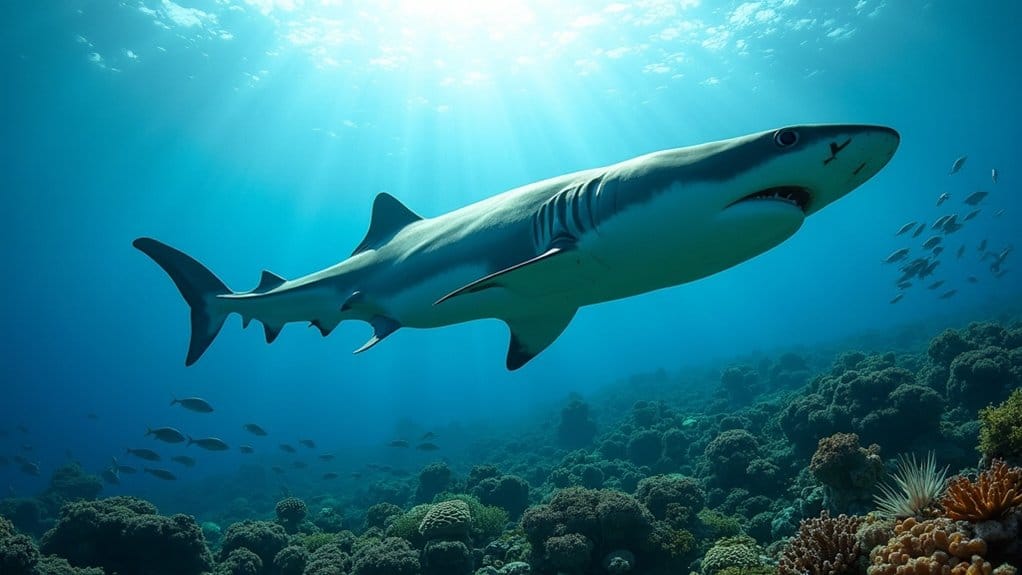
Miami’s coastal waters are a thriving habitat for various shark species, making it one of the most shark-rich marine ecosystems in the world. If you’re wondering, “Are there sharks in Miami?” the answer is a resounding yes. Here’s a closer look at why these fascinating creatures are so prevalent in the area.
- Abundant Prey Availability: The waters around Miami are rich in marine life, providing sharks with ample food sources. They feed on a variety of fish, cephalopods, and other marine organisms that flourish in these nutrient-rich waters.
- Thermal Regulation Opportunities: The warm waters of Miami, especially from July through October, create favorable conditions for thermoregulating species. Sharks are often drawn to these temperatures, which support their metabolic needs and overall health.
- Migratory Corridors: The Florida coastline is a key migratory route for many shark species. For instance, Blacktip Sharks are known to travel along these paths from January to March, following predictable migration patterns.
In addition to Blacktip Sharks, Miami’s waters are home to Bull Sharks, Hammerhead Sharks, and Nurse Sharks, which use the diverse habitats available year-round.
Understanding why sharks are present in Miami can boost your appreciation for these remarkable animals and the ecosystems they inhabit.
Seasonal Shark Activity and Migration Patterns
To understand shark presence in Miami, it’s important to look at how their activity changes throughout the seasons. Shark numbers can really vary depending on the time of year.
For instance, during the summer months from July to October, we see a noticeable increase in shark activity. This spike aligns with warmer water temperatures, typically between 28-30°C, which boosts their metabolism and leads to more prey being available.
On the other hand, the winter months from January to March are significant for species like Blacktip Sharks. During this time, they migrate along Florida’s coast in patterns that are influenced by their breeding cycles and the need for warmer waters.
This seasonal behavior not only helps us understand sharks better but also sets the stage for looking into their interactions with the local ecosystem and the impact of environmental changes.
Peak Summer Shark Months
Miami Beach is known for its beautiful coastal waters, but during the peak summer months from July to October, shark activity in these waters tends to increase. If you’re curious about whether there are sharks in Miami Beach, it’s essential to understand that the likelihood of encounters rises significantly during this time.
The warmer water temperatures create conditions that not only attract sharks but also increase the chances of human-shark interactions.
September, in particular, sees a notable spike in shark encounters. Historical data from the International Shark Attack File indicates that there have been 109 unprovoked shark attacks recorded in this month.
Several factors contribute to this trend:
- Thermal Stratification: The warmer summer waters provide ideal metabolic conditions for various shark species, making them more active.
- Increased Beachgoer Density: More people at the beach means a higher probability of interactions between humans and sharks.
- Species-Specific Behavior: Some shark species, like Bull Sharks, tend to remain in the area throughout the summer, while others, such as Blacktip Sharks, migrate away after the winter months.
During these peak months, it’s crucial to stay informed about shark activity. Understanding these biological and environmental factors can help beachgoers make safer decisions while enjoying the ocean.
Always be aware of your surroundings, follow local guidelines, and educate yourself about the marine life in the area. This approach can boost your beach experience while minimizing risk.
Winter Migration to Miami
During the winter months, particularly from January to March, Blacktip Sharks (Carcharhinus limbatus) are known to migrate along Miami’s coastline. This seasonal movement leads them to inhabit shallow nearshore areas, making them a common sight during this time.
If you’re curious about the presence of sharks in Miami Beach during winter, it’s important to note that Blacktip Sharks are indeed the primary species you might encounter.
While winter brings these migratory sharks closer to shore, overall shark activity tends to decrease compared to the summer months. This decline is largely due to cooler water temperatures, which affect the behavior and distribution of many shark species.
Although there are concentrated populations of Blacktip Sharks during their migration, shark encounters in Miami remain infrequent.
It’s also worth addressing concerns about safety. Statistical data shows that shark-human interactions are exceptionally rare, even during winter migratory periods. This means that while you may see sharks in the waters off Miami Beach, the risk they pose to beachgoers is minimal.
Temperature-Driven Shark Behavior
Water temperature is a crucial factor that influences shark behavior in Miami’s coastal waters. If you’re wondering whether there are sharks in Miami Beach, it’s important to understand how thermal dynamics affect their distribution and activity.
During the summer months, particularly from July to October, shark activity peaks. Notably, September has recorded 109 unprovoked shark incidents since 1926, highlighting the significance of this seasonal pattern.
Sharks exhibit specific behaviors in relation to temperature. For instance, Blacktip Sharks migrate to shallow coastal areas from January to March, while Bull Sharks tend to inhabit deeper waters where the temperature is more stable. As water temperatures rise, sharks also show increased metabolic activity, leading to more frequent feeding and a larger territorial range.
Different shark species have unique thermal preferences that dictate their presence in coastal areas. For example, Hammerhead and Lemon Sharks thrive within specific temperature ranges, influencing when and where they’re likely to be found.
By understanding these temperature-driven behaviors, you can appreciate that the question of whether there are sharks in Miami goes beyond mere presence. It involves recognizing how temperature affects their movements and activity levels, which in turn influences the likelihood of encounters.
This knowledge can boost your awareness and appreciation of the marine ecosystem in Miami.